How to Prune Jujube?
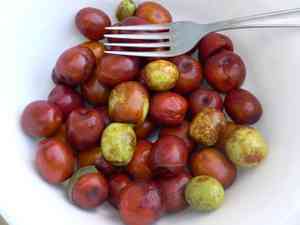
This fruit-bearing tree, which sheds its leaves and is recognized for its succulent, sugary fruits and strong resistance to arid conditions, benefits greatly from judicious trimming. Essential pruning methods encompass reducing dense branches, excising lifeless or ailing wood, and sculpting the crown to optimize light exposure and air circulation. Pruning operations ought to be carried out in the latter part of winter, prior to the emergence of new shoots. Notable advantages comprise enhanced fruit dimensions and superior quality, alongside fostering a robust structure for the jujube's prolific fruit production.
What Are the Benefits of Pruning Jujube?
What Are the Benefits of Pruning Jujube?
Trimming jujube promotes a more plentiful yield, stimulates robust development, and maintains its desired form. It ensures healthier, productive plants by eliminating dead or diseased wood and optimizing sun exposure.
What Is the Best Time for Pruning Jujube?
What Is the Best Time for Pruning Jujube?
Pruning jujube during late winter is ideal as the plant is dormant. This timing prevents the stress that pruning can cause during active growth periods, and it reduces the risk of disease and pest infestation that can occur in warmer weather. Late winter pruning also promotes vigorous spring growth and helps maintain the desired shape of the plant. Additionally, it allows gardeners to remove any dead or diseased wood, improving the overall health of jujube. Furthermore, pruning before the spring growth ensures that the plant's resources are directed toward the development of healthy new branches, flowers, and fruit.
What Tools Do I Need to Prune Jujube?
Hand Pruners
Essential for making precise cuts on young wood and thin branches of jujube. Ideal for deadheading and shaping.
Loppers
Suitable for cutting thicker branches that hand pruners cannot handle, providing leverage to prune jujube without causing strain.
Pruning Saw
Necessary for cutting through the large, mature branches of jujube that are too thick for loppers to handle effectively.
Pole Pruners
Useful for reaching higher branches without the need for a ladder, making the pruning process safer and more efficient on jujube.
Hedge Shears
Appropriate for shaping the outer foliage of jujube if it is being grown as a hedge or for formal appearance.
How to Prune Jujube
Step1: Optimal Pruning Season
Identify the best time to prune jujube, which is late winter or early spring before the new growth starts. This timing helps the plant heal quickly without stress.
Step2: Tool Sterilization
Sanitize your pruning tools before use to prevent the spread of disease. Use a solution of 1 part bleach to 9 parts water or rubbing alcohol to sterilize the blades.
Step3: Identifying Dead Wood
Inspect jujube for dead wood, which is typically dry, brittle, and lacking leaves or buds. Dead wood will appear gray or black, while healthy wood will be a lighter color.
Step4: Clean Cutting Technique
Make clean cuts when removing dead wood. Use sharp shears to cut at a 45-degree angle, about 1/4 inch above a live bud or branching point, allowing water to run off the cut surface.
Step5: Spotting Diseased Wood
Identify diseased wood by looking for any signs of fungal growth, unusual coloration, or cankers. Separate it from the dead and healthy wood. Diseased areas should be pruned back to healthy tissue.
Step6: Removing Diseased Branches
Cut out the diseased wood cleanly, and ensure not to leave any stubs that could lead to further infection or disease spread. Dispose of diseased wood responsibly, away from the garden and compost to avoid contamination.
Step7: Assessing Broken Branches
Locate broken branches, which can be jagged or hanging, and assess their size and location for appropriate removal. Clean cuts will help jujube heal properly.
Step8: Pruning Broken Branches
Prune broken branches back to the nearest well-placed branch or bud that faces the desired direction of growth, making the cut smooth and angled to shed water.
Step9: Shaping After Pruning
After pruning dead, diseased, or broken wood, step back and check the overall shape of jujube. Make any additional light cuts for balance and symmetry.
Step10: Post-Pruning Cleanup
Clean up all the pruned material from around jujube to maintain a tidy area and prevent potential pests and diseases from settling.
Step11: Applying Wound Dressing
Apply wound dressing or tree paint to large cuts on jujube to protect the exposed tissue from pests and diseases until it callouses over naturally.
Step12: Monitoring Plant Recovery
Monitor jujube after pruning for signs of new growth, which indicates that the plant is healing properly. Ensure that jujube gets sufficient water and care to support recovery.
Post-Pruning Care for Jujube
Post-Pruning Care for Jujube
Immediately after pruning jujube, ensure clean cuts to aid in swift recovery. Maintain moderate surroundings with indirect sunlight, avoiding temperature extremes. Consistent, not saturated, soil moisture is vital, and slightly increased humidity can assist healing. A balanced, slow-release fertilizer aids in vigorous regrowth. Monitor jujube for undue wilt, discoloration, or oozing sap, which may indicate stress or infection. Act promptly with appropriate fungicide or pest control measures if signs appear.
Common Pruning Mistakes with Jujube
Over-pruning in a Single Session
Cutting too much growth at once which can stress jujube and impede proper development.
Utilizing Dull or Contaminated Tools
Using dull or dirty pruning tools, which can damage branches and introduce disease to jujube.
Ignorance of Plant Growth Patterns
Pruning without understanding the growth pattern of jujube, potentially removing the parts of the plant that would produce fruit.
Leaving Harmful Stubs Behind
Leaving stubs after cuts that could lead to pest invasions and diseases in jujube.
Disregarding Plant's Natural Form
Pruning indiscriminately without considering the natural shape and structure of jujube, leading to poorly distributed growth.
Common Pruning Tips for Jujube
Use Clean, Sharp Tools for Healthy Cuts
Use clean, sharp pruning shears to make clean cuts that help jujube heal faster and reduce the risk of disease.
Remove Dead or Diseased Wood First
Focus on removing any dead or diseased wood to prevent the spread of decay and promote healthy growth in jujube.
Thin for Light and Air Circulation
Thin out dense areas to ensure adequate light penetration and air circulation, which are vital for jujube's fruit production and overall health.
Angle Cuts for Directed Growth
Cut at a slight angle, away from the bud, to encourage the growth direction you want for jujube.
Maintain Structure with Selective Pruning
Retain the structural integrity of jujube by identifying the primary branches and maintaining them while pruning secondary branches that may crowd the center.



