How to Prune Texas wild rice?
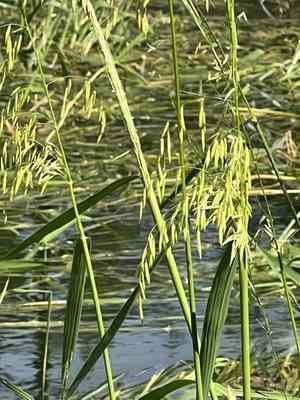
A perennial aquatic grass native to Texan waterways, texas wild rice flourishes in shallow, moving currents. To ensure robust development and reproduction, trim away any dead or compromised leaves in early spring, prior to the emergence of new shoots, or during winter when the plant is inactive. Performing this trimming during these specific times reduces strain on texas wild rice, encouraging strong regeneration and averting the risk of disease infiltration through incisions. Always employ sanitized, keen implements to execute accurate cuts, thereby bolstering the plant's inherent capacity for rapid recuperation post-trimming.
What Are the Benefits of Pruning Texas Wild Rice?
What Are the Benefits of Pruning Texas Wild Rice?
Trimming texas wild rice promotes robust development and helps maintain its form, aiding in the preservation of this uncommon species by preventing excessive growth that could impede its ability to flourish in its native environment.
What Is the Best Time for Pruning Texas Wild Rice?
What Is the Best Time for Pruning Texas Wild Rice?
Pruning of texas wild rice in early spring is optimal as it aligns with the conclusion of its dormant phase and just prior to the emergence of new growth. This timing allows for the removal of any winter cold damage and provides the plant with a fresh start for the upcoming growing season. Winter pruning, specifically late winter, is also advantageous for texas wild rice. It permits the removal of dead or damaged material during a period when the plant is inactive and less vulnerable to stress or disease transmission. Furthermore, pruning during dormancy can minimize the impact on flowering and seeding, as it occurs before texas wild rice enters its active growth stage. Both early spring and winter pruning contribute to shaping texas wild rice, fostering vigorous growth, and sustaining the plant's health without disrupting its natural life cycle.
What Tools Do I Need to Prune Texas Wild Rice?
Sharp Scissors or Garden Clippers
For precise cutting of foliage and seed heads without causing undue harm to texas wild rice, sharp scissors or hand clippers are perfect. These instruments can navigate through the dense grass-like leaves, providing clean cuts to encourage healthy regrowth.
Long-Handled Pruners
Texas wild rice can attain considerable heights, and to trim taller stems without entering the water where texas wild rice is frequently found, long-handled pruners offer extended reach and leverage.
Shears
If texas wild rice is growing in a larger cluster, shears can be useful for trimming the edges and shaping the plant. They provide a quick and efficient method to prune multiple stems simultaneously.
Pruning Saw
In the event of thicker stems that might occasionally appear on texas wild rice, a small pruning saw enables the removal of these stems without harming the surrounding growth.
Gloves
To safeguard your hands from sharp edges of the foliage and potential irritants or wildlife in the habitat where texas wild rice thrives, wearing durable gloves is advisable during pruning.
How to Prune Texas Wild Rice
Prepare Tools
Assemble all necessary trimming tools, such as sharp, clean scissors or shears, to ensure a precise cut and to prevent the spread of disease to texas wild rice.
Identify
Examine texas wild rice carefully to pinpoint diseased and withered leaves. Look for foliage that exhibits unusual spots, discoloration, or is visibly dried out and lacks vitality.
Cut Diseased Leaves
Using the prepared scissors or shears, carefully snip off the diseased leaves at their base, ensuring not to tear or damage the adjacent healthy tissues of texas wild rice.
Cut Withered Leaves
Remove withered leaves by cutting them as close to the base as possible without injuring the stems or any nearby new growth on texas wild rice.
Clean Up
Collect all removed foliage and dispose of it away from texas wild rice to minimize the risk of disease transmission. Clean the tools thoroughly after finishing to prevent cross-contamination.
Common Pruning Mistakes with Texas Wild Rice
Overpruning
Removing too much foliage from texas wild rice can stress the plant, diminish its vigor, and potentially lead to death, as it is a rare and delicate species.
Imprecise Cuts
Making jagged or torn cuts can damage texas wild rice's stems, leading to disease or pest infestation. Always use sharp, clean shears.
Removing Productive Stems
Cutting stems that are healthy and productive can reduce the growth and propagation potential of texas wild rice.
Ignoring Plant Structure
Not considering the natural growth habit and structure of texas wild rice when pruning can result in an unbalanced and weakened plant.
Pruning Without Reason
Trimming texas wild rice without a specific objective, such as to remove dead or diseased foliage, can be detrimental to the plant's health.
Common Pruning Tips for Texas Wild Rice
Sanitation
Before and after pruning texas wild rice, sterilize your pruning tools with a 10% bleach solution or alcohol to prevent the spread of disease.
Selective Trimming
Focus on thinning out crowded areas to enhance air circulation and light penetration, which is crucial for the health of texas wild rice.
Disease Management
Remove and discard any yellowed or diseased leaves promptly to prevent the spread of illness in texas wild rice.
Maintenance Pruning
Gently trim texas wild rice to maintain its shape and encourage fuller growth without significantly altering its natural appearance.
Careful Handling
Handle texas wild rice with care during pruning, as it is an endangered species with a fragile ecosystem, making it crucial to preserve every individual.



