How to Prune Zinnia peruviana?
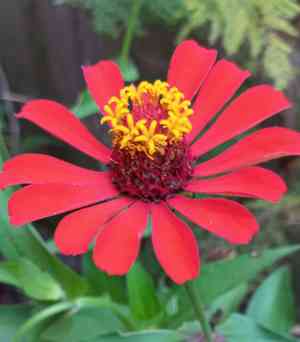
A popular decorative choice, peruvian zinnia is recognized for its vivid blossoms and hardiness. Deadhead faded flowers consistently to stimulate branching and increased flowering. Trim elongated stalks in spring to foster a denser growth habit. Minor shaping in summer can preserve its form; more substantial trimming is ideally performed in autumn to ready the plant for the colder months, preventing damage during active development. Trimming improves air movement, lowers the chance of illness, and revitalizes peruvian zinnia's look for those desiring a vigorous floral presentation.
What Are the Benefits of Pruning Peruvian Zinnia?
What Are the Benefits of Pruning Peruvian Zinnia?
Trimming peruvian zinnia promotes robust development and helps maintain its desired form, which is crucial for visual appeal and the plant's overall well-being.
What Is the Best Time for Pruning Peruvian Zinnia?
What Is the Best Time for Pruning Peruvian Zinnia?
Pruning peruvian zinnia in Spring coincides with the plant's awakening from dormancy, allowing for shaping and removal of dead or damaged parts before the active growth phase. Early Summer is suitable for trimming peruvian zinnia as it encourages strong growth and more blossoms. Late Fall is also an ideal time as it helps prepare peruvian zinnia for winter by removing faded flowers and preventing diseases.
What Tools Do I Need to Prune Peruvian Zinnia?
Bypass Pruners
Perfect for making clean cuts on green stems and small branches of peruvian zinnia, minimizing harm to plant tissues.
Gloves
Hand protection for the gardener during pruning to prevent thorns or rough stems of peruvian zinnia from causing irritation or injury.
Disinfectant
Used to sanitize pruning tools before and after use to stop the spread of disease among peruvian zinnia plants.
Garden Snips
Useful for precise trimming and deadheading of peruvian zinnia's delicate flowers and foliage without causing undue stress to the plant.
How to Prune Peruvian Zinnia
Disinfect Tools
Before beginning the pruning process, sanitize the pruning shears with isopropyl alcohol or a bleach solution to prevent the spread of disease to peruvian zinnia.
Identify
Carefully examine peruvian zinnia for dried-up leaves. These are typically dry, brown, and may be curling at the edges.
Cut Withered Leaves
Using the sanitized shears, cleanly cut the withered leaves at their base where they connect to the stem or branch. Avoid tearing or ripping the leaves, as clean cuts heal more effectively.
Dispose
Remove the pruned withered leaves from the area around peruvian zinnia to reduce the risk of disease and pest infestation.
Inspect Plant
After pruning, examine peruvian zinnia to ensure there are no remaining dead or diseased leaves, which could hinder the plant's growth or lead to further disease.
Common Pruning Mistakes with Peruvian Zinnia
Overpruning
Trimming too much can weaken peruvian zinnia, reducing its ability to thrive. Prune no more than one-third of the plant at a time.
Blunt Tools
Using dull blades can cause tearing, which may lead to disease and pest issues. Always use sharp, clean pruning shears.
Improper Cuts
Incorrect cutting angles may harm peruvian zinnia by preventing adequate water runoff, potentially leading to rot or disease.
Neglecting Deadheading
Failing to remove spent flowers can limit new blooms and lead to a less vibrant peruvian zinnia.
Ignoring Disease Prevention
Not disinfecting tools between cuts, especially when dealing with diseased plants, can spread pathogens throughout peruvian zinnia.
Pruning Healthy Blooms
Cutting back healthy flowers instead of just the faded or dead ones can decrease the overall flowering of peruvian zinnia.
Rough Handling
Being too aggressive when removing stems and leaves may damage peruvian zinnia's main structure or root system.
Common Pruning Tips for Peruvian Zinnia
Selective Pruning
Carefully choose which stems and leaves to remove, focusing on overgrown, damaged, or diseased parts to maintain peruvian zinnia's shape and health.
Angled Cuts
Make clean, angled cuts just above a leaf node or bud to ensure proper healing and prevent water accumulation.
Regular Deadheading
Regularly remove spent blooms to stimulate new growth and promote a longer blooming period for peruvian zinnia.
Sterilize Tools
Before and after pruning peruvian zinnia, clean the pruning shears with alcohol or a 10% bleach solution to prevent disease spread.
Prune For Airflow
Thin out crowded areas of peruvian zinnia to improve airflow, which will help reduce the risk of fungal infections.
Encourage Bushiness
Pinch back the tips of young peruvian zinnia plants to encourage a bushier growth habit and more flowers.
Monitor Plant Response
Observe how peruvian zinnia responds to pruning to better understand its growth patterns, which will guide future pruning decisions.



