How to Prune Narrow leaf zinnia?
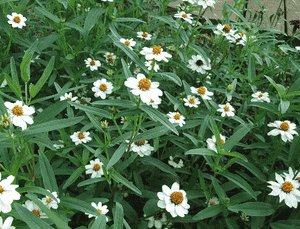
This lively annual, cherished for its brightly hued, daisy-shaped flowers, flourishes in abundant sunlight and soil that drains effectively. For narrow leaf zinnia, removing spent blossoms stimulates additional flowering and deters self-seeding, whereas pinching back fosters a denser plant structure. The ideal period for trimming extends from early spring to late autumn, aligning with its vigorous growth phase. Consistent trimming can also avert powdery mildew by enhancing air movement around the leaves. Always employ sanitized, keen implements to guarantee accurate incisions and lessen strain on narrow leaf zinnia.
What Are the Benefits of Pruning Narrow Leaf Zinnia?
What Are the Benefits of Pruning Narrow Leaf Zinnia?
Trimming narrow leaf zinnia promotes robust development and maintains its desired form. By cutting back strategically, gardeners can foster a denser appearance, enhance its visual appeal, and ensure the plant directs energy into producing abundant flowers.
What Is the Best Time for Pruning Narrow Leaf Zinnia?
What Is the Best Time for Pruning Narrow Leaf Zinnia?
Pruning narrow leaf zinnia in early spring stimulates vigorous new growth and optimizes the plant's energy for flower production during its active season. Trimming in late autumn helps remove faded blooms and can prevent unwanted self-seeding, as well as prepare narrow leaf zinnia for winter by eliminating any diseased or dead foliage that might harbor pests or pathogens. This timing aligns with narrow leaf zinnia's natural cycle, allowing gardeners to shape the plant and encourage denser growth for a more attractive display.
What Tools Do I Need to Prune Narrow Leaf Zinnia?
Handheld Pruning Shears
For routine upkeep and deadheading of narrow leaf zinnia, handheld pruning shears are perfect. They offer precision and are easy to handle, ensuring clean cuts that encourage healthy regrowth.
Bypass Pruners
Bypass pruners are effective for narrow leaf zinnia due to their sharp, curved blades that create clean cuts without crushing stems, preserving plant vitality.
Gloves
Though not a tool, gloves are crucial when pruning narrow leaf zinnia to shield hands from thorns or irritating sap.
Garden Scissors
For more precise control when thinning or shaping narrow leaf zinnia, garden scissors can be more practical than larger shears. They allow for selective trimming of delicate stems.
Disinfectant
Applying a disinfectant to pruning tools before and after working on narrow leaf zinnia prevents the spread of diseases between plants.
Waste Container
Having a container nearby for collecting discarded stems and foliage helps keep the area around narrow leaf zinnia tidy and reduces disease risk.
How to Prune Narrow Leaf Zinnia
Step1: Examine Plant for Pruning Candidates
Inspect narrow leaf zinnia for spent flowers, weak stems, and diseased foliage that require removal. Perform this inspection in the morning when the plant is dry to minimize disease transmission.
Step2: Disinfect and Use Sharp Shears for Cuts
Utilize clean, sharp pruning shears to make precise cuts. Sanitize your shears before and after pruning to prevent the spread of plant diseases.
Step3: Deadhead Spent Flowers to Boost Blooming
To remove faded flowers, also known as deadheading, snip the flower stem just above the first set of leaves below the spent bloom to encourage continuous flowering and prevent seed development.
Step4: Trim Weak Stems for Plant Energy Efficiency
Identify weak stems that are thinner and less vigorous than others. Cut them back to the plant's base to redirect energy to the stronger, healthier stems.
Step5: Remove Diseased Foliage to Prevent Spread
Carefully remove any diseased foliage by cutting the affected leaves at their junction with the stem. Ensure these are removed from the garden to prevent further infection.
Step6: Shape Plant Post-Pruning for Aesthetics
After pruning, shape narrow leaf zinnia by selectively trimming stems to maintain an even and visually appealing form. Avoid excessive cutting back as this can stress the plant.
Step7: Monitor Plant Health and Prune as Necessary
Monitor narrow leaf zinnia after pruning for signs of new growth or further disease and pests. Regularly check and prune as needed throughout the blooming season.
Post-Pruning Care for Narrow Leaf Zinnia
Post-Pruning Care for Narrow Leaf Zinnia
Immediately after pruning narrow leaf zinnia, ensure it's adequately watered to alleviate stress. Position narrow leaf zinnia in ample light, maintaining moderate humidity and temperature to encourage growth. Apply a balanced fertilizer to provide essential nutrients aiding recovery. Regularly inspect narrow leaf zinnia for signs of stress, including wilting or discoloration, and for infection indicators, such as unusual spots or decay. At such signs, adjust care and if needed, consult a plant health expert.
Common Pruning Mistakes with Narrow Leaf Zinnia
Excessive Pruning Reduces Blooms and Density
Over-pruning, which can result in fewer blooms and a sparser-looking narrow leaf zinnia. It's crucial to prune judiciously to maintain plant health.
Unclean Tools Can Spread Plant Diseases
Failing to sanitize pruning tools before use, which can spread disease to narrow leaf zinnia or between other plants in your garden.
Improper Assessment Leads to Uneven Plant Growth
Pruning without evaluating the plant's shape and health leads to uneven growth patterns and potential damage to narrow leaf zinnia.
Not Removing Dead Matter Invites Disease
Ignoring dead or diseased stems and foliage that should be removed to promote healthier growth and reduce the risk of disease spreading in narrow leaf zinnia.
Too-Close Cuts Harm Plant's Healing Ability
Cutting stems too close to the main stem or node, which can injure the plant and compromise narrow leaf zinnia's healing process.
Common Pruning Tips for Narrow Leaf Zinnia
Clean, Sharp Cuts for Healthy Pruning
Always use clean, sharp pruners to make precise cuts on narrow leaf zinnia, which helps prevent disease and encourages quicker healing.
Deadhead Above Leaves for More Blooms
When deadheading, cut back the spent flowers to just above a set of leaves to encourage new blooms and prevent seed formation in narrow leaf zinnia.
Pinch Tips For Bushier Plant Growth
To promote denser growth and more flowers, pinch back the tips of young narrow leaf zinnia plants by removing the top few inches of growth early in the season.
Thinning Enhances Airflow and Light Exposure
Thin out congested growth by removing some stems from the base to improve air circulation and light penetration, which will benefit narrow leaf zinnia's overall health.
Selective 45-Degree Cuts Stimulate Growth
Prune selectively by cutting stems back to just above a leaf node at a 45-degree angle, which will promote healthy new growth in narrow leaf zinnia.
Cleanup to Prevent Pests and Diseases
After pruning, clean up all clippings and fallen debris around narrow leaf zinnia to discourage pests and diseases that thrive in decaying plant material.



