How to Prune Zingiber officinale?
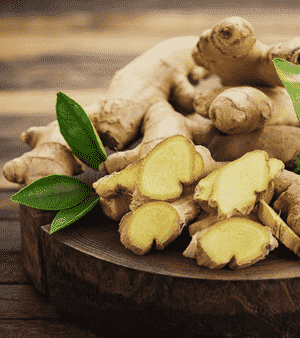
Ginger, grown for its underground stems, is usually trimmed to stimulate robust development and enhance airflow. Eliminate deceased or ailing stalks, faded blossoms, and reduce crowded foliage from early spring through late summer. This period coincides with ginger's peak growth, boosting productivity and overall plant well-being. Always employ sanitized, sharp implements to lessen trauma and the chance of illness. Trimming not only sustains the preferred plant dimensions but also fosters a more abundant yield.
What Are the Benefits of Pruning Ginger?
What Are the Benefits of Pruning Ginger?
Trimming ginger promotes robust development by eliminating aged stems, which can become unproductive over time. It also aids in maintaining the desired form, ensuring the plant stays compact and manageable within its allocated space.
What Is the Best Time for Pruning Ginger?
What Is the Best Time for Pruning Ginger?
Pruning ginger in early spring facilitates the removal of old growth before the active growing season begins, ensuring the plant's energy is directed toward producing new, healthy shoots. Trimming in late summer allows gardeners to shape the plant and remove any growth that didn't thrive during the peak season, helping to maintain plant health and vigor without disrupting the growth cycle or the plant's potential flowering period.
What Tools Do I Need to Prune Ginger?
Sharp Bypass Pruners
Perfect for making precise cuts without crushing ginger stems, which helps prevent disease.
Garden Scissors
Useful for trimming small and thin stems that don't require the force of pruners, allowing for accurate control during ginger grooming.
Hand Shears
Suitable for shaping and controlling ginger size by cutting through multiple stems at once, ensuring quick and efficient upkeep.
Pruning Saw
Handy for cutting through thicker, woodier parts of mature ginger plants that are too large for pruners or shears.
How to Prune Ginger
Step1: Assessment of Plant Maturity and Condition
Evaluate ginger before beginning pruning. Ensure the plant is sufficiently mature, as young plants don't require trimming. Look for old rhizomes, yellow leaves, and withered stems, which are the parts to be pruned.
Step2: Pruning Tool Preparation and Disinfection
Prepare clean, sharp pruning shears or a knife. Sanitize the tools before use to prevent disease spread to ginger.
Step3: Yellow Leaf Removal
Start pruning by addressing yellow leaves. Gently pull away any loose leaves by hand. For those firmly attached, use shears to make a clean cut at the base of the yellow leaf, where it meets the stem.
Step4: Withered Stem Trimming
Identify withered stems on ginger. These stems are often dry and may be brown. Cut the withered stems at the base using your pruners. Make the cut just above where healthy tissue begins, ensuring not to damage any healthy stems or leaves nearby.
Step5: Old Rhizome Pruning
Prune old rhizomes of ginger that have already produced shoots and appear exhausted. Carefully dig around the rhizome you intend to prune to avoid damaging nearby roots. Use the knife to sever the old rhizome from the main plant. Ensure a clean cut and avoid jagged edges, which could make ginger susceptible to disease.
Step6: Continuous Tool Cleaning
After each cut, clean the pruning shears or knife to prevent the potential spread of disease between different parts of ginger.
Step7: Pruned Material Disposal
Dispose of the pruned material away from ginger to prevent pest attraction or disease spread.
Step8: Post-Pruning Watering
Water ginger adequately after pruning to help it recover from the stress of trimming. Ensure the soil is well-draining to prevent root rot.
Step9: Growth Monitoring and Care Adjustment
Monitor ginger over the following weeks for signs of new growth, which can indicate successful pruning. Adjust care and watering as needed to maintain healthy growth.
Post-Pruning Care for Ginger
Post-Pruning Care for Ginger
Immediately after pruning ginger, sterile water should be applied to cut surfaces to prevent infection. Optimal recovery requires a warm, humid environment with indirect sunlight. Adjust temperatures to 75-85°F and maintain high humidity. Fertilize with a balanced liquid fertilizer to encourage growth. Regularly inspect ginger for signs of stress, such as wilting or discoloration, and treat promptly with fungicides if infection indicators, like mold or unusual spots, appear.
Common Pruning Mistakes with Ginger
Over-Pruning
Trimming too much at once, which can stress ginger and reduce its vigor.
Damaging Main Rhizomes
Cutting into the main rhizomes unnecessarily, which can harm the plant's health and productivity.
Using Dull or Dirty Tools
Employing dull or unclean pruning tools, which can cause jagged cuts and introduce diseases to ginger.
Removing Healthy Leaves
Eliminating green and healthy leaves, which are crucial for photosynthesis and overall ginger growth.
Ignoring Growth Cycle
Pruning without understanding ginger's natural growth cycle, potentially removing buds that would produce new shoots.
Common Pruning Tips for Ginger
Clean, Sharp Cuts
Use sharp, clean pruning shears to make precise cuts and prevent disease transmission in ginger.
Remove Only Unhealthy Growths
Focus on removing dead, dying, or yellow leaves and spent flower stalks to direct energy towards new growth.
Enhancing Air and Light Flow
Trim off any shoots that appear too crowded, to enhance air circulation and light penetration for ginger.
Careful Base Cutting
Cut close to the base of the stems being removed, but be careful not to damage the main rhizomes of ginger.
Recycle Nutrients with Compost
Compost the removed plant material to recycle nutrients back into the soil, benefiting ginger's subsequent growth.



