How to Prune Rain lily?
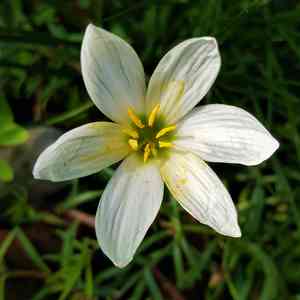
Originating from South America, this enduring bulb showcases slender, grass-like leaves and blossoms resembling trumpets. For rain lily, trimming requirements are slight, primarily involving the elimination of faded flowers and discolored foliage to stimulate fresh development. The most suitable time for pruning extends from spring to autumn, coinciding with periods of active development. Prompt removal of spent flowers stops seed production, redirecting vitality towards the bulb's well-being, which is crucial for robust flowering in future years. It is important to disinfect pruning implements to avoid spreading pathogens.
Advantages of Trimming Rain Lily
Advantages of Trimming Rain Lily
Trimming rain lily promotes robust development and encourages a greater abundance of blossoms. Consistently removing faded flowers and cutting back excessive growth helps manage the plant's size and form, ensuring rain lily stays attractive and thriving.
Optimal Pruning Period for Rain Lily
Optimal Pruning Period for Rain Lily
Pruning rain lily in late spring allows for the removal of any winter frost damage and stimulates a burst of new growth. Early summer is appropriate as it follows the plant's spring bloom cycle, preventing bloom disruption while supporting vigorous summer development. Early fall timing is ideal for shaping and removing spent flowers, which can improve the plant's health and look without jeopardizing its ability to form new buds for the next season. These timings ensure plant vitality and flowering potential are maintained, aiding rain lily's natural growth cycle without stressing the plant before its winter dormancy.
Essential Tools for Pruning Rain Lily
Bypass Pruners
Perfect for making clean cuts on rain lily, bypass pruners inflict less harm on the plant's delicate stems.
Gardening Scissors
These provide precision when removing faded blooms or shaping rain lily, ensuring minimal damage to the plant.
Gloves
Gardening gloves protect hands while handling rain lily and offer a better grip on tools.
Cleaning Solution
A solution to sanitize tools after pruning rain lily to prevent disease spread among plants.
Waste Container
To neatly collect and dispose of clippings from rain lily after pruning.
Steps to Prune Rain Lily
Sanitize Tools
Before pruning rain lily, sterilize all pruning implements using a bleach or alcohol solution to prevent disease transmission.
Remove Diseased Leaves
Carefully inspect rain lily for any diseased foliage and use sharp, clean scissors to cut them at the base where they meet the stem, avoiding damage to healthy parts.
Trim Withered Leaves
Identify withered leaves on rain lily and snip them cleanly at their base, which encourages healthy new growth.
Deadhead Flowers
For faded flowers on rain lily, deadhead by clipping the stem below the spent bloom, above the first set of healthy leaves, to promote further flowering.
Disposal
Dispose of all pruned material away from rain lily to minimize disease and pest risk, preferably by burning or bagging and removing from the site.
Common Pruning Errors with Rain Lily
Excessive Pruning
Avoid cutting back rain lily too severely, as this can stress the plant and reduce its flowering capacity. Rain lily primarily requires the removal of spent flowers and yellowing leaves rather than extensive cutting.
Incorrect Technique
Using dull or dirty tools can harm rain lily by creating jagged cuts prone to infection. Always use clean, sharp pruning shears for clean cuts.
Removing Green Leaves
Do not remove the green, healthy foliage of rain lily. These leaves are vital for photosynthesis and maintaining the bulb's health, especially after flowering.
Pruning For Shape
Attempting to shape rain lily through pruning is unnecessary and can be detrimental. Rain lily naturally forms pleasing clumps and typically does not require shaping cuts.
General Pruning Advice for Rain Lily
Spent Flower Removal
Regularly deadhead faded flowers on rain lily to encourage subsequent blooming and prevent seed formation, which can divert energy from the bulb.
Yellow Leaf Removal
When rain lily's foliage turns yellow and begins to wither, remove it at the base to keep the plant tidy and redirect energy to the bulb.
Post-Blooming Care
After rain lily has flowered, allow the leaves to remain in place without pruning them. They will continue to gather sunlight and strengthen the bulb for the next flowering cycle.
Tool Maintenance
Maintain clean and sharp tools when pruning rain lily to ensure cuts are clean and minimize the risk of disease transmission between plants.



