How to Prune Caucasian elm?
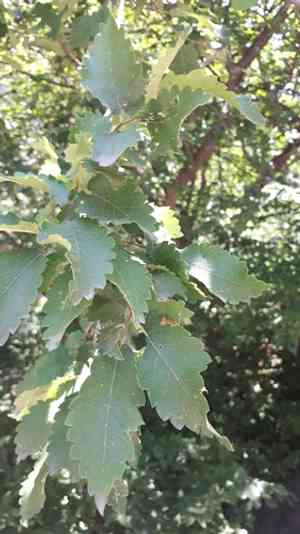
The Caucasian elm, a deciduous tree recognized for its graceful form and vivid leaves, thrives with trimming performed in late winter or early spring to encourage robust development. Essential methods involve eliminating deceased or frail limbs to enhance its framework and allow more light. Reducing the density of the canopy improves air circulation, lowering the chance of illness. Prompt trimming also preserves its visual charm and averts potential harm from excessive growth. Consistent, deliberate cuts guarantee strong growth and uphold the tree's well-being.
What Are the Benefits of Pruning Caucasian Elm?
What Are the Benefits of Pruning Caucasian Elm?
Trimming caucasian elm encourages robust development and maintains its desired form. Strategic cutting promotes denser foliage and facilitates a structured shape, vital for its aesthetic appeal and overall well-being.
What Is the Best Time for Pruning Caucasian Elm?
What Is the Best Time for Pruning Caucasian Elm?
Pruning caucasian elm in late winter or early spring is considered ideal, as it aligns with the end of dormancy but precedes new growth. This timing minimizes plant stress, allowing quicker healing and efficient energy redirection towards spring growth. Additionally, pruning then reduces disease risk, as many pathogens are less active in colder weather. This method also helps maintain plant health and structure by removing damaged or diseased branches before they impact new growth.
What Tools Do I Need to Prune Caucasian Elm?
Hand pruners
Perfect for making clean cuts on smaller branches of caucasian elm, typically those under 1/2 inch in diameter. This tool helps maintain the plant's health by ensuring precise cuts that heal quickly.
Loppers
Suitable for cutting branches between 1/2 inch and 2 inches in diameter. Loppers provide the necessary leverage to prune thicker branches of caucasian elm, which is crucial for shaping and controlling the size of the plant.
Pruning saw
Recommended for cutting branches over 2 inches in diameter. The saw allows for removing larger limbs that hand pruners and loppers cannot handle, essential for the structural pruning of caucasian elm.
Pole pruner
Useful for reaching higher branches without the need for a ladder. Given the tree-like growth of caucasian elm, a pole pruner is crucial for maintaining the upper parts of the plant, ensuring a uniform shape and healthy canopy.
How to Prune Caucasian Elm
Identify
Locate all dead and diseased branches on caucasian elm. These will appear dry, brittle, or discolored if dead, and may show growths, unusual coloration, or be broken if diseased.
Clean tools
Before pruning, clean and sterilize your pruning tools. This prevents disease spread and ensures a clean cut, promoting healthier recovery for caucasian elm.
Cut correctly
Make cuts at a 45-degree angle approximately 1/4 inch above a bud facing the outside of caucasian elm. This angle and position encourage water runoff and new outward growth.
Remove completely
Completely remove dead and diseased branches, cutting back to their origin or to the main stem. Ensure cuts are smooth to aid caucasian elm's natural healing process.
Dispose
Properly dispose of all removed branches to prevent disease spread and avoid reinfestation or contamination around caucasian elm.
Common Pruning Mistakes with Caucasian Elm
Over-pruning
A common error with caucasian elm is removing too much of the canopy at once, which can stress the tree and lead to a weak structure or reduced vigor. It's crucial to prune no more than 25% of the crown in one season.
Improper cuts
Making cuts too close to the trunk can damage the collar, impeding the tree's natural healing process. Conversely, leaving too large a stub can also prevent healing and encourage disease.
Wrong tools
Using dull or inappropriate tools can cause jagged cuts that harm caucasian elm and hinder recovery. Ensure that tools are sharp and suitable for the size and type of branch being pruned.
Neglecting deadwood
Failing to regularly remove dead, diseased, or damaged branches can lead to pest infestations and further decline in the health of caucasian elm.
Common Pruning Tips for Caucasian Elm
Tool sanitation
Before pruning caucasian elm, sanitize tools with a solution of one part bleach to nine parts water to prevent the spread of disease.
Cutting technique
When pruning, make clean cuts at a 45-degree angle about 1/4 inch above a bud that faces the outside of the tree. This placement encourages new growth outward and ensures proper water run-off.
Structural pruning
Focus on maintaining well-spaced, strong branches along the central leader. Remove competing leaders and branches that cross or rub against each other to promote a healthy, open structure.
Rejuvenation pruning
For older caucasian elm trees that seem overgrown or unproductive, consider rejuvenation pruning by removing up to one-third of the oldest, thickest stems at ground level to encourage new growth and vigor.



