How to Prune Chinese prickly ash?
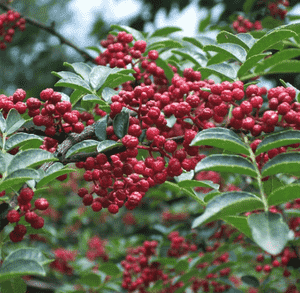
A thorny bush celebrated for its fragrant bark and pungent seeds, chinese prickly ash thrives with careful trimming. Essential methods involve reducing dense branches and eliminating lifeless or ailing wood to enhance air movement and light exposure. The most effective pruning should occur in late winter or early spring to stimulate robust new development. Consistent trimming preserves the plant's form and encourages a bountiful harvest of the valued spice. Caution is necessary to prevent over-removal of thorns to uphold its inherent protection.
What Are the Benefits of Pruning Chinese Prickly Ash?
What Are the Benefits of Pruning Chinese Prickly Ash?
Trimming chinese prickly ash encourages robust development and helps maintain its desired form. This is crucial for ensuring the plant's healthy progression, fostering improved air circulation, better sunlight exposure, and can potentially lead to a more abundant yield of its aromatic berries.
What Is the Best Time for Pruning Chinese Prickly Ash?
What Is the Best Time for Pruning Chinese Prickly Ash?
Pruning chinese prickly ash from late winter to early spring is considered ideal because this timing aligns with the plant's dormant phase, before new growth begins. In late winter, when the plant is still inactive, the risk of disease transmission through pruning cuts is minimized, and the healing of cuts can start quickly with the arrival of spring growth. Performing pruning at the end of winter allows gardeners to identify and remove any dead or damaged branches that have suffered from cold conditions, preparing the plant for vigorous spring development. Early spring pruning, just before growth commences, enables gardeners to shape the plant and manage its size more effectively without causing significant stress or hindering the development of new leaves and flowers. For chinese prickly ash, which may flower and set fruit later in the season, this timing ensures that the upcoming flowering and fruiting cycles are not negatively impacted by the pruning process.
What Tools Do I Need to Prune Chinese Prickly Ash?
Bypass Pruners
These are perfect for making clean cuts on chinese prickly ash's smaller branches and twigs. Their scissor-like action allows for precise, close cutting without causing unnecessary harm to the plant tissues.
Loppers
When the branches of chinese prickly ash become too thick for bypass pruners, loppers provide the extra leverage needed to make clean cuts through thicker branches. Choosing loppers with a comfortable grip and good quality blades will ensure healthy pruning cuts.
Pruning Saw
For the thickest branches of chinese prickly ash, a pruning saw is essential. Its serrated blade can cut through wood too large for loppers and can assist in shaping the plant or removing large, dead or damaged limbs.
Gloves
Given chinese prickly ash's thorny nature, wearing gloves is vital to protect hands from thorns and sharp branches during the pruning process.
How to Prune Chinese Prickly Ash
Disinfect tools
Before starting, clean all pruning shears and equipment with a bleach and water solution or use alcohol wipes to prevent the spread of disease in chinese prickly ash.
Remove diseased leaves
Carefully snip off any diseased leaves from chinese prickly ash, ensuring to make clean cuts to avoid additional stress to the plant. Dispose of these leaves properly to prevent reinfection.
Trim withered leaves
Locate and remove all withered leaves on chinese prickly ash to promote healthy growth and improve air circulation around the plant, using sharp, clean pruning shears to make close cuts without damaging the stems.
Cut dead branches
Identify and saw off any dead branches from chinese prickly ash, cutting them at their point of origin or back to a strong lateral branch, making sure to leave a small collar to aid the healing process.
Pruning diseased branches
For any diseased branches on chinese prickly ash, make cuts well below the affected areas, ideally back to healthy wood, ensuring that these cuts are clean to prevent the spread of disease.
Common Pruning Mistakes with Chinese Prickly Ash
Over-pruning
Removing too much foliage or too many branches at once from chinese prickly ash can weaken the plant and reduce its ability to photosynthesize.
Improper cutting
Incorrect cutting techniques, like tearing bark or leaving stubs, can harm chinese prickly ash's health and create entry points for pests and diseases.
Neglecting tool hygiene
Using dirty pruning tools can introduce pathogens to chinese prickly ash, leading to infection and spread of diseases across the garden.
Disregarding plant structure
Cutting without understanding the natural growth habit of chinese prickly ash can result in a misshapen plant that is more susceptible to stress and damage.
Ignoring dead or diseased wood
Failing to remove dead or diseased branches can hinder chinese prickly ash's growth and allow problems to persist or worsen.
Common Pruning Tips for Chinese Prickly Ash
Clean cuts
Make sure to use sharp pruning shears to create clean cuts on chinese prickly ash, which heal faster and minimize stress on the plant.
Tool sterilization
Before and after pruning chinese prickly ash, sterilize your tools with a solution of 1 part bleach to 9 parts water, or use alcohol wipes to prevent disease spread.
Thinning out
Thinning out the interior branches of chinese prickly ash improves air circulation and light penetration, promoting healthier growth and reducing disease risk.
Regulating size
Regularly prune chinese prickly ash to maintain its desired size and shape, which will encourage new growth and potentially more abundant flowering.
Preserving plant health
When trimming chinese prickly ash, always remove any dead, diseased, or crossing branches to maintain overall plant health and encourage vigorous growth.



