How to Prune Zanzibar gem?
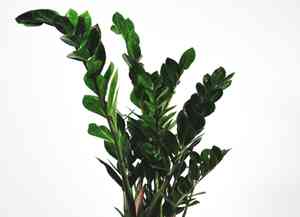
This enduring plant, featuring lustrous, pinnate leaves, flourishes with little upkeep. For zanzibar gem, trimming should concentrate on eliminating discolored or lifeless leaves near the soil line, employing sanitized cutting tools to avert illness. The optimal period is early spring or late winter, during its inactive stage. Trimming benefits zanzibar gem by fostering more robust development and preserving a neat look. Particular caution is required to avoid excessive pruning, as this slow-growing species needs time to recuperate.
Advantages of Trimming Zanzibar Gem
Advantages of Trimming Zanzibar Gem
Trimming zanzibar gem can stimulate more robust development and preserve its aesthetic form, ensuring the plant stays compact and appealing within indoor environments.
Optimal Time for Pruning Zanzibar Gem
Optimal Time for Pruning Zanzibar Gem
During late winter, zanzibar gem is in a dormant state, making it less susceptible to pruning stress. Trimming in early spring is beneficial as it precedes the plant's growth surge, allowing pruned areas to recover quickly with the start of the growing season. Pruning during these periods reduces disease risk and promotes strong health and shaping before energy is directed to new growth.
Necessary Tools for Pruning Zanzibar Gem
Sterilized Sharp Scissors or Snips
Zanzibar gem's thick, fleshy stems require sharp cutting implements for clean cuts without crushing, reducing infection risk and promoting faster healing.
Gloves
Zanzibar gem secretes sap that can irritate skin. Wearing gloves during pruning protects your hands.
Alcohol Wipes or Bleach Solution
Before and after pruning zanzibar gem, tools should be disinfected to prevent disease transmission. Wiping with alcohol or dipping in a bleach solution minimizes the risk of spreading pathogens.
How to Prune Zanzibar Gem
Step1: Inspecting Plant Health
Carefully examine zanzibar gem to identify yellowed leaves and withered stems that need pruning. Ensure the plant is otherwise healthy before proceeding with pruning.
Step2: Tool Sanitization
Sanitize your pruning shears or scissors with rubbing alcohol or a bleach solution to prevent the spread of diseases.
Step3: Trimming Yellow Leaves
Begin by trimming yellow leaves at their base where they connect to the stem or main plant of zanzibar gem. Be careful not to harm nearby healthy foliage or stems.
Step4: Assessing Withered Stems
Locate withered stems on zanzibar gem and evaluate the extent of the damage to determine the correct cutting point. If only the tip is withered, a partial stem cut is sufficient; if the entire stem is affected, it must be removed at the base.
Step5: Cutting Withered Stems
Cut withered stems with clean shears, making a smooth, precise cut at the base if the entire stem is affected, or above any visible leaf scars if only a portion of the stem is withered.
Step6: Shaping the Plant
After removing yellow leaves and withered stems, shape zanzibar gem by eliminating any misplaced stems to maintain a neat appearance. Ensure all cuts are made at the stem bases and are as clean as possible.
Step7: Disposing of Plant Debris
Properly dispose of all removed plant material to prevent any potential disease spread. Do not compost diseased or withered plant parts.
Step8: Post-Pruning Tool Cleanup
Clean your pruning tools again after completion to prevent any future cross-contamination.
Step9: Post-Pruning Watering Routine
Water zanzibar gem moderately after pruning to reduce plant stress and encourage healthy new growth, adhering to its regular watering schedule and needs.
Aftercare for Zanzibar Gem Post-Pruning
Aftercare for Zanzibar Gem Post-Pruning
Following pruning, zanzibar gem requires gentle attention. Ensure it's placed in indirect light, protecting it from direct sun that could stress the fresh cuts. Maintain a humid environment and a consistent temperature of 65-75°F. Resume fertilization approximately one month after pruning, using a balanced, water-soluble fertilizer, to support recovery and growth. Monitor zanzibar gem for wilting or discoloration, as these may indicate stress or infection. Should such symptoms appear, reduce watering and check for pests or diseases, treating as necessary.
Common Pruning Errors with Zanzibar Gem
Excessive Pruning Causes Plant Shock
Pruning too aggressively can shock zanzibar gem, leading to stressed plants and stunted development.
Dull Tools Increase Disease Vulnerability
Using dull or unsanitized pruning tools can damage plant tissues, making zanzibar gem susceptible to diseases.
Unnecessary Removal of Healthy Growth
Removing healthy stems or foliage without a valid reason can weaken zanzibar gem and diminish its lush appearance.
Ignoring Plant's Natural Growth Patterns
Pruning without considering the natural shape and growth habit of zanzibar gem may result in an unnatural and unattractive look.
Neglecting to Remove Dead Foliage
Failing to remove dead or yellowing leaves hinders zanzibar gem's ability to promote new growth and maintain plant health.
General Pruning Advice for Zanzibar Gem
Sterilize Tools to Prevent Disease
Sterilize pruning tools before use to prevent the spread of diseases to zanzibar gem.
Make Clean Cuts for Quick Healing
Make clean cuts on zanzibar gem's stems to facilitate rapid healing and avoid unnecessary damage.
Remove Dead or Damaged Fronds
Focus on removing dead, dying, or damaged fronds from zanzibar gem to redirect energy towards new growth.
Trim Yellowing Leaves at Stem Base
Prune zanzibar gem's yellow or decaying leaves at the base of the stem to keep the plant tidy and healthy.
Prune Regularly for Shape and Size
Regularly inspect zanzibar gem and gently prune as needed to maintain the desired shape and size, encouraging a more compact and lush plant.
Minimal Pruning Often Best for Health
Consider the 'less is more' approach with zanzibar gem; minimal pruning is often sufficient to keep the plant in good condition.



