How to Prune Coontie?
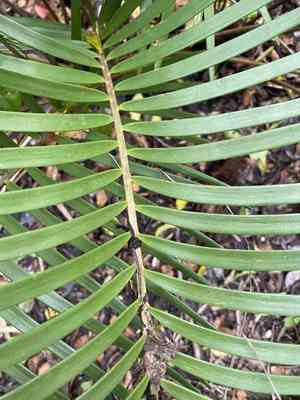
A cycad indigenous to the southeastern United States, coontie features rigid, pinnate foliage and develops cones. Trim by detaching aged or discolored fronds near the main stem, making sure cuts are precise to avert harm. The ideal period for trimming is in winter, during its inactive phase, fostering robust new development in spring. Trimming improves visual appeal and plant well-being by decreasing pest environments and boosting air movement. Exercise caution to prevent harming the delicate growth apex.
What Are the Benefits of Pruning Coontie?
What Are the Benefits of Pruning Coontie?
Trimming coontie promotes vigorous development and maintains its desired shape. Strategic cuts encourage new leaves and stem production, ensuring coontie remains compact and appealing, which is especially crucial as it does not naturally shed old fronds.
What Is the Best Time for Pruning Coontie?
What Is the Best Time for Pruning Coontie?
Winter is the optimal time for pruning coontie because its growth cycle is inactive, minimizing stress and the chance of disease spread. The reduced foliage during this period allows for more accurate cuts and better plant shaping without removing new growth, which is important since coontie is a slow-growing plant. Furthermore, pruning before spring's arrival ensures that any new growth is robust and not compromised by recent cuts. This timing also avoids the flowering and seed production phases, preserving its natural reproductive cycle.
What Tools Do I Need to Prune Coontie?
Hand Pruners
Hand pruners are perfect for cutting through coontie's small stems and leaves. They provide accuracy and control, which is essential for the delicate work involved.
Pruning Saw
For thicker stems that hand pruners cannot manage, a pruning saw is appropriate. Its serrated blade cuts through woody material without harming the plant's structure.
Long-Handled Loppers
If coontie has grown large and has hard-to-reach branches, long-handled loppers will offer the extra reach and leverage needed for a clean cut.
Gardening Gloves
Protective gloves are vital to shield against the plant's sharp edges and potential skin irritants during trimming.
Clean Cloth and Disinfectant
To prevent disease transmission, tools should be wiped clean with a cloth and disinfected before and after use on coontie.
Secateurs
These are useful for shaping coontie and removing any dead or damaged fronds, contributing to the plant's health and appearance.
How to Prune Coontie
Step1: Inspect Plant for Pruning Areas
Start by examining coontie for the specific parts that need trimming: yellow leaves, withered branches, and old fronds. Ensure you have clean, sharp pruning shears or scissors for precise cuts. Disinfect the tools before and after use to prevent disease spread.
Step2: Prune Yellow Leaves at Base
For yellow leaves, locate the base of each discolored leaf where it emerges from the trunk. Make a clean cut as close to the trunk as possible without harming new growth. Remove only the leaves that are mostly yellow, as they are unlikely to recover and may attract pests.
Step3: Cut Withered Branches Back to Healthy Tissue
To remove withered branches, first identify any branches that are visibly dry, brittle, and lack green foliage. Cut these branches back to the point of healthy, living tissue, which is typically where you see green on the branch or at the base of the plant.
Step4: Remove Old Fronds Near Trunk
When trimming old fronds that are brown and dry, locate the base of the frond where it connects to the trunk. Cut the frond off as close to the trunk as possible without damaging adjacent fronds or new growth. Be careful not to remove green fronds, as coontie uses them for photosynthesis.
Step5: Dispose of Plant Cuttings to Deter Pests
After removal, clear away all cuttings from around coontie to discourage pests and fungal growth. Discard the plant material in a compost bin or according to your local yard waste disposal regulations.
Step6: Prune Conservatively to Avoid Plant Stress
Avoid over-trimming coontie, as this can stress the plant and reduce its vigor. Pruning should be done sparingly, removing only the parts that are dead or dying.
Step7: Monitor Plant for Post-Pruning Health
Monitor coontie after pruning for any signs of new growth or distress. If the plant shows signs of poor health, reassess your pruning technique and the plant's overall care, including watering, sunlight exposure, and fertilization.
Post-Pruning Care for Coontie
Post-Pruning Care for Coontie
After trimming coontie, immediately water the soil to reduce stress. Place coontie in filtered sunlight and maintain ambient temperatures of 65-75°F with high humidity. Apply a balanced, slow-release fertilizer to nourish coontie without overwhelming it. Monitor coontie for yellowing leaves or rot, signs of stress or infection; if detected, adjust care and consult a specialist. Ensure consistent care to support coontie's recovery and encourage robust growth.
Common Pruning Mistakes with Coontie
Over-pruning Can Shock Plants
Trimming too much at once can shock coontie, leading to stress and potentially harming the plant. It's important to trim sparingly and not remove more than necessary.
Avoid Cutting the Caudex
Accidentally cutting into the trunk or 'caudex' of coontie is a common error. This can create wounds that make the plant susceptible to pests and diseases.
Distinguish Dead From Healthy Foliage
Removing healthy foliage instead of just the brown or yellowing leaves can weaken coontie. It's crucial to differentiate between dead and live tissue before cutting.
Use Sharp, Clean Pruning Tools
Using dull or dirty pruning tools can cause jagged cuts that heal poorly and may introduce pathogens to coontie. It is essential to use sharp, clean tools for clean cuts.
Common Pruning Tips for Coontie
Precise Cuts with Clean Shears
Always use clean, sharp pruning shears to make precise cuts on coontie, reducing the risk of disease and ensuring a quick recovery.
Remove Only Dead Leaves
When trimming coontie, focus on removing only the yellowing or brown fronds and spent leaf bases close to the stem, leaving healthy green fronds intact to photosynthesize effectively.
Prune at Base, Spare the Caudex
To maintain the natural shape and health of coontie, snip fronds at the base, near the stem, without cutting into the caudex, to encourage healthy new growth.
Post-Pruning Plant Care
After pruning, care for coontie by watering and fertilizing appropriately to support recovery and new growth. Pruning is a good opportunity to check the overall health of your plant.



