How to Prune Spanish dagger?
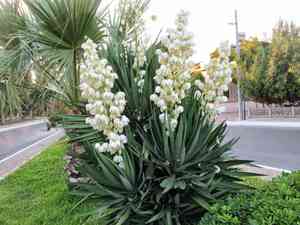
Distinguished by its blade-like foliage and elevated flower spikes, Yucca gloriosa thrives with judicious trimming to preserve its form and eliminate faded blossoms. Sever any lifeless or compromised leaves at their base and snip off flower stems once flowering concludes. This task is ideally performed in early spring or during winter to lessen the plant's strain. Such maintenance fosters robust development and accentuates the plant's structural appeal. Always verify that your implements are sanitized to avert the spread of pathogens.
What Are the Benefits of Pruning Spanish Dagger?
What Are the Benefits of Pruning Spanish Dagger?
Trimming spanish dagger promotes more abundant flower production and enhances its resistance to pests and diseases, fostering a healthier and more attractive plant.
What Is the Best Time for Pruning Spanish Dagger?
What Is the Best Time for Pruning Spanish Dagger?
Pruning spanish dagger in late winter, prior to the emergence of new growth, allows the plant to recover from cuts without diverting energy from developing foliage and blooms. This minimizes stress and lowers the risk of disease transmission when pests are less active. Early spring pruning aligns with spanish dagger's growth cycle, encouraging robust new growth and maintaining the plant's form without impacting summer flowering. These timings also prevent potential frost damage to fresh cuts that could occur in mid-winter.
What Tools Do I Need to Prune Spanish Dagger?
Sharp, heavy-duty pruners
Robust and keen pruners are essential for cutting through the fibrous and tough leaves of spanish dagger, ensuring clean cuts that facilitate better healing.
Long-handled loppers
Spanish dagger can develop quite sturdy stems when mature; long-handled loppers offer leverage for making larger cuts with greater accuracy and less effort.
Pruning saw
For the thickest stems or trunks, a pruning saw is indispensable, as it can manage diameters beyond the capacity of pruners and loppers.
Protective gloves
Spanish dagger's leaves are sharp and can cause injury. Gloves will safeguard the gardener's hands during the pruning process.
Safety goggles
These will shield the gardener's eyes from potential harm from the pointed tips of spanish dagger's leaves or from debris during cutting.
How to Prune Spanish Dagger
Step1: Identifying Stalks and Leaves for Pruning
Examine spanish dagger to pinpoint old flower stalks and damaged leaves that require removal. Flower stalks that have finished blooming and leaves that are brown, yellow, or visibly impaired should be pruned to maintain plant health and appearance.
Step2: Preparing Sterilized Pruning Tools
Prepare clean and sharp pruning shears or scissors. Sanitize the blades with rubbing alcohol to prevent the spread of disease.
Step3: Pruning Old Flower Stalks
Begin with the old flower stalks. Trace the stalk down to the plant's base. Make a precise cut where the stalk emerges from the main trunk of spanish dagger, avoiding damage to the main trunk and surrounding leaves. The cut should be made at a slight angle to prevent water from accumulating, which could lead to rot.
Step4: Trimming Damaged Leaves
Remove damaged leaves by cutting them back to the base of spanish dagger. Do not pull the leaves as this can harm the trunk. Make your cuts as close to the trunk as possible without cutting into it.
Step5: Cleanup of Pruning Debris
After pruning, clear all debris from around spanish dagger to deter pests and diseases.
Step6: Post-Pruning Plant Monitoring
Monitor spanish dagger for signs of stress or infection following pruning. Water regularly if needed, but ensure good drainage as spanish dagger is drought-tolerant and dislikes sitting in wet soil.
Step7: Shaping the Plant Post-Pruning
Assess spanish dagger for shape and balance after the pruning process. Additional light shaping can be done by trimming off any leaves that disrupt the natural symmetry of spanish dagger, but avoid heavy pruning as spanish dagger does not require or tolerate excessive cutting.
Step8: Proper Disposal of Pruned Material
Dispose of or compost the pruned material appropriately. Do not leave infected or diseased material near the plant as it can lead to further problems.
Step9: Tool Cleaning and Sterilization After Pruning
Clean and sterilize your tools after finishing to keep them sharp and prevent the spread of disease during the next use.
Post-Pruning Care for Spanish Dagger
Post-Pruning Care for Spanish Dagger
Immediately after pruning spanish dagger, ensure clean cuts to prevent infection. Position spanish dagger in bright, indirect light and maintain moderate humidity and temperatures between 60-70°F. Water sparingly, allowing soil to dry between waterings. Apply balanced liquid fertilizer to support regeneration but avoid over-fertilization which can stress spanish dagger. Regularly inspect pruned areas for signs of discoloration or rot, indicative of stress or infection, and treat with fungicide if necessary. Consistent monitoring enables prompt response to any adverse conditions.
Common Pruning Mistakes with Spanish Dagger
Over-pruning and Impeding Growth
Pruning too aggressively, which can remove the healthy, growing tips of spanish dagger and hinder its natural growth pattern and potential flowering.
Unnecessary Trunk Cutting
Cutting the trunk of spanish dagger without a valid reason, as this could stress the plant and lead to unnecessary injury, making it vulnerable to diseases and pests.
Using Non-sterilized Tools
Not sterilizing pruning tools before use on spanish dagger, which might introduce pathogens and lead to infection of the cuts.
Ignoring Dead/Damaged Foliage
Ignoring dead or damaged leaves, which should be removed to maintain the health and appearance of spanish dagger.
Premature Flower Stalk Pruning
Pruning the flower stalks of spanish dagger before they have completed their life cycle, as these can add visual interest even after the flowers have faded.
Common Pruning Tips for Spanish Dagger
Clean Cut for Dead Leaves Removal
When removing dead or damaged leaves from spanish dagger, make a clean cut close to the trunk to promote better healing and appearance.
Balanced Pruning for Revitalization
Aim for a balanced appearance when pruning spanish dagger, prioritizing the removal of older leaves to rejuvenate the plant and encourage new growth.
Sterilized Tools for Healthy Cuts
Use sharp and sterilized tools when making any cuts on spanish dagger to minimize damage and prevent the spread of diseases.
Safety First with Sharp Foliage
Be cautious when handling spanish dagger during pruning due to its sharp foliage and wear appropriate protective gloves and eyewear.
Prune Flower Stalks Post-Bloom
If pruning flower stalks of spanish dagger after blooming, cut them back to the base to redirect the plant's energy to new growth and potential future blooms.
Post-Pruning Cleanup
Perform a general cleanup around the plant after pruning, which includes removing any fallen debris from the base of spanish dagger to prevent rot and discourage pests.



