How to Prune Aloe yucca?
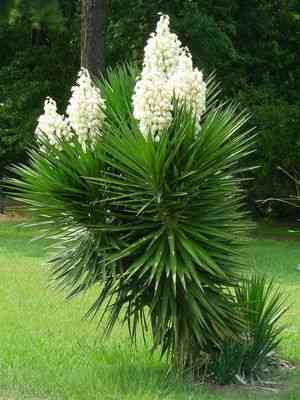
Distinguished by its blade-like foliage and elevated inflorescences of white blossoms, aloe yucca thrives with judicious trimming. Detach withered or compromised leaves from the plant's foundation and exhausted flower stems to preserve its look and well-being. The ideal period for this is in early spring or winter, steering clear of the active growth phase. Trimming enhances air movement and can stimulate fresh development, thereby maximizing the plant's vitality and visual appeal.
Advantages of Trimming Aloe Yucca
Advantages of Trimming Aloe Yucca
Trimming aloe yucca promotes more abundant flowering and aids in preventing pests and diseases by eliminating potential infestations and enhancing air circulation.
Optimal Period for Trimming Aloe Yucca
Optimal Period for Trimming Aloe Yucca
Trimming aloe yucca in early spring aligns with the time immediately following winter dormancy but before its rapid growth phase. This timing minimizes stress and encourages vigorous growth. Additionally, winter pruning, while the plant is inactive, allows for the removal of damaged or diseased material without compromising aloe yucca's health or active growth processes. These seasons balance the requirements for healthy rejuvenation and preparatory shaping, ensuring aloe yucca's strength and vitality throughout the growing period.
Tools Required for Trimming Aloe Yucca
Sharp, Heavy-Duty Pruners
Given aloe yucca's robust, fibrous leaves, sharp heavy-duty pruners or shears are essential for making clean cuts without harming the plant.
Long-Handled Loppers
Aloe yucca can reach considerable heights, and its leaves can be large and rigid. Long-handled loppers will provide the necessary leverage and reach for safely trimming higher branches and leaves.
Protective Gloves
Aloe yucca's pointed leaf tips can be sharp. Protective gloves made from thick material are crucial for preventing injuries during pruning.
Safety Goggles
Small fragments of leaves or sap might fly towards the face when cutting aloe yucca. Safety goggles will shield the eyes during the pruning process.
How to Trim Aloe Yucca
Step1: Identifying Dead Plant Material
Identify the dead fronds on aloe yucca by looking for leaves that are brown and dry. These are typically the lower leaves closest to the ground.
Step2: Prepare Pruning Tools
Wear gardening gloves and use sharp and clean pruning shears. Disinfect shears with rubbing alcohol to prevent the spread of disease.
Step3: Cutting Dead Fronds Correctly
Cut the dead fronds as close to the trunk as possible without damaging it. Make the cut on the dead frond at a downward angle to allow water to run off and prevent disease.
Step4: Spotting Diseased Fronds
Locate any diseased fronds, which may appear discolored, spotted, or deformed. Isolate these from the healthy portions of aloe yucca to prevent spread of the disease.
Step5: Isolating and Pruning Diseased Fronds
Prune the diseased fronds, using the same method as for dead fronds. Immediately dispose of these in a sealed bag to avoid contamination of other plants.
Step6: Locating Old Flower Stalks
Find the old flower stalks, which are typically tall, woody stems from where the flowers have already bloomed and died off.
Step7: Removing Old Flower Stalks
Prune the old flower stalks at their base, near the point of attachment to the main trunk, ensuring not to injure the surrounding healthy tissue.
Step8: Cleanup Post-Pruning
After pruning aloe yucca, clean up all debris from the surrounding area to maintain good hygiene and minimize the risk of pests and diseases.
Step9: Aftercare: Watering and Fertilization
Water aloe yucca and apply a balanced fertilizer to support healthy new growth if necessary, depending on the current season and the specific needs of aloe yucca.
Step10: Regular Inspection and Maintenance
Regularly inspect aloe yucca for any signs of pests, diseases, or further dead material to prune as needed, following the steps outlined above.
Post-Trimming Care for Aloe Yucca
Post-Trimming Care for Aloe Yucca
Immediately after trimming aloe yucca, ensure clean cuts to avoid disease. Place aloe yucca in a well-lit area but out of direct sunlight to prevent stress. Maintain moderate humidity and a stable temperature, avoiding extremes. Begin a gentle fertilization regime after two weeks to support new growth, using a balanced, slow-release formula. Regularly inspect aloe yucca for signs of stress such as wilting or discoloration. If infection signs appear, treat promptly with the appropriate fungicide or bactericide.
Common Trimming Errors with Aloe Yucca
Damaging Plants with Dull or Unclean Tools
Using dull or unclean trimming tools can damage aloe yucca's tough leaves and stems, leading to jagged cuts that may invite pests and diseases.
Over-Trimming and Hindering Photosynthesis
Removing too much foliage at once can stress aloe yucca and hinder its ability to photosynthesize effectively, potentially stunting its growth.
Potential Injuries from Neglecting Safety Gear
Trimming without gloves and eye protection can result in injuries from aloe yucca's sharp leaf tips and edges.
Common Trimming Tips for Aloe Yucca
Sterilize Tools to Prevent Disease Spread
Before trimming, sterilize all cutting tools with alcohol or a bleach solution to prevent the spread of disease to aloe yucca.
Proper Cutting Technique to Avoid Water Accumulation
Cut the offshoots close to the trunk of aloe yucca at a slight angle to facilitate proper healing and prevent water from accumulating on the cut surface, which could cause rot.
Prune Damaged Parts and Maintain Natural Shape
Remove only damaged or dead leaves and stems. These parts should be pruned back to the base or to the nearest living tissue. For aloe yucca, maintaining its natural shape is typically the best approach to encourage healthy growth and flowering.



