How to Prune Strawflower?
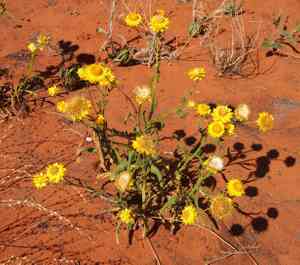
Recognized for its delicate, vibrant flowers, strawflower flourishes with consistent trimming. Ideally conducted from the beginning of spring through the end of autumn, this practice fosters denser development and extends the blooming period. Removing faded flowers is essential for encouraging ongoing blossoms. After flowering, shorten the stems to stimulate fresh growth. Pruning should not be overly aggressive, as this could diminish the plant's general resilience and capacity for flowering. Thoughtful cuts enhance the plant's vitality and visual attractiveness.
What Are the Benefits of Pruning Strawflower?
What Are the Benefits of Pruning Strawflower?
Trimming strawflower promotes robust development and helps maintain its form, ensuring a dense, visually appealing structure. Regular cutting eliminates dead or weak stems, fostering a strong and thriving plant.
What Is the Best Time for Pruning Strawflower?
What Is the Best Time for Pruning Strawflower?
Pruning strawflower in early spring is advantageous as it readies the plant for a vigorous growth period by removing any dead or damaged growth sustained over winter. This timing allows the plant to direct energy towards new growth and flowering. Trimming during the active growth phases in spring and summer can also help maintain the desired shape and size of strawflower, as well as encourage more abundant blooming by removing spent flowers. Late fall pruning is suitable for cutting back strawflower after it has finished flowering, reducing the plant's overall size before it enters dormancy in winter. This late pruning is crucial to prevent any potential harm from winter weather, such as heavy snowfall that can break overextended stems. By adhering to this pruning schedule, gardeners can ensure the health and aesthetic appeal of strawflower throughout its growth cycle and across the changing seasons.
What Tools Do I Need to Prune Strawflower?
Hand Pruners
Perfect for making precise cuts on strawflower, especially for deadheading or removing faded blooms. Opting for bypass pruners ensures clean cuts without harming the stems.
Pruning Shears
Suitable for shaping strawflower plants and maintaining their desired dimensions. They allow for quick snips and can be used to trim back foliage.
Gloves
Hand protection is essential when pruning strawflower to prevent scratches from the plantâs leaves or stems. Gloves should be durable and fit well.
Garden Scissors
Ideal for snipping delicate stems of strawflower, thinning out small sections, or cutting flowers for arrangements.
Pruning Saw
Not typically needed for strawflower, but can be useful for removing any thick, woody stems that might develop on older plants or if strawflower has been allowed to grow large.
Loppers
May be required for larger specimens of strawflower, to prune out any thicker branches that hand pruners cannot manage. Best for trimming stems that are more than half an inch thick.
How to Prune Strawflower
Step1: Assess Plant Health
Evaluate strawflower's overall condition and identify the presence of dead flowers, wilted leaves, and diseased parts, which need to be removed to promote healthy growth.
Step2: Sanitize Pruning Tools
Disinfect pruning shears with a solution of 1 part bleach to 9 parts water to prevent the spread of disease during the pruning process.
Step3: Remove Dead Flowers
Begin with dead flowers, cutting them off at the base of the flower stem. Use a sharp pair of pruning shears and make a clean cut just above the leaf node or next branch.
Step4: Trim Wilted Foliage
Identify wilted or yellowing foliage and remove by making cuts at the base of the affected leaves or stem, ensuring not to damage healthy parts. Regular removal of wilted foliage encourages new growth and maintains plant shape.
Step5: Cut Away Diseased Parts
Carefully examine strawflower for diseased parts, which often show abnormalities such as discoloration or lesions. Remove these areas by cutting well into the healthy tissue to ensure all diseased parts have been removed.
Step6: Shape Plant Structure
After trimming the specified parts, shape the strawflower by selectively pruning overgrown branches to maintain a balanced, natural form. Make angled cuts just above outward-facing buds or leaf nodes to guide new growth outwards and improve air circulation.
Step7: Dispose of Pruning Debris
Dispose of all removed material, particularly diseased parts, appropriately, to prevent the spread of pathogens. Do not compost diseased plant material.
Step8: Clean Pruning Shears
Clean and dry the pruning shears thoroughly after use to maintain their condition and further prevent any disease spread.
Step9: Monitor Post-Pruning Recovery
Monitor strawflower after pruning for signs of new growth. Water the plant appropriately and provide a balanced fertilizer to support recovery and robust flowering in the growing season.
Post-Pruning Care for Strawflower
Post-Pruning Care for Strawflower
Immediately after pruning strawflower, ensure the plant receives gentle watering to ease stress. Maintain it in a well-lit area, avoiding direct harsh sunlight. Ideal recovery temperatures range from 65-75°F with moderate humidity. Within a few weeks, apply a balanced, slow-release fertilizer to encourage robust growth. Regularly inspect strawflower for discoloration or wilt as signs of distress. If symptoms of infection appear, isolate the plant and treat with appropriate fungicides or pesticides following expert recommendations.
Common Pruning Mistakes with Strawflower
Excessive Pruning Reduces Photosynthesis
Over-pruning, which can stress strawflower and reduce flowering by removing too many stems and leaves that are necessary for photosynthesis and energy production.
Avoid Cutting into Old Woody Growth
Pruning into the woody, older growth at the base of strawflower, which may not produce new shoots readily and can lead to a sparse or misshapen plant.
Remove Spent Flowers to Encourage Blooming
Neglecting to remove spent flowers and seed heads, which can limit the production of new blooms and lead to a less vigorous strawflower.
Use Clean, Sharp Tools for Healthy Cuts
Using dull or dirty pruning tools, which can damage the stems and possibly introduce disease to strawflower.
Prune with Purpose for Plant Health
Pruning without a clear purpose, such as shaping, removing damaged parts, or encouraging bushier growth, which can result in an unattractive plant without improving its health or bloom.
Common Pruning Tips for Strawflower
Clean Cuts with Sharp Shears Prevent Disease
Use sharp, clean shears to make clean cuts on strawflower, which will help prevent damage and potential disease.
Cut Above Leaf Node for Fuller Growth
Prune strawflower by cutting above a leaf node or junction to encourage branching, which will result in a fuller plant with more flowers.
Deadhead Regularly for Continuous Blooms
Regularly deadhead spent blossoms to promote continuous blooming throughout the growing season.
Thin Stems to Increase Air Circulation
Thin out crowded stems to increase air circulation, which can reduce the chance of fungal diseases affecting strawflower.
Prune Leggy Plants Sparingly to Reduce Stress
If strawflower becomes leggy, cut back to a desired shape to encourage new growth, but avoid cutting back more than one-third of the plant at a time to minimize stress.



