How to Prune Xanthoceras sorbifolium?
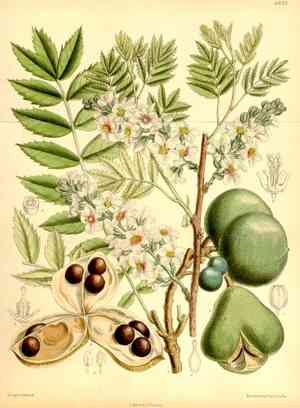
Xanthoceras sorbifolium, recognized for its striking white blossoms and ornamental seed capsules, greatly benefits from trimming. The best periods for pruning are late winter or early spring, prior to the emergence of new shoots. Pruning efforts should concentrate on excising dead or ailing limbs, reducing dense sections to boost light exposure and air circulation, and sculpting the plant for visual appeal or managing its dimensions. Consistent pruning boosts bloom production and sustains plant well-being, rendering it crucial for peak development and look.
Advantages of Trimming Xanthoceras Sorbifolium
Advantages of Trimming Xanthoceras Sorbifolium
Trimming xanthoceras sorbifolium encourages robust development and maintains its desired form. Regular cutting aids in revitalizing the plant, fostering the emergence of new, healthy branches and foliage, which boosts the plant's overall vigor and visual appeal.
Optimal Period for Trimming Xanthoceras Sorbifolium
Optimal Period for Trimming Xanthoceras Sorbifolium
Trimming xanthoceras sorbifolium in late winter or early spring is ideal as it coincides with the end of dormancy and the start of the growing season. This timing allows the plant to recover quickly from cuts before new growth begins, supporting healthier development and strength. Additionally, since xanthoceras sorbifolium blooms on new wood, pruning at this time helps stimulate the growth of new shoots that will produce flowers and fruits in the same year. Minimizing pruning stress during this period ensures the plant remains strong and can achieve optimal flowering and fruiting.
Required Tools for Trimming Xanthoceras Sorbifolium
Hand Pruners
Perfect for cutting stems and small branches of xanthoceras sorbifolium. Their sharp, precise blades ensure clean cuts, minimizing harm to plant tissues.
Loppers
Useful for reaching branches and thicker stems that hand pruners cannot manage. Their long handles provide the necessary leverage to cut through denser plant material, crucial for controlling the growth of xanthoceras sorbifolium.
Pruning Saw
Essential for cutting branches over 1.5 inches thick. Xanthoceras sorbifolium may develop larger branches as it matures, and a pruning saw helps remove these efficiently without damaging the rest of the plant.
Pole Pruner
Recommended for reaching higher branches without needing a ladder. Given that xanthoceras sorbifolium can grow to a considerable height, a pole pruner offers a safe method to manage its upper branches.
How to Trim Xanthoceras Sorbifolium
Clean tools
Before beginning the trimming process, ensure all pruning tools (such as shears and saws) are clean and sharp. This helps prevent disease spread and ensures clean cuts that will heal more effectively on xanthoceras sorbifolium.
Inspect
Carefully examine xanthoceras sorbifolium for any indications of diseased leaves, withered leaves, dead branches, and diseased branches. Identify these areas precisely as they must be removed to maintain the plant's health.
Trim diseased and withered leaves
Using your shears, gently remove any diseased or withered leaves from xanthoceras sorbifolium. Make cuts close to the base of the leaf stalk, being careful not to harm the healthy parts of xanthoceras sorbifolium.
Trim dead and diseased branches
Cut back all dead and diseased branches on xanthoceras sorbifolium. For thinner branches, use pruning shears, and for thicker branches, use a pruning saw. Make your cuts at a slight angle, just above a healthy bud or branching point to encourage healthy regrowth.
Clean up
After trimming, clear away all removed plant material from around xanthoceras sorbifolium. Dispose of diseased material properly to prevent any potential re-infection. Clean your tools again after finishing to prevent the spread of disease to other plants.
Common Trimming Errors with Xanthoceras Sorbifolium
Excessive pruning
A common error is removing too many of xanthoceras sorbifolium's branches in one trimming session. This can stress the plant, leading to weakened growth and reduced flowering.
Incorrect cut locations
Cutting too close or too far from the bud can harm xanthoceras sorbifolium. Cuts that are too close may damage the bud, while cuts that are too far can leave a stub prone to infection or decay.
Improper tool use
Using dull or dirty tools can injure xanthoceras sorbifolium's branches, creating jagged cuts susceptible to disease. It's vital to use clean, sharp pruning tools.
General Trimming Advice for Xanthoceras Sorbifolium
Gradual pruning
For xanthoceras sorbifolium, progressive thinning is better than severe pruning. Remove only a few of the oldest branches at the base to stimulate fresh growth and maintain plant health.
Targeted cuts
Focus on removing any dead, diseased, or overlapping branches to improve air circulation and light penetration, crucial for xanthoceras sorbifolium's health and flowering.
Post-pruning care
After trimming xanthoceras sorbifolium, apply a balanced, slow-release fertilizer to support recovery and growth. Keep the plant well-watered, especially in dry conditions, to reduce pruning stress.



