How to Prune Shiranji-tea?
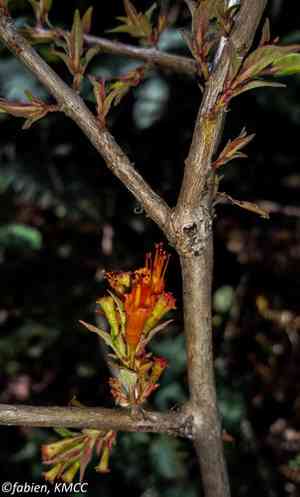
Flourishing in temperate environments, shiranji-tea produces brilliant crimson blossoms. Perform pruning in late spring or early summer after blooming to preserve its form and stimulate fresh flower development. Remove any lifeless or ailing branches and decrease the plant's size by one-third annually for peak vitality and expansion. This trimming practice not only boosts air movement but also amplifies flowering, guaranteeing shiranji-tea continues to be a lively element in landscapes.
What Are the Benefits of Pruning Shiranji-tea?
What Are the Benefits of Pruning Shiranji-tea?
Trimming shiranji-tea is crucial. It encourages abundant blooming, essential for its decorative appeal. Strategic cuts also strengthen its defense against pests and illnesses, ensuring shiranji-tea's vitality and robustness.
What Is the Best Time for Pruning Shiranji-tea?
What Is the Best Time for Pruning Shiranji-tea?
Trimming shiranji-tea in late spring and early summer coincides with its post-flowering period, when the plant has likely completed its bloom cycle. Pruning at this time allows for the removal of faded flowers or any fruit, which promotes new growth and prepares the plant for the next flowering season. Additionally, the risk of frost has passed, reducing potential stress on shiranji-tea. The warmer weather of late spring and early summer also speeds up wound healing, as the plant is actively growing and can recover quickly from pruning cuts. This timing minimizes the risk of pest or disease infestation, which can be more common if pruning occurs during the plant's dormancy or peak growth phase.
What Tools Do I Need to Prune Shiranji-tea?
Hand Pruners
Perfect for making precise cuts on the smaller stems and branches of shiranji-tea, which promotes healthy development. Opt for bypass pruners, as they provide a clean, accurate cut without crushing plant tissues.
Lopping Shears
Useful for cutting through thicker branches of shiranji-tea that are typically too large for hand pruners. Their extended handles offer leverage for easier cutting.
Pruning Saw
Essential for removing larger branches that lopping shears cannot manage. A saw with fine teeth is preferred for shiranji-tea, as it creates cleaner cuts that heal more readily.
How to Prune Shiranji-tea
Disinfect tools
Before beginning to prune shiranji-tea, ensure all pruning implements are sanitized to prevent the spread of disease.
Remove diseased parts
Carefully cut away all affected leaves and branches, making sure to completely remove them from the vicinity of shiranji-tea to prevent re-infection.
Trim withered elements
Snip off withered leaves and dead branches to enhance air circulation and light penetration for the remaining healthy sections of shiranji-tea.
Prune dead flowers
Remove spent flowers to encourage shiranji-tea to redirect its energy towards new growth and potentially more blooms.
Control growth
Finally, cut back excessive growth branches on shiranji-tea to maintain the desired form and size, fostering a more robust and visually appealing plant.
Common Pruning Mistakes with Shiranji-tea
Overpruning
Removing too much foliage from shiranji-tea can stress the plant, leading to reduced blooming and a weakened state that makes it more vulnerable to pests and diseases.
Cut location
Cutting too close to the main stem or buds may damage shiranji-tea's potential new growth points, hindering future flowering.
Tool bluntness
Using dull tools can cause ragged cuts that do not heal well, leaving shiranji-tea susceptible to infection.
Ignoring deadwood
Failing to remove dead or diseased branches can lead to the spread of pests and diseases, jeopardizing the overall health of shiranji-tea.
Lack of cleanliness
Not sterilizing pruning tools before use can transfer disease between plants, posing a significant risk to shiranji-tea's health.
Common Pruning Tips for Shiranji-tea
Clean cuts
Ensure you make clean cuts on shiranji-tea using sharp, sanitized pruning tools to prevent infection and promote rapid healing.
Selective pruning
Prune crowded branches selectively to improve air circulation and light penetration, which are vital for shiranji-tea's vigorous growth and flowering.
Shaping
Prune shiranji-tea to maintain an attractive shape and encourage bushier growth, but be careful to preserve its natural form for optimal health and appearance.
Deadheading
Remove spent flowers from shiranji-tea to stimulate new flower production and prevent the plant from diverting energy into seed development.
Health maintenance
Regularly inspect shiranji-tea for dead, dying, or diseased wood, and promptly prune these areas away to maintain plant vigor and health.



