How to Prune Chinese wisteria?
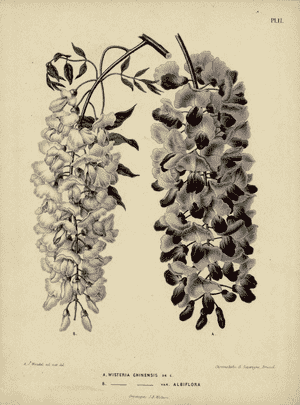
This leafy vine is celebrated for its flowing bunches of aromatic blossoms and robust development. For chinese wisteria, yearly trimming is essential to preserve its form and stimulate flowering. The ideal period for pruning is in late winter or early spring, prior to leaf emergence. Shorten the previous year's growths to 3-5 buds to foster the development of flowering spurs. Eliminate any lifeless or intersecting branches to encourage sound growth and proper air movement. Trimming averts excessive growth and amplifies the splendor of chinese wisteria's profuse flowers.
What Are the Benefits of Pruning Chinese Wisteria?
What Are the Benefits of Pruning Chinese Wisteria?
Trimming chinese wisteria promotes robust new development and assists in maintaining a desired form. This ensures the plant remains healthy and visually appealing in the landscape.
What Is the Best Time for Pruning Chinese Wisteria?
What Is the Best Time for Pruning Chinese Wisteria?
These periods are considered optimal as they coincide with chinese wisteria's dormant phase when it's not actively growing. Pruning in late winter before buds emerge directs the plant's energy towards new shoots and flowers, potentially leading to a more abundant spring bloom. Furthermore, chinese wisteria's bare branches at this time offer improved visibility and access for precise cuts. This timing also aids in disease prevention, as cuts can heal rapidly without the stress of active growth or the presence of most pests and diseases common in warmer weather. Ultimately, late winter or early spring pruning helps preserve chinese wisteria's structure, health, and aesthetic appeal, while maximizing its flowering potential.
What Tools Do I Need to Prune Chinese Wisteria?
Hand Pruners
Perfect for cutting chinese wisteria's slender, young shoots and capable of handling branches up to 3/4 inches thick, enabling precise cuts and shape upkeep.
Loppers
Effective for reaching chinese wisteria's higher, thicker branches and cutting through wood up to 1 1/2 inches in diameter, providing leverage and extended reach.
Pruning Saw
Essential for removing mature, woody stems of chinese wisteria that are too thick for hand pruners and loppers, ensuring clean cuts without harming the plant.
Hedge Shears
Useful for shaping chinese wisteria when cultivated as a hedge, offering the ability to make straight, even cuts across multiple stems.
Pole Pruner
Helpful for cutting hard-to-reach branches of chinese wisteria without using a ladder, enhancing gardener safety.
How to Prune Chinese Wisteria
Step1: Inspect Plant for Pruning
Examine chinese wisteria for spent blooms, dead wood, and weak stems. Perform pruning in late winter before the plant begins active growth, though dead wood can be removed any time of year.
Step2: Remove Dead Wood
Begin by eliminating any dead wood. Identify dead branches by gently scratching the bark with a knife; living tissue will appear green. Cut dead branches back to their origin point or to a main stem using clean, sharp pruning shears or a saw for larger branches.
Step3: Prune Old Blooms
Trim old blooms from the previous season. Locate faded flowers and seed pods, and cut them back to a strong bud or side shoot whenever possible. This encourages the development of new flower buds for the subsequent season.
Step4: Trim Weak Stems
Identify weak stems that are thin, underdeveloped, or growing in undesirable directions. Trim these stems back to a main branch or to a few inches above a bud on the same stem to stimulate new growth.
Step5: Shape Plant for Health
Focus on shaping chinese wisteria for structure and health. When pruning, aim to create an open framework that allows light and air into the plant's center, reducing the risk of pests and diseases.
Step6: Summer Touch-Up Pruning
Following the primary structural pruning in late winter, perform a less intensive pruning in mid-summer to remove any unruly shoots that have developed and to neaten chinese wisteria's appearance.
Step7: Make Clean, Angled Cuts
When performing any pruning on chinese wisteria, ensure your cuts are clean and at a 45-degree angle away from the buds. This helps prevent water accumulation on the cut surface, reducing the risk of rot.
Post-Pruning Care for Chinese Wisteria
Post-Pruning Care for Chinese Wisteria
Immediately after pruning chinese wisteria, ensure clean cuts to prevent disease, and apply a sealant if necessary. Optimize environmental conditions by maintaining moderate light, avoiding temperature extremes, and keeping humidity consistent. Support chinese wisteria's recovery with balanced fertilization, avoiding high nitrogen formulas that promote foliage over flowers. Observe chinese wisteria for wilting, discoloration, or pest presence, signaling stress or infection. If symptoms appear, adjust care and consult a plant health expert.
Common Pruning Mistakes with Chinese Wisteria
Avoid Excessive Main Stem Pruning
Over-trimming chinese wisteria's main stems, which can decrease the number of potential flowering sites and the plant's overall vigor.
Remove Deadwood Regularly
Failing to remove deadwood, which can impede new growth and potentially introduce disease to chinese wisteria.
Use Sharp, Clean Pruning Tools
Utilizing dull or unsanitized pruning tools, which can harm the vines and introduce pathogens to chinese wisteria.
Understand Growth Patterns Before Pruning
Pruning without comprehending chinese wisteria's growth pattern, which could lead to cutting incorrect stems and thus impairing flowering.
Respect Plant's Natural Shape and Size
Disregarding the plant's inherent shape and size limitations, which can result in a misshapen or excessively dense chinese wisteria.
Common Pruning Tips for Chinese Wisteria
Make Clean Cuts with Sharp Shears
Use sharp, clean pruning shears to make precise cuts that chinese wisteria can heal from quickly, reducing disease risk.
Prune Sideshoots Post-Flowering
Trim chinese wisteria's sideshoots back to 2 or 3 buds after flowering to promote airflow and prevent vine tangling.
Remove Dead or Diseased Branches
Remove any dead, diseased, or crossing branches from chinese wisteria to maintain plant health and encourage vigorous growth.
Thin out Dense Growth for Light Penetration
Thin out dense growth to allow light into chinese wisteria's center, which encourages blooming and prevents fungal diseases.
Prune Regularly for Size and Shape Control
Regularly inspect chinese wisteria and prune as needed to control size and shape, remembering that light pruning can be done throughout the growing season to keep the plant tidy.



