How to Prune Mexican fan palm?
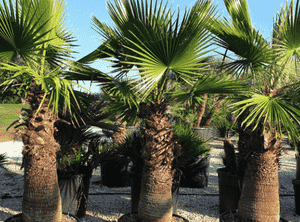
Distinguished by its elevated height and palmate leaves, mexican fan palm thrives with yearly trimming to eliminate withered or compromised foliage and enhance air movement. The most suitable time for this species' pruning is from late winter to early spring, prior to the commencement of its active growth phase. Perform pruning by severing fronds at their base, above the leaf stalk, being careful not to over-remove to avert plant strain. Trimming improves aesthetic appeal and plant robustness, while also diminishing wind impact and potential pest dwellings.
What Are the Benefits of Pruning Mexican Fan Palm?
What Are the Benefits of Pruning Mexican Fan Palm?
Trimming mexican fan palm is vital for preserving its strength and desired shape. Strategic cutting encourages robust new growth, ensuring mexican fan palm maintains a strong form. This practice is crucial for the plant's appearance and vitality.
What Is the Best Time for Pruning Mexican Fan Palm?
What Is the Best Time for Pruning Mexican Fan Palm?
The optimal period for pruning mexican fan palm is from late winter to early spring. This timing is ideal because the plant is still dormant and has not yet entered its rapid growth phase, which typically occurs in late spring and summer. Pruning during this stage minimizes stress on the plant, allowing for quick recovery. It also ensures that any frost damage from winter can be removed, thereby promoting healthier growth. Since mexican fan palm does not have a significant flowering or fruiting period that would necessitate specific pruning times, the focus remains on the plant's overall health and vigor. Trimming in this timeframe also prepares mexican fan palm for the upcoming growing season, fostering the development of a strong structure and form.
What Tools Do I Need to Prune Mexican Fan Palm?
Pole Saw
Necessary for reaching the elevated fronds of mexican fan palm, as it can achieve considerable heights, making it unsafe to prune without extended reach.
Pruning Saw
Useful for cutting through the thicker, woodier fronds of mexican fan palm with greater precision than a pole saw when accessible.
Loppers
Effective for snipping smaller fronds or petioles that are within arm's reach without requiring a ladder.
Safety Harness
Crucial for climbing and ensuring safety when pruning mexican fan palm at elevated positions, as falls can be dangerous.
Long Reach Pruners
Provides extra length for accessing lower fronds without needing a ladder for mexican fan palm, reducing risk.
Chainsaw
Can be utilized for larger-scale maintenance or removal of mexican fan palm by a trained professional, especially for cutting the trunk or very large fronds.
Protective Gear
Important for personal safety, including gloves and eye protection, when pruning mexican fan palm to prevent injury from sharp fronds and falling debris.
How to Prune Mexican Fan Palm
Step1: Identify Dead or Damaged Fronds
Locate the mexican fan palm's dead, brown, and broken fronds. These typically hang below the canopy's horizontal line. Avoid cutting healthy green fronds as they are vital for photosynthesis and the mexican fan palm's overall well-being.
Step2: Prepare Pruning Equipment and Safety Gear
Gather the necessary tools for trimming. Use a sharp and sterilized pruning saw or long-handled loppers. Ensure personal safety by wearing gloves, eye protection, and a hard hat, as falling fronds can be heavy and hazardous.
Step3: Schedule Pruning to Protect Wildlife
Plan the pruning to avoid bird nesting seasons, as mexican fan palm can serve as a habitat for wildlife. Check for active nests and if any are found, postpone pruning until the birds have departed.
Step4: Ensure Safe Access to Fronds
Safely ascend to the fronds using a secure ladder or aerial lift, ensuring stable footing and adherence to safety standards to prevent falls or injury.
Step5: Trim Fronds without Harming Trunk
Cut each dead, brown, or broken frond close to the trunk, but avoid damaging the trunk itself. Leave a small portion (about 2-4 inches) of the frond base to protect the trunk from wounds that can attract pests or disease.
Step6: Dispose of Removed Fronds Responsibly
Properly discard the removed fronds. Do not leave them near the mexican fan palm as they can harbor pests or diseases or become a fire hazard. Composting can be a viable option for disposing of the organic waste.
Step7: Examine and Treat Pruning Cuts
Inspect the pruning cuts for any signs of pests or decay. If detected, treat the areas with an appropriate plant-safe disinfectant or seek advice from an arborist for the treatment of diseases.
Step8: Hydrate Plant Post-Pruning
Water the mexican fan palm sufficiently after pruning to help it recover from the stress of trimming. Ensure that the soil has good drainage to prevent waterlogging, which can harm the mexican fan palm.
Step9: Monitor Plant for Post-Pruning Recovery
Observe the mexican fan palm over the next few weeks for any signs of stress or disease. Healthy growth should resume with new fronds emerging from the crown.
Step10: Maintain Annual Pruning Schedule
Maintain a consistent pruning schedule, generally once a year, to manage the dead and damaged fronds and to preserve the aesthetic appeal of the mexican fan palm while minimizing the need for more frequent pruning.
Post-Pruning Care for Mexican Fan Palm
Post-Pruning Care for Mexican Fan Palm
Immediately after pruning mexican fan palm, water generously to reduce stress; however, avoid waterlogging. Ensure mexican fan palm is in a well-lit environment to promote photosynthesis but avoid excessive direct heat. Maintain ambient humidity and a stable temperature between 65-75°F (18-24°C). Apply a balanced, slow-release palm fertilizer to replenish nutrients, aiding in recovery and growth. Regularly inspect the pruning sites for discoloration or oozing, indications of stress or infection, and engage appropriate plant healthcare if symptoms arise.
Common Pruning Mistakes with Mexican Fan Palm
Avoid 'Pineapple Effect' from Excessive Pruning
Over-pruning can lead to a 'pineapple effect,' where 'mexican fan palm' is left with a tuft of fronds atop a bare trunk. This makes the palm more susceptible to wind damage.
Don't Over-Trim Green Fronds, Key to Photosynthesis
Removing too many green fronds, which are necessary for photosynthesis and overall health, could severely weaken 'mexican fan palm'.
Use Clean, Sterile Tools to Prevent Harm to Palm
Using poor or dirty cutting tools, which can damage the palm and introduce diseases or pests.
Prune Only Complete Brown Fronds to Retain Nutrients
Pruning fronds that are not completely brown can deprive 'mexican fan palm' of nutrients stored in these fronds and hasten the tree's decline.
Trim Fronds Close to Trunk, Avoiding Stubs
Leaving stubs when trimming fronds can create habitats for pests or rot, compromising the health of 'mexican fan palm'.
Common Pruning Tips for Mexican Fan Palm
Sterilize Pruning Tools for Clean Cuts
Always use clean and sharp pruning tools to make precise cuts without harming 'mexican fan palm'. Sterilize the tools before use to prevent the spread of disease.
Prune Only Brown, Drooping Fronds Below Canopy
Prune only the fronds that are brown and hanging below the horizontal plane of the canopy to avoid over-pruning and ensure the palm retains enough of its green fronds to remain healthy.
Cut Close to Trunk to Promote Health and Smoothness
Make the cuts as close to the trunk as possible without damaging it, to promote a smoother trunk over time and to discourage pests and diseases.
Remove Spent Flowers and Fruit to Boost Growth
Prune away flowers and fruit stalks once they've finished to help redirect 'mexican fan palm's energy into growth and overall health.
Dispose of Pruning Debris to Deter Pests and Disease
After pruning, properly dispose of the cut fronds and debris to reduce the chance of disease and pests affecting 'mexican fan palm'.



