How to Prune Vriesea gigantea?
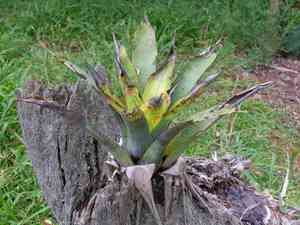
gigantea, a unique bromeliad, thrives with infrequent trimming. Eliminate withered or compromised foliage and faded flower stalks to preserve its well-being and visual appeal. The optimal period for trimming is in early spring or late winter, preparing the specimen for fresh development. Trimming improves air movement and directs the plant's vitality toward vigorous growth. Consistent removal of aged leaves also deters pest outbreaks, guaranteeing a sturdy and appealing plant.
Advantages of Trimming Gigantea
Advantages of Trimming Gigantea
Trimming gigantea promotes robust development and preserves its decorative appeal. Regularly removing old or overgrown foliage helps maintain the plant's distinctive shape and boosts its overall health and vibrancy.
Optimal Period for Trimming Gigantea
Optimal Period for Trimming Gigantea
For gigantea, trimming during late winter and early spring is recommended as this timing coincides with the end of its dormant phase and just before the start of its new growth cycle. Pruning in these seasons allows gigantea to recover and initiate new growth efficiently, which is vital for sustaining plant health and vigor. Removing old or dead foliage at this time minimizes the risk of disease and pest infestation, and supports the upcoming growth spurt by redirecting the plant's energy towards producing fresh, healthy leaves and flowers.
Essential Tools for Trimming Gigantea
Sharp, sanitized scissors or garden shears
Given that gigantea possesses relatively delicate leaves and inflorescences, sharp and clean scissors or shears are essential. These ensure precise cuts that heal rapidly, preventing any potential harm or illness.
Tweezers or small forceps
For extracting dead or damaged leaves and spent flower stalks from hard-to-reach areas without disturbing the rest of the plant. This minimizes harm to the healthy portions of gigantea.
Soft cloth or sponge
To gently wipe down the leaves of gigantea, ensuring the plant remains healthy and free from dust or pests, which can accumulate especially indoors.
How to Trim Gigantea
Identify ailing leaves
Examine the foliage of gigantea thoroughly to pinpoint any diseased, discolored, or damaged leaves. Look for any indications of fungal infection or pests, suggested by unusual spots, decay, or malformation.
Remove ailing leaves
Using a pair of sterilized, sharp scissors or pruning shears, carefully cut the diseased leaves at the base where they connect to the stem. Ensure the cut is clean and avoid tearing the leaves to prevent further damage to gigantea.
Identify withered leaves
Inspect gigantea for any withered or lifeless leaves. These are typically older, lower leaves that may be brown, brittle, and dried out.
Remove withered leaves
Gently remove the withered leaves by hand if they detach easily or use sterilized scissors to cut them at their base near the stem. This will help in maintaining the aesthetic look of gigantea and encourage healthier growth.
Common Trimming Errors with Gigantea
Excessive trimming
A frequent error is removing too many leaves or branches from gigantea, which can stress the plant and diminish its vitality. Gigantea does not require extensive trimming; excessive removal of foliage can impede its growth and overall health.
Incorrect method
Cutting into the green, living parts of gigantea can cause harm. Since gigantea has a central rosette that collects water and nutrients, damaging this part can lead to infections or rot. It's crucial to only remove brown or dead leaves gently without harming the green, living sections.
Timing
Trimming gigantea too late in its growth or bloom cycle can hinder its ability to produce flowers. Always prune soon after flowering has ceased to encourage new growth without affecting the flowering cycle.
General Trimming Advice for Gigantea
Gentle removal
For a healthy gigantea, always use a gentle hand when removing dead or dying leaves. Gently pull them away from the base or cut them close to the base with sterilized scissors, avoiding any damage to the central rosette.
Sanitize tools
Using clean and sharp pruning tools is crucial to prevent the spread of disease and to make clean cuts that heal quickly. Sterilize your tools before use, particularly if they were previously used on another plant.
Focus on dead material
Focus on removing only the dead or damaged parts of gigantea. This helps prevent unnecessary stress on the plant and promote healthier, more vigorous growth by directing energy to the thriving parts.



