How to Prune Chinese chaste tree?
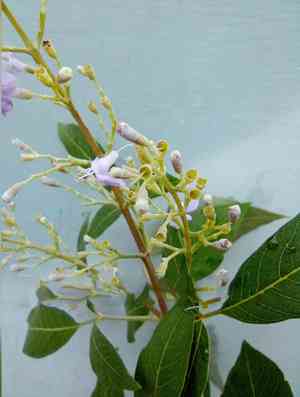
This leaf-shedding bush, recognized for its fragrant, hand-shaped composite foliage and purple to violet flower clusters, greatly benefits from trimming. Essential methods for chinese chaste tree involve removing aged branches and shortening excessively long stems to preserve its form and encourage robust development. The most effective time for pruning is in late winter or early spring, prior to the emergence of new shoots. Trimming at this time minimizes the chance of frost harm to fresh cuts and guarantees strong spring development. Eliminating dead or ailing wood can improve air movement, decrease the occurrence of diseases, and enhance its blooming capacity.
What Are the Benefits of Pruning Chinese Chaste Tree?
What Are the Benefits of Pruning Chinese Chaste Tree?
Trimming chinese chaste tree promotes robust development and maintains its desired form. Regular cutting back encourages denser foliage and can lead to stronger branching, ensuring chinese chaste tree remains healthy and visually appealing.
What Is the Best Time for Pruning Chinese Chaste Tree?
What Is the Best Time for Pruning Chinese Chaste Tree?
Pruning chinese chaste tree in late winter or early spring coincides with the end of its dormant phase and before new growth emerges. This timing allows chinese chaste tree to recover from cuts without significant sap loss, which is more prevalent in warmer months, and minimizes plant stress. Furthermore, removing old growth at this stage makes room for fresh, vigorous branches, improving the plant's overall health, shape, and productivity in terms of blooms and fruits. Pruning before new growth starts ensures that the energy chinese chaste tree stored during dormancy is used efficiently to produce new, strong growth instead of sustaining old or potentially diseased branches. Additionally, the absence of leaves provides a clearer view of the plant's structure, enabling more precise and effective pruning.
What Tools Do I Need to Prune Chinese Chaste Tree?
Hand Pruners
Perfect for making clean cuts on chinese chaste tree's smaller branches and twigs. Bypass pruners are preferred over anvil types to avoid crushing plant tissue.
Lopping Shears
Suitable for cutting through thicker branches of chinese chaste tree, up to approximately 1.5 inches in diameter. They offer greater leverage for clean cuts without straining the gardener's hands.
Pruning Saw
Essential for chinese chaste tree's larger branches exceeding 1.5 inches in diameter. A pruning saw helps achieve precise cuts without harming nearby branches.
Pole Pruner
Useful for reaching chinese chaste tree's higher branches without needing a ladder, enhancing safety during pruning.
Gloves
Protects the gardener's hands from thorns and rough bark while handling chinese chaste tree.
Gardening Shears
For shaping and maintaining the overall form of chinese chaste tree, especially for trimming softer growth and deadheading.
How to Prune Chinese Chaste Tree
Clean Tools
Before beginning, sterilize your pruning shears with a solution of 1 part bleach to 9 parts water to prevent disease spread to chinese chaste tree.
Cut Dead Branches
Identify and remove any dead branches from chinese chaste tree by cutting them where they meet healthy wood, ensuring a clean cut without leaving stubs.
Remove Diseased Branches
Carefully trim away any diseased branches from chinese chaste tree, cutting well below the affected areas to ensure all diseased tissue is eliminated.
Thinning
Thin out dense areas of chinese chaste tree to improve airflow and light penetration by selectively removing some older branches at their point of origin.
Wound Care
After pruning, apply a thin layer of pruning sealer or natural wound dressing, if needed, to protect chinese chaste tree from pests and diseases.
Common Pruning Mistakes with Chinese Chaste Tree
Over-Pruning
Avoid removing more than one-third of chinese chaste tree's foliage in a single pruning session, as this can stress the plant and impede its growth and flowering. Excessive pruning can result in fewer flowers and reduced vigor.
Improper Cutting Technique
Using dull or dirty tools can damage chinese chaste tree's branches, leading to jagged cuts more susceptible to disease and pests. Always use clean, sharp tools for clean cuts.
Pruning For Size Reduction
Severely cutting back chinese chaste tree to control its size can be counterproductive. It encourages a flush of weakly attached sucker growth, making it more vulnerable to damage.
Neglecting To Remove Dead Or Diseased Wood
Failing to regularly remove dead or diseased branches can jeopardize the overall health of chinese chaste tree, as these can become entry points for pests and diseases.
Pruning Without A Plan
Pruning chinese chaste tree without understanding its growth pattern can lead to unsatisfactory results or a misshapen plant. Always have a goal in mind before you start cutting.
Common Pruning Tips for Chinese Chaste Tree
Selective Thinning
Focus on selectively thinning chinese chaste tree to enhance light penetration and air circulation within the canopy, which can promote healthy growth and reduce disease likelihood.
Timing After Flowering
Prune immediately after chinese chaste tree has finished blooming to ensure the plant has ample time to produce new growth and set buds for the next season. Maintenance and shaping pruning can be done as needed.
Cutting At The Right Place
Make pruning cuts just above a leaf node or a pair of buds to encourage chinese chaste tree to grow in a desired direction and prevent stubs that can become diseased.
Encouraging The Main Structure
Identify and maintain the primary structural branches of chinese chaste tree, removing any that cross or rub against each other to maintain a strong framework for the plant.
Use Of Proper Tools
Equip yourself with appropriate tools such as hand pruners, loppers, or a pruning saw, and ensure they are sharp and clean before working on chinese chaste tree to make precise cuts and avoid infection.



