How to Prune Prostrate blue violet?
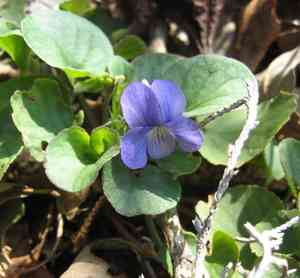
Prostrate blue violet, characterized by its sprawling nature and bunches of purple-blue blossoms, flourishes with infrequent trimming. Eliminate any withered or compromised leaves at any point. The primary pruning takes place after flowering, predominantly from spring to early summer, to preserve its form and stimulate robust development. A gentle trim in autumn can ready prostrate blue violet for the colder months while safeguarding buds for the spring bloom. Pruning boosts vitality and flower production, prevents excessive growth, and assists in managing diseases for this shade-loving groundcover.
What Are the Benefits of Pruning Prostrate Blue Violet?
What Are the Benefits of Pruning Prostrate Blue Violet?
Trimming prostrate blue violet promotes abundant blooms, encourages robust development, and helps maintain its compact shape. Pruning eliminates faded flowers and dead leaves, stimulating fresh, healthy growth.
What Is the Best Time for Pruning Prostrate Blue Violet?
What Is the Best Time for Pruning Prostrate Blue Violet?
Pruning prostrate blue violet in Spring allows for the removal of any winter-damaged sections before new growth begins, which promotes a healthier and more vigorous growth cycle for the season ahead. Late Summer pruning is optimal as it ensures that prostrate blue violet maintains its shape and vigor after the bloom period without impeding the establishment of the flower buds that will overwinter and bloom the following Spring. Fall pruning is not advisable as it can encourage new growth that won't have time to harden off before the onset of cold winter temperatures, which could lead to increased susceptibility to frost damage. The specified seasons foster healthy development while preserving and enhancing the plant's ornamental value.
What Tools Do I Need to Prune Prostrate Blue Violet?
Bypass Hand Pruners
These are perfect for making precise cuts on prostrate blue violet, as they are designed for cutting live plant material without crushing tender stems.
Micro-Tip Snips
Prostrate blue violet thrives with delicate care, and micro-tip snips provide the accuracy needed for thinning or shaping the small foliage.
Pruning Gloves
While prostrate blue violet does not normally have thorny stems, gloves protect hands from soil, insects, or rough plant material during pruning.
Garden Scissors
These can be used for deadheading prostrate blue violet and performing light shaping, ensuring clean cuts on delicate stems.
How to Prune Prostrate Blue Violet
Sanitize
Before pruning prostrate blue violet, sterilize pruning tools using rubbing alcohol or a bleach solution to prevent the spread of disease.
Remove diseased leaves
Carefully snip off any diseased leaves from prostrate blue violet at the base of the leaf stem, ensuring not to damage adjacent healthy tissue.
Trim withered leaves
Cut back withered leaves to the base of the leaf stem to encourage new growth, taking care not to cut into the crown or healthy growth.
Deadhead withered flower
Deadhead spent flowers by pinching or snipping the flower stem beneath the withered flower of prostrate blue violet to promote continuous blooming.
Disposal
Dispose of all removed material away from the garden to minimize the risk of disease spreading back to prostrate blue violet or other plants.
Common Pruning Mistakes with Prostrate Blue Violet
Overpruning
Cutting back too much foliage which can stress prostrate blue violet and reduce its vigor.
Improper Cut Placement
Making cuts too close to the crown or too far from the nodes, which can lead to damaged tissue and impede healthy regrowth.
Pruning Healthy Growth
Removing healthy flowers and foliage unnecessarily, which can decrease the overall flowering potential.
Disregarding Plant Shape
Pruning without recognizing the natural form of prostrate blue violet, leading to an unattractive, unnatural appearance.
Using Dull Tools
Pruning with dull blades can result in jagged cuts that are more prone to disease and pests.
Pruning During Active Growth
Trimming prostrate blue violet when it's actively growing can interrupt its natural growth cycle and reduce flowering.
Common Pruning Tips for Prostrate Blue Violet
Selective Thinning
Prune selectively to thin out dense foliage, which promotes air circulation and can help reduce disease prevalence.
Timely Deadheading
Remove spent flowers regularly to encourage continued blooming throughout the growing season.
Clean Cuts
Make clean and sharp cuts at an angle close to a growth node, leaving a small portion of the stem to foster quick healing and regrowth.
Preserve Plant Form
Trim prostrate blue violet by following its natural shape to maintain an appealing and structurally sound form.
Sterilize Tools
Sterilize pruning tools before and after use to prevent the spread of plant diseases.
Cautious Pruning
Prune conservatively, taking care not to remove more than a third of the plant's growth to avoid undue stress on prostrate blue violet.



