How to Prune Marsh violet?
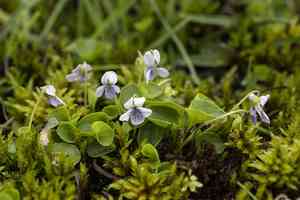
A compact perennial featuring cordate leaves and subtle purple blossoms, marsh violet flourishes in moist, boggy environments. Trimming requirements are slight, yet can be performed in spring or summer to eliminate withered or compromised foliage, fostering robust development. Removing faded flowers enhances a neat look and might prolong the flowering season. Consistent pruning sustains vitality and averts excessive density, crucial for marsh violet's peak well-being and floral exhibition.
What Are the Benefits of Pruning Marsh Violet?
What Are the Benefits of Pruning Marsh Violet?
Trimming marsh violet promotes more robust development and preserves the plant's form. Regular cutting can lead to a denser, stronger plant with enhanced vigor and visual appeal.
What Is the Best Time for Pruning Marsh Violet?
What Is the Best Time for Pruning Marsh Violet?
The optimal period is after flowering, allowing marsh violet to recover and channel energy into growth subsequent to blooming. Pruning at this time aids in maintaining plant shape and health, while minimizing disease risk as cut areas heal quickly in warmer conditions.
What Tools Do I Need to Prune Marsh Violet?
Bypass Pruners
For the delicate stems of marsh violet, sharp bypass pruners are the perfect implement. The precise, clean cuts made by bypass pruners facilitate rapid healing and minimize harm to the plant's tender tissues.
Snips or Micro-Tip Pruning Snips
Given the small size and intricate structure of marsh violet, micro-tip pruning snips are ideal for accurate trimming. They enable gardeners to access dense areas without causing incidental damage to surrounding foliage.
Gardening Gloves
Though not a direct pruning tool, quality gardening gloves are crucial for safeguarding the gardener's hands from moisture and potential irritants when tending to marsh violet.
How to Prune Marsh Violet
Disinfect tools
Prior to beginning, sanitize all pruning implements using a solution of 1 part bleach to 9 parts water to prevent the spread of ailments to marsh violet.
Remove diseased leaves
Carefully inspect marsh violet for affected leaves. Gently pinch or snip them off at the base with clean, sharp scissors or pruning shears, ensuring not to tear or harm the adjacent healthy tissue.
Remove withered leaves
Identify shriveled or dead leaves on marsh violet. These can be detached by pinching them off with your fingers or cutting them at the base, which will encourage vigorous growth.
Cut back diseased stems
Locate any stems of marsh violet exhibiting signs of illness. Cut these stems back to healthy tissue, ensuring the cut is clean and angled to promote water runoff and recovery.
Clean up debris
Following the pruning of marsh violet, clear away all remnants from the surrounding area to reduce the likelihood of disease and pests. Dispose of diseased material appropriately, away from healthy plants.
Common Pruning Mistakes with Marsh Violet
Overpruning
Removing an excessive amount of foliage from marsh violet can weaken the plant and diminish its vitality. Marsh violet requires minimal trimming, and overdoing it can result in fewer blooms and a less appealing plant.
Improper tool usage
Employing dull or unsanitized cutting instruments can harm marsh violet's delicate stems and elevate the risk of disease. It is essential to use sharp, sterilized pruning shears.
Pruning too close
Cutting too near the main stem or crown of marsh violet can injure the plant and invite disease. It is important to make cuts on the stem at an appropriate distance from the crown.
Removing healthy growth
Mistakenly eliminating healthy foliage or flowers can negatively impact marsh violet's overall health and hinder its ability to reach its full blooming potential.
Disregarding plant shape
Failing to consider marsh violet's natural form and growth habit when pruning can lead to an unnatural appearance and poor plant well-being.
Common Pruning Tips for Marsh Violet
Clean cuts
Make precise cuts on marsh violet's stems to encourage better healing and lessen the risk of disease. Use properly maintained, sharp pruning shears for optimal results.
Follow natural growth
Marsh violet should be pruned in accordance with its inherent shape. Adhere to the plant's growth pattern to maintain an attractive form and foster healthy development.
Selective pruning
Focus on removing only the dead or diseased portions of marsh violet to preserve plant health and vigor. Prune just above a leaf joint to stimulate new growth in the desired direction.
Aerate center
Thin out the middle of marsh violet if it becomes too dense. This will enhance air circulation, decrease the risk of fungal ailments, and allow light to reach all parts of the plant.
Post flowering cleanup
After marsh violet has bloomed, deadhead spent flowers to encourage a neat appearance and potentially promote additional blooms. However, be careful not to remove developing seed pods if you wish marsh violet to self-seed.



