How to Prune Labrador violet?
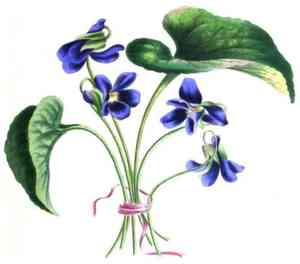
A ground-covering perennial recognized for its purplish foliage and violet blossoms, labrador violet thrives in chilly, shaded conditions. Trimming is crucial for preserving its vibrant look and fostering robust development. Consistently remove faded flowers to prompt fresh bloom generation. Cut back sprawling sections to uphold the plant's dense shape, preferably in late winter or early spring prior to the emergence of new shoots. Cutting back labrador violet can also revitalize the plant and avert excessive density, guaranteeing energetic growth throughout the entire year.
Advantages of Trimming Labrador Violet
Advantages of Trimming Labrador Violet
Trimming labrador violet promotes more abundant flowering, sustains its compact form, and stimulates robust development, ensuring a strong and visually appealing display.
Optimal Period for Pruning Labrador Violet
Optimal Period for Pruning Labrador Violet
Pruning in early spring enables labrador violet to establish a healthy structure and prevent congestion before the active growth phase. Trimming post-flowering ensures seed production isn't impeded and maintains the plant's shape without impacting its floral display. These timings are considered ideal as they align with labrador violet's dormant and post-bloom stages, minimizing stress and maximizing its resources for vigorous growth and flower production in the subsequent season.
Necessary Tools for Pruning Labrador Violet
Hand Pruners
Perfect for making precise cuts on labrador violet to remove dead or yellowed foliage and for thinning out thick growth.
Gardening Scissors
Useful for shaping labrador violet and for deadheading blooms; their smaller, sharper blades allow for careful, clean cuts without harming delicate stems.
Pruning Snips
These are excellent for reaching into labrador violet's dense foliage to snip away dead or diseased plant parts; snips offer the precision needed to meticulously maintain the plant's compact shape.
How to Prune Labrador Violet
Sanitize Tools
Before beginning, disinfect pruning shears with alcohol or a bleach solution to prevent disease transmission to labrador violet.
Remove Diseased Parts
Identify and carefully cut away diseased leaves and branches from labrador violet using sterilized shears, to encourage healthy development.
Trim Withered Parts
Using the same shears, cut back any withered leaves and dead branches to where labrador violet exhibits healthy growth, which stimulates new, vigorous development.
Deadhead Flowers
Pinch or snip off spent blooms from labrador violet to encourage continuous flowering and prevent the plant from expending energy on seed production.
Discard Clippings
After pruning, properly dispose of or compost all removed parts of labrador violet to prevent the spread of any potential diseases or pests.
Common Pruning Errors with Labrador Violet
Excessive Pruning
Removing too much foliage can stress labrador violet, potentially reducing its vigor and bloom potential. It's crucial to prune sparingly to maintain the plant's health.
Pruning During Active Growth
Cutting back labrador violet when it is actively growing can disrupt its natural growth cycle, leading to weaker plants and fewer flowers.
Neglecting Deadheading
Failing to remove spent flowers from labrador violet can result in reduced blooming as the plant may prioritize seed production over new blooms.
Using Dull Tools
Pruning labrador violet with dull or dirty tools can damage stems, creating jagged cuts that are more susceptible to disease.
Accidental Removal Of Next Year'S Buds
For some plants, next season's buds can form in the current year. However, for labrador violet, this is generally not a concern, but care should still be taken not to remove new growth that could produce future flowers.
General Pruning Advice for Labrador Violet
Hygiene
Ensure pruning tools are clean and sharp before working on labrador violet to make clean cuts and prevent disease spread.
Post-Flowering Timing
While specific seasonal timing is excluded, prune labrador violet shortly after flowering to shape the plant and encourage a neat appearance, as well as to potentially stimulate a second bloom.
Gentle Shaping
Lightly trim labrador violet to maintain its natural form rather than shearing it into an unnatural shape, which can stress the plant and diminish its beauty.
Deadheading
Regularly remove spent flowers from labrador violet to encourage continuous blooming throughout the growing season.
Thin Out Dense Growth
Gently thin out crowded areas to improve air circulation, which can help prevent fungal diseases that labrador violet might be prone to in dense, wet conditions.
Promoting Bushiness
Pruning labrador violet can encourage it to become bushier, which in turn can lead to more blooms. This can be achieved by pinching back the tips of the growth.



