How to Prune Common violet?
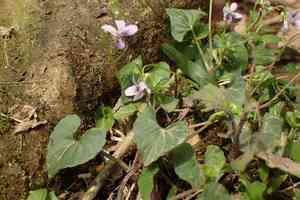
A fragile, leafy perennial, the common violet thrives with deliberate trimming, guaranteeing its endurance and vivid blossoms. Trim common violet after it flowers to eliminate spent or withered blooms, improving its look and fostering subsequent flowering. Reducing its size in late autumn readies common violet for the colder months, stimulating robust growth in spring. Timely pruning in spring, summer, or early autumn corresponds with the common violet's developmental rhythm, averting damage during winter. Consistent removal of spent flowers boosts its visual appeal and deters unwanted self-propagation.
Advantages of Trimming Common Violet
Advantages of Trimming Common Violet
Trimming common violet promotes more robust development, ensuring a compact shape and improved health by eliminating old or crowded leaves, enhancing air circulation, and lowering disease risk.
Optimal Pruning Period for Common Violet
Optimal Pruning Period for Common Violet
The best times to prune common violet are in the spring following its bloom, in early summer to maintain its form, and in the fall to prepare it for winter. In spring, pruning immediately after flowering allows the plant to direct energy towards new growth and ensures future blooms are unaffected. Early summer pruning is ideal for shaping common violet and removing spent flowers or excess growth without stressing the plant during its peak growing season. Fall pruning is beneficial for removing dead or diseased foliage, which could otherwise harbor pests or diseases over winter. These periods align with common violet's active growth or dormancy preparation, making it more resilient to pruning and ensuring optimal health and flowering in subsequent seasons.
Essential Tools for Pruning Common Violet
Bypass Pruners
Perfect for making clean cuts on the green or slightly woody stems of common violet without crushing plant tissue, promoting healthier regrowth.
Gardening Shears
Useful for trimming and shaping the foliage of common violet, allowing for precise control over the plant's form.
Micro-Tip Snips
These are ideal for deadheading spent flowers on common violet, ensuring accuracy without harming nearby blooms or leaves.
How to Prune Common Violet
Identify diseased and withered leaves
Examine common violet thoroughly to locate any diseased or withered leaves. These are typically characterized by discoloration, spots, or a wilted appearance.
Remove diseased and dead parts
Using sharp, sterilized pruning shears, carefully snip off any diseased or withered leaves, as well as any dead branches and diseased branches. Make cuts at the base of the affected parts to prevent further spread of disease.
Dispose of trimmed parts
Collect all removed parts of common violets and dispose of them in a way that prevents the spread of disease. Do not compost diseased material to avoid contaminating the compost pile.
Ensure clean cut
Ensure that each cut is clean and made at a slight angle to promote healing and prevent water accumulation, which might lead to rot or further disease.
Clean up
After pruning common violet, clean your tools with a solution of 1 part bleach to 9 parts water to prevent the spread of any pathogens to other plants.
Common Pruning Errors with Common Violet
Excessive Pruning
Removing too much foliage at once can stress common violet, hindering its growth and blooming potential. Novice gardeners often underestimate the resilience of common violet and cut back too aggressively.
Incorrect Cut Placement
Cutting too far from a bud can result in dead, unsightly stubs, while cutting too close can damage the bud. This mistake is common among gardeners who are unsure about where to make precise cuts.
Using Dull or Dirty Tools
Dull pruning shears can crush stems and branches, leading to uneven cuts that can attract pests or disease. Inexperienced and experienced gardeners alike sometimes neglect the cleanliness and sharpness of their tools, which is crucial for the health of common violet.
Pruning Heavy Blooms
Some gardeners mistakenly prune common violet during or right after heavy flowering periods, which can remove the developing buds for the next growth cycle and reduce overall flower production.
General Pruning Advice for Common Violet
Clean Cuts
Use sharp, clean pruning shears to make clean cuts. This practice helps to ensure quick healing and minimizes the risk of disease for common violet.
Selective Pruning
Focus on removing dead or diseased foliage along with any leggy or weak growth. This technique will encourage more vigorous growth and flowering in common violet.
Shape Maintenance
Trim common violet to maintain its natural shape and size, which improves sunlight penetration and air circulation. Experienced gardeners know that a plant thrives when it's not dense enough to harbor moisture and disease.
Post-Flowering Care
Once common violet has finished blooming, it's a good time to prune for shape and remove spent flowers to encourage a second bloom, a method often overlooked by those unfamiliar with common violet's growth habits.



