How to Prune Broad bean?
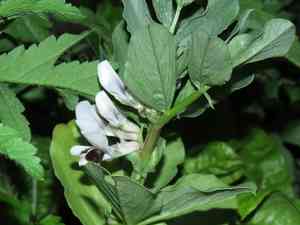
This pulse crop is recognized for its consumable seeds and substantial capacity for nitrogen fixation. Proper trimming for broad bean entails nipping off the plant's terminal bud once the initial pods begin to develop. This action fosters more compact growth and increased harvests. The timing is crucial; trimming ought to happen in late spring or early summer prior to the pods reaching full maturity. Meticulous trimming aids broad bean by boosting air movement, lowering the likelihood of illness, and potentially improving the caliber and dimensions of the pods.
Advantages of Trimming Broad Bean
Advantages of Trimming Broad Bean
Trimming broad bean promotes more vigorous development by encouraging new shoot and pod formation. Regular cutting helps maintain a manageable size and shape, preventing plants from becoming too dense, which can reduce vitality.
Optimal Timing for Pruning Broad Bean
Optimal Timing for Pruning Broad Bean
Pruning broad bean in Spring is beneficial as it marks the beginning of the plant's growth cycle, fostering strong new growth and allowing recovery time before the productive phase. Early Summer is another suitable period for trimming broad bean, especially after the initial pod harvest; this can enhance air circulation and deter disease. Early Fall pruning is appropriate for removing old or dead growth from the plant once the harvesting season concludes, preparing broad bean for the subsequent growing cycle. These timings ensure the plant remains healthy and fruitful, without disrupting its flowering and fruiting stages.
Essential Tools for Pruning Broad Bean
Bypass Pruners
Perfect for making clean cuts on green stems and branches without crushing plant tissues, crucial for broad bean's well-being.
Garden Scissors
Useful for precisely snipping broad bean's delicate shoots and leaves, avoiding harm to the main stem.
Gloves
Protects gardener's hands from scratches by broad bean's stems or foliage during the pruning process.
Steps to Prune Broad Bean
Sterilization
Sanitize your pruning tools before starting to prevent disease transmission to broad bean.
Identification
Locate withered leaves on broad bean that are brown, dry, and no longer beneficial for the plant's growth.
Cutting
Snip the withered leaves at their base where they connect to the stem or branch, making clean cuts to avoid damaging broad bean.
Disposal
Remove the trimmed leaves from the vicinity of broad bean to prevent potential disease spread or pest attraction.
Inspection
Examine broad bean for any additional withered leaves or signs of stress and repeat the pruning process as needed.
Common Errors When Pruning Broad Bean
Over Pruning
Removing excessive foliage from broad bean at once can stress the plant, potentially reducing yield and overall health.
Pruning Active Growth
Cutting off the tips of actively growing stems might inadvertently remove flower buds, decreasing potential pod production.
Incorrect Tools
Using dull or unclean cutting implements can cause unnecessary injury to broad bean, leading to poor healing and possible disease entry.
Neglecting Health Checks
Failing to inspect broad bean for signs of pests or diseases before pruning can result in the unintentional spread of problems to healthy parts of the plant.
Ignoring Plant Structure
Lack of understanding of broad bean's growth pattern may lead to misguided cuts that do not promote desirable branching or pod formation.
Helpful Pruning Advice for Broad Bean
Selective Thinning
Remove overcrowded stems to enhance air circulation and sunlight penetration, which can boost pod set and reduce disease pressure on broad bean.
Health Maintenance
Regularly remove any yellowed or diseased leaves to maintain the overall health of broad bean and prevent the spread of potential diseases.
Tip Pinching
If desired, pinch the tips of broad bean to encourage bushier growth, which can be useful in supporting more extensive pod development.
Consistent Cleanup
Following each pruning session, clear away pruned material from the base of broad bean to minimize the risk of disease and pest harborage.
Sharp Tools
Always use sharp, clean tools to make clean cuts on broad bean, which heal faster and reduce the risk of disease entry.



