How to Prune Cheder ebs?
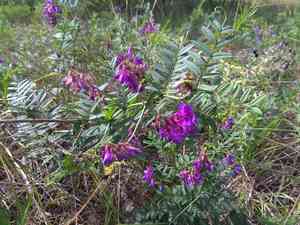
Cheder ebs, a plant species recognized for its growth pattern, thrives with specific trimming to improve its well-being and look. Perform pruning in late spring once blooming has concluded to stimulate subsequent flowers and sustain the plant's robustness. Summer cutting can additionally aid in shaping the plant and controlling its dimensions. Consistent pruning averts excessive density and boosts air movement, which is vital for cheder ebs's general vitality. Pruning during these periods corresponds with the plant's developmental cycle and seasonal patterns, guaranteeing peak outcomes.
What Are the Benefits of Pruning Cheder Ebs?
What Are the Benefits of Pruning Cheder Ebs?
Trimming cheder ebs encourages robust development and maintains its desired form. Regular cutting promotes a denser, healthier plant structure, improving its overall look and vigor.
What Is the Best Time for Pruning Cheder Ebs?
What Is the Best Time for Pruning Cheder Ebs?
Pruning cheder ebs in Spring and Summer is optimal due to its active growth period during these seasons. This timing allows for healthy regrowth and recovery after pruning, which is vital for sustaining plant vigor and overall health. Additionally, trimming before autumn's arrival helps prevent potential damage from colder temperatures on fresh cuts, reducing the risk of infection or disease. It also aids in managing the plant's shape and size, ultimately contributing to its aesthetic appeal and flower production.
What Tools Do I Need to Prune Cheder Ebs?
Hand Pruners
Perfect for severing slender stems and small branches, allowing for precise cuts without harming the delicate tendrils of cheder ebs.
Pruning Shears
Ideally suited for shaping or thinning out groups of cheder ebs, as they provide a clean cut that helps prevent diseases from entering the plant.
Garden Scissors
Useful for deadheading and minor trimming tasks, enabling gardeners to maintain the appearance and health of cheder ebs without employing overly robust instruments.
How to Prune Cheder Ebs
Sanitize
Disinfect your pruning shears before you begin. Clean them with a solution of one part bleach to nine parts water to prevent the spread of disease to cheder ebs.
Identify
Locate the diseased and withered leaves and the diseased stems on cheder ebs. Examine the entire plant, paying close attention to parts that appear brown or black, and leaves that are wilted.
Cut leaves
Carefully remove the diseased and withered leaves. Make your cuts close to the base of each leaf, avoiding damage to healthy adjacent leaves and stems.
Cut stems
Trim diseased stems by cutting at a healthy point just above a leaf node or bud. Ensure the cut is clean and at a 45-degree angle to facilitate water runoff and prevent further disease.
Dispose
Properly discard all removed material (diseased leaves and stems). Do not compost as they may contain pathogens. Seal them in a bag and dispose of them to avoid reinfection of cheder ebs.
Common Pruning Mistakes with Cheder Ebs
Overpruning
Removing too much foliage from cheder ebs can weaken the plant, making it more vulnerable to disease and stunted growth.
Improper cut location
Cutting too far from a bud or node can leave stubs that may not heal correctly, inviting pests and diseases.
Wrong tools
Using dull or dirty pruning tools can damage stems, potentially leading to jagged cuts that heal poorly.
Common Pruning Tips for Cheder Ebs
Clean cuts
Ensure to use sharp, clean shears or secateurs. Clean cuts heal faster and reduce the risk of disease.
Selective pruning
Focus on removing only dead, damaged, or diseased branches to maintain the health and aesthetics of cheder ebs.
Follow growth pattern
Observe and follow the natural growth pattern of cheder ebs when pruning, to enhance its structural beauty without compromising the plant's natural form.



