How to Prune Rusty blackhaw?
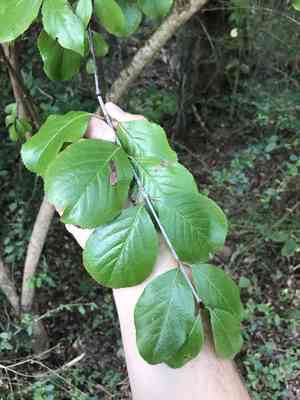
This deciduous bush, recognized for its deep blue fruit and lustrous crimson foliage in autumn, flourishes with careful trimming to preserve its inherent vase-like structure. Trim rusty blackhaw during late spring or early summer subsequent to blooming to eliminate deceased or intersecting limbs, and lightly sculpt. Reducing older stalks encourages revitalization and enhanced blossoms. Refrain from severe cutting, which could jeopardize the subsequent season's blooms, and uphold its attractive appearance for garden charm.
What Are the Benefits of Pruning Rusty Blackhaw?
What Are the Benefits of Pruning Rusty Blackhaw?
Trimming rusty blackhaw promotes abundant flowering and strengthens its resistance to pests and illnesses, leading to a more robust and vibrant specimen.
What Is the Best Time for Pruning Rusty Blackhaw?
What Is the Best Time for Pruning Rusty Blackhaw?
These periods are considered optimal for several key reasons. In late spring, rusty blackhaw has typically finished its blooming cycle, allowing gardeners to shape the plant without sacrificing the current year's flowers. Pruning at this time also helps conserve the plant's energy, enabling it to focus on new growth and recovery during the active growing season. Early summer pruning is also advantageous; it ensures that any cuts heal quickly due to the plant's vigorous growth and reduces the risk of disease infiltration. Furthermore, by early summer, it's easier to identify which parts of rusty blackhaw require pruning, as any potential winter damage is visible and the plant has fully leafed out. Trimming during these seasons encourages healthy development while preserving the plant's natural flowering and fruiting cycle.
What Tools Do I Need to Prune Rusty Blackhaw?
Hand Pruners
Perfect for removing small branches and precise cuts on rusty blackhaw.
Loppers
Better suited for cutting thicker branches that hand pruners cannot handle, typically up to 1.5 inches in diameter.
Pruning Saw
Essential for large branches exceeding 1.5 inches in diameter, ensuring clean cuts without harming rusty blackhaw.
Hedge Shears
Useful for shaping rusty blackhaw if it is being maintained as a hedge or for formal appearances.
Pole Pruner
Allows access to higher branches without needing a ladder, ensuring safety while trimming rusty blackhaw.
How to Prune Rusty Blackhaw
Step1: Timing Pruning to Optimize Plant Health
Choose the appropriate time of year for pruning rusty blackhaw, which is late winter or early spring before new growth starts. This timing helps prevent potential frost damage to fresh cuts and makes it easier to identify the sections to be trimmed.
Step2: Tool Sterilization Before Pruning
Clean and sanitize your pruning tools with a solution of 1 part bleach to 9 parts water to prevent the spread of diseases. Rinse the tools with clean water after sterilization.
Step3: Dead Wood Removal Technique
Begin by removing any dead wood. Identify dead branches by their brittle texture and darker color. Make cuts at a 45-degree angle, approximately 1/4 inch above a healthy bud or branch. Ensure the cut is clean and smooth to promote rapid healing.
Step4: Identifying and Pruning Diseased Branches
Inspect rusty blackhaw for any diseased branches, which may appear discolored, have unusual growths, or show signs of fungal infection. Remove these branches by cutting them off where they meet healthy wood. Dispose of diseased material properly to avoid contamination.
Step5: Thinning Out Old Growth for Better Airflow
Assess old growth to determine if thinning is necessary. If rusty blackhaw is becoming dense and airflow is reduced, thin out the oldest stems to improve light penetration and air circulation. Make thinning cuts at the base of the shrub to remove old stems entirely.
Step6: Natural Shaping and Avoidance of Over-Pruning
Shape rusty blackhaw by shortening overextended branches to maintain the plant's natural form. Avoid over-pruning or cutting too much of the shrub at once, as this can stress the plant. The goal is to enhance the natural shape rather than create a highly manicured appearance.
Step7: Proper Disposal of Pruned Plant Material
Dispose of all removed plant material away from your garden area to prevent any potential disease or pest issues. Composting is not recommended for diseased material.
Step8: Post-Pruning Tool Cleaning and Maintenance
After pruning, clean and sterilize your tools again to keep them ready for future use.
Step9: Observing Plant Health Post-Pruning
Monitor rusty blackhaw after pruning for signs of new growth and health. Correct pruning can encourage healthier, more robust growth in the seasons to come.
Post-Pruning Care for Rusty Blackhaw
Post-Pruning Care for Rusty Blackhaw
Immediately after trimming rusty blackhaw, ensure clean cuts to aid healing. Optimize light exposure by placing rusty blackhaw in filtered sunlight to prevent stress. Maintain moderate humidity and avoid extreme temperatures. Post-pruning, apply a balanced fertilizer to assist recovery. Regularly check for wilting or discoloration as indicators of stress or infection. If detected, adjust care and consult an expert. Adequate watering is vital, but prevent waterlogging. Follow these steps for rusty blackhaw's vigorous regrowth.
Common Pruning Mistakes with Rusty Blackhaw
Excessive Pruning and Sucker Growth Stress
Over-trimming rusty blackhaw by removing more than one-third of the plant in a single season can lead to stress and excessive sucker growth.
Ignoring Dead or Diseased Branch Removal
Neglecting to remove dead, damaged, or diseased branches, which can harbor pests and diseases, negatively impacting rusty blackhaw's overall health.
Using Dull/Dirty Tools Causes Jagged Cuts
Using dull or dirty pruning tools, which can cause jagged cuts that are more vulnerable to disease and may hinder the healing process of rusty blackhaw.
Unplanned Pruning Leading to Unnatural Shapes
Pruning without a clear objective, resulting in an unnatural shape or the accidental removal of potential flower buds on rusty blackhaw.
No Tool Sanitization Spreads Disease
Failing to sanitize pruning tools between cuts when rusty blackhaw shows signs of disease, potentially spreading pathogens to healthy parts of the plant.
Common Pruning Tips for Rusty Blackhaw
Remove Dead/Damaged Branches First
Begin by removing any branches that are dead, damaged, or diseased, cutting back to a healthy section to promote the well-being of rusty blackhaw.
Cut Above Bud at 45-Degree Angle
Make clean cuts at a 45-degree angle just above a bud facing the outside of the plant to encourage outward growth and good air circulation for rusty blackhaw.
Periodically Rejuvenate with Old Stem Removal
For mature rusty blackhaw plants, periodically remove older stems to rejuvenate the plant and encourage new growth, which will also enhance flowering.
Maintain Natural Plant Shape During Pruning
When shaping rusty blackhaw, follow its natural habit to maintain its aesthetic and health, rather than trying to impose an unnatural form.
Sterilize Tools to Prevent Disease Spread
Sterilize pruning tools with rubbing alcohol or a 10% bleach solution before and after pruning rusty blackhaw to minimize the risk of spreading diseases.
Selective Thinning for Better Light and Air Flow
Prune rusty blackhaw selectively to thin out crowded areas, which helps improve light penetration and air flow, reducing the likelihood of fungal infections.



