How to Prune Japanese snowball?
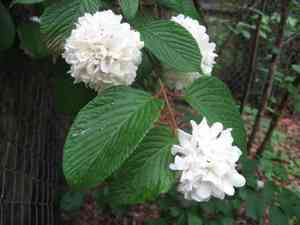
Celebrated for its tiered, lacecap blossoms, japanese snowball flourishes with regular trimming. Remove aged, excessively long branches at their origin for revitalization. Perform a light trim following the blooming period to preserve its form. The ideal time is early spring, prior to the emergence of new foliage. Pruning stimulates robust new stems, improving flowering and foliage density. Refrain from extensive cutting to prevent flower reduction, as japanese snowball produces flowers on mature wood.
What Are the Benefits of Pruning Japanese Snowball?
What Are the Benefits of Pruning Japanese Snowball?
Trimming japanese snowball promotes robust development and maintains its desired form, ensuring an attractive display of blossoms and a manageable plant size.
What Is the Best Time for Pruning Japanese Snowball?
What Is the Best Time for Pruning Japanese Snowball?
Trimming japanese snowball in early spring is beneficial as it coincides with its dormant phase when the plant is not actively growing. This timing allows gardeners to shape the plant and remove any dead or damaged wood without jeopardizing the health of japanese snowball. Furthermore, since japanese snowball blooms on old wood, pruning at this time ensures that the upcoming season's growth and flowering potential are not compromised. The removal of any diseased or misplaced branches at this point can also prevent potential issues during the growing season, fostering overall plant vitality and aesthetic appeal.
What Tools Do I Need to Prune Japanese Snowball?
Hand Pruners
For precise, clean cuts on young shoots and thinner branches of japanese snowball, minimizing damage to plant tissues.
Loppers
Ideal for reaching deeper or higher branches with greater leverage to cut through branches thicker than those manageable by hand pruners.
Pruning Saw
Essential for cutting through the oldest and thickest branches where loppers cannot make the cut without harming japanese snowball.
Hedge Shears
Useful for shaping japanese snowball when aiming for a formal look or when performing rejuvenation pruning on overgrown specimens.
Gloves
To protect the gardener's hands from scratches and improve grip on tools while working on japanese snowball.
Pruning Sealer
Though not strictly a tool, it is sometimes used to protect large cuts from diseases after pruning japanese snowball. However, its necessity is debated, and many experts recommend allowing cuts to heal naturally.
How to Prune Japanese Snowball
Step1: Identify Plant Parts for Pruning
Locate the old flowers, dead wood, and spent blooms on japanese snowball. These are the sections of the plant that will require trimming. Look for flowers that are no longer blooming, branches showing no signs of green growth, and blooms that have faded and are no longer visually appealing.
Step2: Sterilize Pruning Tools
Sanitize your pruning shears or scissors before you begin trimming japanese snowball. This prevents the spread of disease among your plants. You can sterilize your tools with rubbing alcohol or a household disinfectant.
Step3: Prune After Flowering
Start pruning japanese snowball immediately after it flowers to encourage better blooming next season. For japanese snowball, this typically means late spring or early summer, after the blooms have faded but before new buds have formed.
Step4: Trim Spent Blooms for Reblooming
Remove old flowers and spent blooms by cutting them back to the first set of leaves below the bloom. This encourages japanese snowball to produce more flowers and can help maintain an attractive shape. Make your cuts at a 45-degree angle, which will aid in water runoff and prevent disease.
Step5: Remove Dead Wood Safely
Trim dead wood by making clean cuts close to the base of japanese snowball or at its point of origin from a primary branch. Do not leave stubs, as they can be entry points for pests or disease. Ensure cuts are made on live wood just outside the branch collar (the swollen area where the branch meets the stem) to promote proper healing.
Step6: Shape Plant Conservatively
Assess the overall form of japanese snowball. If minor shaping is needed, selectively trim branches to maintain the naturally rounded shape of japanese snowball. Avoid severe pruning as it can harm the plant. It’s best to limit shaping to no more than one-third of the total foliage in a single season.
Step7: Clean Up Pruning Debris
After pruning, clear any fallen debris from around the base of japanese snowball to prevent fungal diseases. Disinfect your pruning tools again before storing them or using them on another plant.
Step8: Water Plant Post-Pruning
Water japanese snowball generously after pruning to help it recover from the stress of cutting. If pruning occurs during a dry period, ensure japanese snowball receives adequate water to prevent drought stress.
Step9: Monitor Plant for New Growth
Observe japanese snowball for signs of new growth and flower bud development post-pruning. This will indicate the health of japanese snowball and the success of your pruning methods. Adjust pruning techniques in subsequent seasons based on japanese snowball's responses for optimal health and bloom production.
Post-Pruning Care for Japanese Snowball
Post-Pruning Care for Japanese Snowball
Immediately after trimming japanese snowball, water the plant thoroughly to reduce stress. Provide filtered sunlight and maintain moderate humidity to aid recovery. Adjust temperature to avoid extremes, as japanese snowball thrives in stable conditions. Within a month, apply a balanced fertilizer to support new growth. Monitor japanese snowball for wilted or yellowing leaves, which could indicate stress or infection. If such signs appear, check for proper soil moisture and signs of pests or diseases, and address promptly with appropriate treatments.
Common Pruning Mistakes with Japanese Snowball
Using Dirty or Dull Tools
Not using clean, sharp tools can introduce diseases to japanese snowball or result in jagged cuts that harm the plant.
Excessive Foliage Removal
Over-pruning japanese snowball by removing too much foliage at once can stress the plant, hinder its growth, or reduce flowering.
Ignorant Cutting Practices
Cutting japanese snowball indiscriminately without understanding the plant's growth pattern can lead to poor shaping and less-than-ideal bloom production.
Pruning Without Health Assessment
Pruning without first assessing the plant's overall health and structure can result in unnecessary removal of healthy growth.
Common Pruning Tips for Japanese Snowball
Remove Diseased or Dead Branches
Focus on removing diseased, damaged, or dead branches from japanese snowball to maintain plant health and aesthetics.
Prune Above Nodes for Directed Growth
Cut just above a node or bud that faces the direction you want new growth to take, ensuring clean, slanted cuts that encourage water runoff.
Improve Airflow with Thinning
Thin out the center of japanese snowball to improve air circulation and light penetration, which supports healthy growth and reduces disease risks.
Selective Cuts for Balanced Shape
Make selective cuts to shape japanese snowball, focusing on maintaining a balanced, tiered appearance characteristic of the species.
Avoid Stubs by Pruning to Branches or Buds
When shortening branches, cut back to a side branch or bud to avoid leaving stubs that can decay and invite pests or diseases.



