How to Prune American Cranberry Bush?
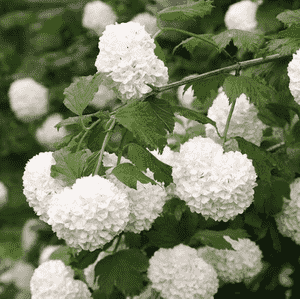
A deciduous shrub recognized for its spherical flower groupings and crimson fruit, the american Cranberry Bush thrives with trimming to preserve its form and stimulate vigorous development. Essential methods involve eliminating deceased or intersecting branches and reducing older stalks to improve air movement. The most effective time for pruning is in early spring, immediately following the plant's display of fresh growth, which boosts blooming and fruit production. Refrain from making extensive cuts to retain its inherent structure, as judicious cuts cultivate a more thriving, resilient plant.
What Are the Benefits of Pruning American Cranberry Bush?
What Are the Benefits of Pruning American Cranberry Bush?
Trimming american Cranberry Bush promotes robust development by eliminating old or lifeless wood, ensuring the plant keeps a healthy, compact form. This specific care leads to a denser, more flower-rich shrub.
What Is the Best Time for Pruning American Cranberry Bush?
What Is the Best Time for Pruning American Cranberry Bush?
Pruning american Cranberry Bush in early spring aligns with its dormant phase just as it prepares for a new growth cycle. This timing prevents undue stress on american Cranberry Bush, allows for the removal of any winter damage, and facilitates healthy new shoots. It also avoids cutting off developing flower buds, which form on old wood, thereby ensuring american Cranberry Bush can maintain its flowering and fruiting capacity in the subsequent season. Furthermore, pruning at this time reduces the risk of disease infection, as many pathogens are less active in cooler weather.
What Tools Do I Need to Prune American Cranberry Bush?
Hand Pruners
Perfect for making precise cuts on american Cranberry Bush's smaller branches and twigs during shaping or thinning. Opt for bypass pruners for clean cuts that encourage healthier regrowth.
Loppers
Suitable for cutting thicker branches of american Cranberry Bush up to approximately 2 inches in diameter. Their extended handles provide leverage for easier cutting.
Pruning Saw
Essential for removing mature or larger branches that hand pruners and loppers cannot manage. A folding saw with sharp teeth can cut through branches over 2 inches thick.
Hedge Shears
Useful for american Cranberry Bush when creating a formal hedge or for shaping the outermost growth. Only for use on soft, green, non-woody stems.
Pole Pruner
Helpful for reaching higher branches of american Cranberry Bush without needing a ladder, ensuring safety while trimming taller specimens.
Gloves
To safeguard your hands while pruning american Cranberry Bush, as its branches may have rough edges or potentially cause skin irritation.
Cleaning Materials
Cleaning tools after pruning american Cranberry Bush is vital to prevent disease spread. Use a bleach or alcohol solution to disinfect the blades.
How to Prune American Cranberry Bush
Step1: Timely Seasonal Pruning
Wait for the appropriate pruning period, which for american Cranberry Bush is late winter or early spring before new growth begins. Avoid pruning when the bush is dormant in mid-winter or when it's flowering unless removing dead or damaged wood.
Step2: Tool Preparation and Sterilization
Prepare clean and sharp pruning tools. For old wood and larger branches, use loppers or saws, and for smaller stems or suckers, use hand pruners. Disinfect tools before use to prevent disease spread.
Step3: Old Wood Identification
Assess the form and structure of american Cranberry Bush. Identify which branches constitute old wood, noting that these will be thicker and may have a different color or texture compared to newer growth.
Step4: Deadwood and Damage Removal
Carefully remove any dead, diseased, or damaged stems first. Make cuts at a 45-degree angle just above a healthy bud or node to encourage proper healing and growth. Always cut back to live wood, even if it means removing large portions of a branch.
Step5: Old Growth Reduction
Prune up to one-third of the old wood to rejuvenate american Cranberry Bush. These cuts should be made at varying lengths to foster a natural-looking shrub rather than a uniformly sheared hedge. Aim to remove older stems that show signs of reduced flowering or vigor.
Step6: Sucker Removal
Identify suckers, which are vigorous vertical shoots growing from the base or roots of american Cranberry Bush. Cut suckers at ground level or as close to their point of origin as possible to maintain a tidy appearance and prevent american Cranberry Bush from becoming too bushy.
Step7: Center Thinning for Health
Thin out the center of american Cranberry Bush if it's becoming overcrowded. Remove some of the older crisscrossing branches to improve air circulation and light penetration, which are crucial for the health and flowering of american Cranberry Bush.
Step8: Shaping and Natural Form Maintenance
Shape american Cranberry Bush by selectively pruning branches to maintain its natural form. Avoid excessive cutting which can spur too much new growth at the expense of flowers and fruit.
Step9: Pruning Debris Disposal
After pruning, clear away all trimmings to reduce the chance of disease and pests. Dispose of or compost any healthy clippings and discard diseased material off-site.
Step10: Post-Pruning Care and Recovery
Keep american Cranberry Bush well-watered and mulched following pruning to help it recover and thrive. If a heavy prune was required, consider a balanced fertilizer to support new growth.
Post-Pruning Care for American Cranberry Bush
Post-Pruning Care for American Cranberry Bush
Immediately after pruning american Cranberry Bush, ensure it is thoroughly watered to reduce stress. Optimize environmental conditions, maintaining partial to full sunlight exposure, stable humidity, and temperate conditions. After pruning, apply a balanced, slow-release fertilizer to support american Cranberry Bush's recovery and growth. Regularly inspect the pruned areas for signs of infection or dieback—treat promptly with fungicides or insecticides if needed. Vigilant monitoring of american Cranberry Bush's post-pruning response is crucial for its health and vitality.
Common Pruning Mistakes with American Cranberry Bush
Excessive Pruning: Stress and Growth Impact
Over-trimming american Cranberry Bush, which can stress the plant and lead to poor growth or reduced flowering.
Ignoring Dead or Diseased Branches: Disease Spread
Failing to remove dead or diseased wood, which can lead to the spread of diseases and pests within american Cranberry Bush.
Dull or Dirty Tools: Branch Damage and Disease
Using dull or unclean pruning tools, which can cause damage to the branches and potentially introduce disease to american Cranberry Bush.
Improper Cuts: Plant Healing Hindrance
Making incorrect cuts or cutting too close to the main stem, which can harm american Cranberry Bush and impede its natural healing process.
Goalless Pruning: Misshapen Plant and Bud Loss
Pruning without a clear objective, which can result in a misshapen american Cranberry Bush or the removal of too much foliage and bud sites.
Common Pruning Tips for American Cranberry Bush
Sharp Tools: For Quick Healing Cuts
Use sharp, clean pruning shears or loppers to make clean cuts that american Cranberry Bush can heal from quickly and efficiently.
Thinning Old Stems: For New Growth
Prune american Cranberry Bush by thinning out older stems to ground level to encourage new growth and maintain a balanced framework.
Angled Cuts Above Buds: Directing Outward Growth
Make angled cuts just above a bud facing the outside of the plant to direct the new growth outward and ensure proper air circulation within american Cranberry Bush.
Remove Dead Branches: Health and Aesthetics
Regularly remove any dead or diseased branches to maintain the health and aesthetic appeal of american Cranberry Bush.
Natural Vase Shape: Light Penetration and Balanced Growth
When shaping american Cranberry Bush, focus on creating a natural, vase-shaped profile, which allows light into the center of the plant and promotes balanced growth.



