How to Prune Smooth witherod?
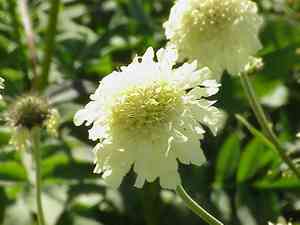
A prominent indigenous shrub, smooth witherod is valued for its lustrous foliage and berry clusters. To preserve its vitality and form, trim immediately following blooming to prevent severing the subsequent year's buds. Early springtime is perfect for excising deceased or frail branches, and for thinning to boost air movement. Trimming encourages fresh development, boosts fruit yield, and wards off ailments. Bear in mind, a gentle approach is crucial to encourage organic, attractive growth in smooth witherod.
What Are the Benefits of Pruning Smooth Witherod?
What Are the Benefits of Pruning Smooth Witherod?
Regular trimming of smooth witherod encourages robust development and preserves its intended shape, ensuring the plant stays strong and visually appealing.
What Is the Best Time for Pruning Smooth Witherod?
What Is the Best Time for Pruning Smooth Witherod?
Trimming smooth witherod in early spring is recommended as it coincides with the plant's dormant phase, which typically concludes as temperatures begin to rise. During this period, smooth witherod has not yet committed energy to new growth, making it less vulnerable to stress from pruning. Furthermore, pruning before new growth emerges allows gardeners to better sculpt the plant and remove any dead or damaged wood resulting from winter conditions. Early spring pruning also helps prevent the removal of flower buds, which are set to bloom in summer, thereby ensuring smooth witherod's seasonal decorative value is maintained. Additionally, the healing process is quicker at this time, as the plant will soon direct energy into new growth, rapidly sealing pruning wounds and reducing the risk of disease or pest infestation.
What Tools Do I Need to Prune Smooth Witherod?
Hand Pruners or Secateurs
Perfect for severing small branches and stems on smooth witherod up to 1 inch in diameter, providing clean, precise cuts.
Loppers
Ideal for larger branches between 1 and 2 inches thick that are too substantial for hand pruners, offering improved leverage and reach.
Pruning Saw
Essential for branches exceeding 2 inches in diameter, capable of cutting through thicker growth without harming smooth witherod.
Hedge Shears
Useful for shaping smooth witherod if it is cultivated as a hedge, making straight, even cuts across multiple small stems simultaneously.
Gloves
Crucial for safeguarding hands from scratches and cuts while trimming smooth witherod.
Pruning Stool or Kneeler
Offers comfort and lessens strain when pruning lower branches of smooth witherod.
How to Prune Smooth Witherod
Step1: Identify Dead and Diseased Wood
Examine smooth witherod for indications of dead wood and ailing branches. This can be identified by branches that are non-viableâlacking leaves in the growing seasonâor exhibit visible damage, discoloration, and decay.
Step2: Select and Sterilize Pruning Tools
Choose the appropriate pruning implements for smooth witherod, such as sharp, clean bypass pruners for smaller branches and a saw for larger limbs. Disinfect the tools with rubbing alcohol or a 10% bleach solution to prevent the spread of pathogens.
Step3: Timing for Dormant Season Pruning
Begin trimming smooth witherod during its dormancy in late winter or early spring before new growth commences. This timing helps to avoid pest issues and allows for easier identification of which branches need to be removed.
Step4: Angled Cuts Above Healthy Buds
To remove dead wood from smooth witherod, make accurate cuts at a slight angle, approximately 1/4 inch above a healthy bud or branch junction. This placement encourages proper healing and regrowth.
Step5: Undercut Technique for Large Branches
For larger dead branches on smooth witherod, first make an undercut about one-third into the branch a few inches from its point of attachment. Then, cut from the top down to meet the initial cut. This prevents the bark from tearing and creating larger wounds.
Step6: Cutting Back Diseased Branches
Remove diseased branches from smooth witherod by cutting back to healthy tissue. Cut at least a few inches into the healthy portion to ensure that all infected parts are eliminated.
Step7: Dispose of Diseased Cuttings Safely
After removing diseased branches from smooth witherod, promptly discard them away from healthy plants to prevent spreading the disease. Do not compost diseased materials.
Step8: Clean Up Rough Stubs and Cuts
Check for any stubs or uneven cuts on smooth witherod and clean them up with an additional cut to prevent water accumulation and promote better healing.
Step9: Disinfect Tools Post-Pruning
Finish by cleaning your tools again with disinfectant to prevent cross-contamination before storing or using on another plant.
Step10: Monitor Plant for Post-Pruning Health
Monitor smooth witherod for signs of recovery and regrowth throughout the growing season, paying special attention to the pruned areas for possible signs of disease or pest issues.
Post-Pruning Care for Smooth Witherod
Post-Pruning Care for Smooth Witherod
Immediately after trimming smooth witherod, ensure clean cuts to aid healthy recovery. Place smooth witherod in partial shade, maintaining moisture without waterlogging, and safeguard a consistent temperature. Implement a balanced fertilizer to support regrowth, avoiding excessive nitrogen. Regularly inspect the pruning sites for disease or distress, with prompt intervention if abnormalities appear. Maintain these conditions with vigilance for robust post-pruning growth.
Common Pruning Mistakes with Smooth Witherod
Over-pruning stress and health reduction
Trimming too much at once, which can stress smooth witherod and may lead to poor plant health or reduced flowering. It's important not to remove more than one-third of the plant in a single pruning session.
Damage from dull or contaminated tools
Using dull or dirty pruning tools, which can damage the branches of smooth witherod and introduce diseases. Always use sharp, clean tools for clean cuts.
Unclear objectives leading to improper pruning
Pruning without a clear objective, resulting in an undesirable plant shape or size, or accidentally removing new buds or growth, can negatively impact the aesthetic and vigor of smooth witherod.
Harmful tearing instead of clean cuts
Tearing or ripping stems instead of cutting them cleanly, which can cause unnecessary injury to smooth witherod and may invite pests and diseases.
Delayed removal of diseased or damaged wood
Neglecting to remove diseased or damaged wood promptly, which can hinder the overall health and appearance of smooth witherod.
Common Pruning Tips for Smooth Witherod
Removing dead or unhealthy wood first
Start by removing any dead, diseased, or damaged wood from smooth witherod. This is crucial for maintaining the health and appearance of the plant.
Thinning older stems to foster new growth
Thin out older stems to encourage new growth and improve air circulation within smooth witherod. This can also enhance the plant's natural form.
45-degree angle cuts for healthy regrowth
Cut stems at a 45-degree angle just above a set of leaves or a bud to promote healthy regrowth and discourage water collection on the cut surface.
Fertilizing after pruning for recovery
After pruning, apply a balanced fertilizer to provide smooth witherod with the necessary nutrients to recover and thrive.
Pruning to maintain natural plant shape
Maintain the natural shape of smooth witherod by following its original growth pattern when cutting, rather than trying to force it into an unnatural form.
Managing new growth post-pruning
Keep an eye on new growth after pruning and selectively pinch or trim new shoots to maintain the desired shape and size of smooth witherod.
Using sterilized pruning tools to prevent disease
Use clean cuts and sterilize your tools before and after pruning to prevent the spread of disease.



