How to Prune Hobble-Bush?
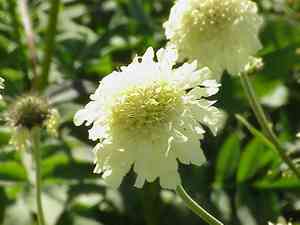
This leaf-shedding bush, recognized for its expansive, cordate foliage and level-topped groupings of white blossoms, flourishes in shaded, woodland settings. Essential trimming methods for hobble-Bush involve reducing older branches to stimulate fresh development and excising any impaired or ailing timber. The most suitable period for pruning is in early spring, prior to the emergence of new shoots. Trimming hobble-Bush improves air movement and light access, which are crucial for sustaining the plant's robustness and boosting its flowering.
What Are the Benefits of Pruning Hobble-bush?
What Are the Benefits of Pruning Hobble-bush?
Trimming hobble-Bush helps maintain its form and encourages robust development, crucial for the plant's well-being and visual appeal.
What Is the Best Time for Pruning Hobble-bush?
What Is the Best Time for Pruning Hobble-bush?
Pruning hobble-Bush in early spring is beneficial because the plant is still dormant, reducing the risk of stress or disease at cut sites. This timing allows for the removal of winter damage and shaping before rapid growth begins. It also prevents cutting off flower buds, which formed the previous season, ensuring the beautiful blossoms and ornamental value of hobble-Bush are not negatively affected. Early spring pruning also gives hobble-Bush ample time to heal and produce new growth that will mature throughout the season.
What Tools Do I Need to Prune Hobble-bush?
Hand Pruners
Ideal for hobble-Bush's smaller stems and branches, typically under 0.5 inches in diameter. Hand pruners offer precision and are easier to handle for shaping the shrub.
Lopping Shears
Perfect for cutting through hobble-Bush's thicker branches, up to approximately 1.5 inches in diameter. They provide greater leverage and reach than hand pruners, useful for larger limbs.
Pruning Saw
Essential for hobble-Bush's mature branches that exceed the capacity of hand pruners and lopping shears. A pruning saw can manage diameters over 1.5 inches, important for removing old or dead growth.
Hedge Shears
Applicable for hobble-Bush if creating a formal hedge or for general trimming. They facilitate shaping and managing the foliage density.
Gardening Gloves
Crucial for protecting hands from thorns and rough branches while pruning hobble-Bush. Gloves ensure safety and comfort, enabling more precise work.
Pruning Sealer
Helpful for applying to large cuts on hobble-Bush to aid healing and prevent disease. While not strictly necessary, it can be advantageous for maintaining plant health.
How to Prune Hobble-bush
Step1: Timing for Pruning
Determine the optimal time for pruning hobble-Bush, which is late winter or early spring before new growth starts. This timing helps avoid cutting off flower buds and promotes better healing of cuts.
Step2: Tool Sanitization
Sanitize your pruning tools before starting and between different plants to prevent disease spread. Use a solution of 1 part bleach to 9 parts water to disinfect blades.
Step3: Remove Dead or Damaged Canes
Begin by removing any dead, diseased, or damaged canes. Cut these back to a healthy part of the stem, ensuring the cut is made at a 45-degree angle just above a bud or branching point to encourage proper healing and new growth.
Step4: Prune Non-Productive Old Wood
Identify old wood that is no longer producing vigorous growth or flowers. Prune these canes back to a lower point of young wood, making sure the cut is just above an outward-facing bud to direct new growth away from the center of hobble-Bush.
Step5: Shaping and Thinning
Shape hobble-Bush by selectively thinning out overgrown areas. Remove some of the oldest stems near the base to improve air circulation and light penetration, encouraging new shoots to develop from the base.
Step6: Create an Open Framework
When cutting the old wood, aim to create a balanced, open framework that allows light into the center of the shrub. This helps to invigorate hobble-Bush and stimulates healthy, robust growth.
Step7: Clean-up and Debris Removal
After pruning, clean up all clippings and debris from around the base of hobble-Bush to mitigate the risk of pests and diseases. Dispose of or compost the healthy trimmings, but destroy any diseased material.
Step8: Post-Pruning Monitoring
Monitor hobble-Bush after pruning for signs of new growth and health. Adjust your pruning technique the following year if necessary, to maintain the desired shape and size of the plant.
Post-Pruning Care for Hobble-bush
Post-Pruning Care for Hobble-bush
Ensure clean cuts to prevent infection. Place hobble-Bush in dappled sunlight, maintaining consistent humidity without waterlogging. Moderate temperatures are ideal. Apply balanced fertilizer sparingly to avoid overfeeding. Monitor hobble-Bush for wilt, discoloration, or pests, indicating stress or disease. If symptoms appear, promptly treat with appropriate fungicides or insecticides, following label directions. Regular inspection will facilitate timely intervention and promote recovery.
Common Pruning Mistakes with Hobble-bush
Over-pruning
Trimming too aggressively, which can remove too much of the plant and stress or damage hobble-Bush.
Using Dull or Dirty Tools
Employing dull or unclean tools that can make rough cuts and introduce disease to hobble-Bush.
Pruning Without Purpose
Trimming without a clear objective, resulting in indiscriminate cutting that can lead to poor shape and reduced vitality of hobble-Bush.
Ignoring Dead/Diseased Wood
Failing to remove dead or diseased wood, which can hinder hobble-Bush's growth and health.
Disregarding Plant's Natural Shape
Not considering the natural form of hobble-Bush when pruning, which can result in a less aesthetically pleasing appearance.
Common Pruning Tips for Hobble-bush
Sharp, Clean Shears Usage
Utilize sharp, clean pruning shears to make precise cuts that promote quick healing for hobble-Bush.
Selective Pruning of Dead/Damaged Branches
Remove only the necessary parts of hobble-Bush, focusing on dead, damaged or diseased branches, as well as any that are crossing or rubbing against each other.
Adhering to Plant's Natural Form
Follow the natural form of hobble-Bush to maintain its characteristic appearance; this promotes a balanced shape and healthy growth habits.
Thinning for Light and Air Circulation
Thin out the interior of hobble-Bush if necessary to increase light penetration and air circulation, which can help prevent disease and promote a stronger structure.
Angular Cuts for Water Runoff
Make cuts at a slight angle, away from the bud or branch to encourage proper water runoff and prevent disease accumulation in hobble-Bush.
Post-Pruning Tool Cleaning
After pruning, clean all tools thoroughly to prevent the spread of disease to other plants or future growth of hobble-Bush.
Pruning with Clear Objectives
Evaluate hobble-Bush before pruning to identify specific goals, whether itâs shaping, rejuvenating, or simply maintaining plant health.



