How to Prune Koreanspice viburnum?
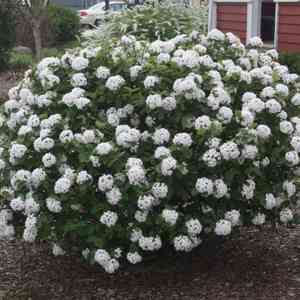
This deciduous shrub, prized for its aromatic pinkish-white blossoms, thrives when trimmed in the early spring. To ensure peak vitality and a spectacular floral show, employ thinning cuts annually to eliminate several of the most mature stems at their base. This practice stimulates fresh development and preserves an appealing form. Removing faded blooms can also encourage a fuller plant. Refrain from pruning late in the growing period to safeguard the following year's buds, which emerge on established wood.
What Are the Benefits of Pruning Koreanspice Viburnum?
What Are the Benefits of Pruning Koreanspice Viburnum?
Trimming koreanspice viburnum stimulates development and maintains its desired structure. Proper cutting promotes a more compact habit and can result in a more abundant floral display.
What Is the Best Time for Pruning Koreanspice Viburnum?
What Is the Best Time for Pruning Koreanspice Viburnum?
This period is considered ideal as it allows gardeners to shape the plant and remove any dead or damaged wood without risking disruption to the koreanspice viburnum's flowering cycle. Pruning in early spring leverages the plant's dormant phase and encourages robust growth as temperatures rise. Furthermore, since koreanspice viburnum blooms on old wood, pruning after flowering would eliminate the current year's blossoms. Adhering to this early spring schedule will ensure the plant's vitality and plentiful flowers in the subsequent season.
What Tools Do I Need to Prune Koreanspice Viburnum?
Hand Pruners
Koreanspice viburnum is a deciduous shrub that may require the removal of dead or damaged branches, as well as shaping and size maintenance. Hand pruners, also known as secateurs, are ideal for cutting stems and branches up to ¾ inch in diameter, making them perfect for precise cuts on koreanspice viburnum.
Loppers
When dealing with thicker branches on koreanspice viburnum, which may be up to 1½ inches in diameter, loppers provide the necessary leverage and reach. This tool will handle the moderate-sized branches without causing damage to the plant.
Pruning Saw
For the oldest and thickest branches of koreanspice viburnum that exceed the capacity of hand pruners and loppers, a pruning saw is required. Its sharp teeth make it suitable for clean cuts on branches over 1½ inches in diameter, preventing tearing and ensuring healthy regrowth.
Gardening Gloves
While tending to koreanspice viburnum, it's important to protect your hands from scratches and potential sap that may irritate the skin. Gardening gloves are an essential tool for safety during the pruning process.
Disinfectant
Before and after pruning koreanspice viburnum, disinfecting the pruning tools helps prevent the spread of diseases between plants. A simple solution like isopropyl alcohol or a 10% bleach solution can be used to wipe the blades.
How to Prune Koreanspice Viburnum
Step1: Assess plant health and timing for pruning
Sanitize pruning tools with a 10% bleach solution or alcohol wipe to prevent the spread of diseases and pests.
Step2: Sterilize pruning tools
Start by removing any dead wood. Locate dead branches, which will be brittle, lack leaves, and may have peeling bark. Using sharp bypass pruners, cut these dead branches back to the base, making sure not to damage the surrounding healthy tissue.
Step3: Remove dead branches
Prune old flowers after they have faded. Deadhead spent blooms by snipping them off right below the flower head. This encourages new plant growth and potentially more blooms in the following season.
Step4: Deadhead old flowers
Identify any diseased sections including branches with unusual markings or growths. Remove them cutting back to healthy tissue to prevent further infection.
Step5: Cut out diseased branches
Shape the koreanspice viburnum if necessary, by selectively trimming back overgrown sections. Aim to maintain its natural shape by following the branch's contour and cut just above a growth node or bud that faces the direction you want the new branch to grow.
Step6: Shape the plant
Thin out the koreanspice viburnum's interior to improve air circulation. Make cuts at the base of selected older, crowded branches. This promotes healthy growth and reduces the risk of disease.
Step7: Thin for better air circulation
Clean up all cuttings and fallen leaves from around the base of the koreanspice viburnum to discourage pests and fungal diseases.
Step8: Dispose of pruning debris
After pruning, water the koreanspice viburnum well and consider applying a balanced slow-release fertilizer to support recovery and new growth.
Post-Pruning Care for Koreanspice Viburnum
Post-Pruning Care for Koreanspice Viburnum
Immediately after pruning koreanspice viburnum, water thoroughly to reduce transplant shock. Place koreanspice viburnum in a spot with dappled sunlight, maintaining a consistent humidity level, avoiding extremes. Initiate a balanced fertilizer regimen to promote healing and new growth, starting one month post-pruning. Regularly inspect koreanspice viburnum for signs of stress, such as wilted leaves or discolored bark, which could indicate disease or pest issues. If symptoms are present, treat promptly with appropriate horticultural methods.
Common Pruning Mistakes with Koreanspice Viburnum
Over-Pruning Shocks Plants
Pruning koreanspice viburnum too severely can shock the plant and reduce its flowering potential. Removing more than a third of the plant in one session is typically excessive.
Damaging Branches with Dull Tools
Using dull or dirty pruning tools can damage koreanspice viburnum's branches and increase the risk of disease. Clean cuts are crucial for plant health.
Omitting Dead Wood Removal
Neglecting to remove dead or diseased wood during pruning can lead to persistent problems and inhibit koreanspice viburnum's growth and appearance.
Incorrect Cutting Distance From Nodes
Cutting right above or very close to a node can result in stubs that are susceptible to pests and diseases. It's important to cut at a proper distance above the bud.
Disregarding Plant's Natural Shape
Ignoring the natural shape of koreanspice viburnum can lead to an unnatural appearance and hinder its growth pattern. Following the plant's form is key for a pleasing aesthetic.
Common Pruning Tips for Koreanspice Viburnum
Sterilize Tools to Prevent Disease
Sterilize pruning tools before and after use to prevent the spread of disease. Clean cuts will help koreanspice viburnum recover faster and remain healthy.
Proper Angle and Distance for Cutting
Make cuts at a 45-degree angle about 1/4 inch above a bud facing the outside of the plant. This encourages outward growth and prevents water accumulation that can lead to disease.
Thinning for Better Light and Air Flow
When thinning koreanspice viburnum, remove only the necessary branches to improve light penetration and air circulation. This will boost the plant's overall health and flowering capability.
Pruning Leggy Branches for Shape
Target leggy or overly long branches for pruning to maintain koreanspice viburnum's shape and encourage denser growth.
Using Correct Pruning Tool for Branch Size
Use hand pruners for small branches and loppers for thicker growth. Ensuring you use the right tool for the job preserves the integrity of the plant's stems.



