How to Prune Mapleleaf viburnum?
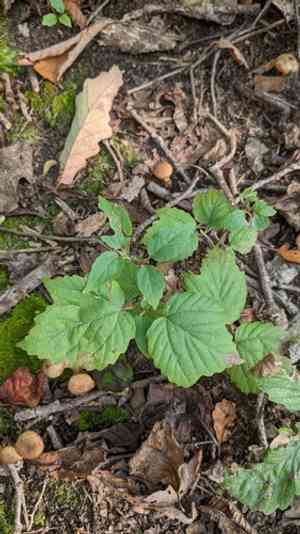
This leaf-shedding bush, distinguished by its maple-like foliage and autumn hues, thrives with judicious thinning to foster air movement and light access. Trim mapleleaf viburnum during late spring or early summer following its blooming period to preserve its form and stimulate fresh development. Eliminate aged, frail, or intersecting branches to boost vitality and visual appeal. Timely pruning guarantees negligible interference with flowering and facilitates recuperation throughout the cultivation period.
What Are the Benefits of Pruning Mapleleaf Viburnum?
What Are the Benefits of Pruning Mapleleaf Viburnum?
Trimming mapleleaf viburnum stimulates blooming, strengthens resistance to pests and illnesses, and sustains its vitality, ensuring an attractive and robust shrub.
What Is the Best Time for Pruning Mapleleaf Viburnum?
What Is the Best Time for Pruning Mapleleaf Viburnum?
In late spring, mapleleaf viburnum has finished its spring growth spurt, making it simpler to identify and remove superfluous or overgrown branches without stressing the plant. Early summer pruning coincides with the period after mapleleaf viburnum has bloomed, allowing gardeners to shape the plant without significantly affecting the subsequent year's flowers. Pruning during these seasons prevents the removal of buds set for the next bloom and ensures the plant has ample time to recover before winter's arrival. Thus, these periods optimize the plant's health, visual appeal, and flowering potential.
What Tools Do I Need to Prune Mapleleaf Viburnum?
Hand Pruners
Perfect for making precise cuts on live tissue and detailed trimming, hand pruners are suitable for cutting stems up to 3/4 inches thick on mapleleaf viburnum.
Lopping Shears
Ideal for reaching thicker branches, typically up to 1.5 inches in diameter, that hand pruners cannot manage, without harming mapleleaf viburnum's structure.
Pruning Saw
Useful for cutting through branches exceeding 1.5 inches in thickness, enabling gardeners to shape mapleleaf viburnum and remove larger, mature stems with clean cuts.
Hedge Shears
Effective for shaping mapleleaf viburnum when creating hedges or formal designs, these shears allow for trimming and shaping multiple small stems simultaneously.
How to Prune Mapleleaf Viburnum
Step1: Timing & Season for Pruning
Determine the appropriate time to prune mapleleaf viburnum, which is typically in late winter or early spring before new growth begins.
Step2: Inspecting and Marking Old Growth
Examine mapleleaf viburnum for old growth, identifiable by thicker, older stems and branches that may have less foliage or flowers. Mark the stems you intend to prune for better visibility.
Step3: Tool Sanitization and Sharpening
Sanitize pruning tools with isopropyl alcohol or a 10% bleach solution to prevent disease spread. Ensure tools are sharp, as dull blades can cause damage.
Step4: Removing Broken Branches at 45-Degree Angle
Start by removing any broken stems or branches. Cut these back to healthy wood, just above a bud, forming a clean 45-degree angle with the cut directed away from the bud.
Step5: Pruning Diseased Wood and Disposal
Prune diseased wood immediately upon detection. Cut back to healthy tissue, ensuring all diseased parts are completely removed. Dispose of these prunings properly; do not compost.
Step6: Thinning and Rejuvenation Cuts
Prune up to one-third of the oldest stems at the base of mapleleaf viburnum to encourage new, vigorous growth and rejuvenate the plant. This thinning process should aim to maintain the plant’s natural shape.
Step7: Shaping and Improving Air Circulation
Selectively reduce the height and width of mapleleaf viburnum if needed by pruning just above outward-facing buds to promote a desirable shape and enhance air circulation within the canopy.
Step8: Assessing Cuts and Plant Shape
Periodically step back to evaluate your cuts and the overall form of mapleleaf viburnum. Effective pruning should preserve the plant’s natural shape and open up the interior to light and air.
Step9: Cleanup of Pruned Material
After pruning, clear away all pruned material from the base of mapleleaf viburnum to prevent fungal diseases or pest issues. This will keep the surrounding area clean and healthy.
Step10: Post-Pruning Watering and Fertilization
Water and fertilize mapleleaf viburnum after pruning to aid recovery and promote healthy new growth. Follow specific fertilization guidelines suitable for mapleleaf viburnum's requirements.
Step11: Monitoring for Pests and Disease
Monitor the pruned areas of mapleleaf viburnum for signs of pest activity or disease, as these areas can be vulnerable until healed. Seek professional advice if disease or persistent pest issues arise after pruning.
Step12: Yearly Pruning Plan Development
Create an annual pruning plan for mapleleaf viburnum to maintain vigor and aesthetics, ensuring the plant's structure remains manageable and attractive over time.
Post-Pruning Care for Mapleleaf Viburnum
Post-Pruning Care for Mapleleaf Viburnum
Water it thoroughly to alleviate stress. Ensure mapleleaf viburnum is exposed to filtered light—not direct sunlight—to prevent scorching. Maintain moderate humidity and avoid extreme temperatures. Apply a balanced, slow-release fertilizer to support new growth. Regularly check for wilted leaves, discolored bark, or oozing sap, which may indicate stress or infection. If symptoms are present, provide optimal care and consult a specialist if conditions worsen.
Common Pruning Mistakes with Mapleleaf Viburnum
Over-pruning Causes Stress and Vulnerability
Excessive pruning or removing too much foliage at once, which can stress mapleleaf viburnum and make it susceptible to disease or pests.
Improper Cutting Damages Plant Structure
Making cuts too close to or into the main stems or trunk, which can harm the plant's structure and hinder proper healing.
Dull Equipment Can Lead to Infection
Using dull or dirty pruning tools, which can tear branches and leaves, leading to a higher risk of infection and an unappealing appearance.
Disregarding Plant's Natural Shape Reduces Vigor
Ignoring the natural shape of mapleleaf viburnum, resulting in an unnatural look or reducing the plant's vigor through excessive shaping.
Pruning Without Purpose Can Be Harmful
Pruning without a clear objective, such as to remove dead or diseased wood, thin out dense areas, or shape the plant for aesthetic reasons.
Common Pruning Tips for Mapleleaf Viburnum
Clean, Sharp Cuts Aid Faster Healing
Utilize sharp, clean pruning shears or loppers to make precise cuts, which help mapleleaf viburnum recover more quickly and prevent disease spread.
Prune Above Buds for Directed Growth
When removing branches, cut just above a node or a bud facing the desired direction of new growth, which will appropriately direct mapleleaf viburnum's energy.
Thinning for Better Light and Airflow
Thin out the center of mapleleaf viburnum to allow light and air to reach the interior, promoting a healthy plant and improved flowering.
Post-bloom Pruning Encourages New Growth
After blooming, selectively prune any overgrown branches to maintain the desired size and shape, and encourage new growth in mapleleaf viburnum.
Gradual Pruning Reduces Shock
When cutting back larger branches, do so in stages to minimize shock, allowing mapleleaf viburnum to heal better and evenly distribute energy to remaining growth.



