How to Prune Spiked speedwell?
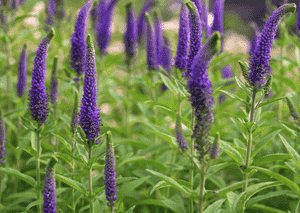
Spiked speedwell, a perennial featuring elevated, blossoming stalks, flourishes with deadheading subsequent to its initial flowering period, which stimulates a subsequent bloom. Trimming it to soil level in late autumn readies it for the colder months, whereas early spring trimming revitalizes its development. Remove withered flower stems and thin out the plant to enhance air movement, thereby diminishing the likelihood of disease. These actions not only preserve its form but also augment the plant's vitality and the profusion of its blossoms.
What Are the Benefits of Pruning Spiked Speedwell?
What Are the Benefits of Pruning Spiked Speedwell?
Trimming spiked speedwell promotes a more abundant flowering period and maintains a compact, appealing shape. Regular cutting back encourages the plant to grow more vigorously, ensuring robust health and an enhanced garden display.
What Is the Best Time for Pruning Spiked Speedwell?
What Is the Best Time for Pruning Spiked Speedwell?
Pruning spiked speedwell in early spring, prior to the start of the growing season, allows gardeners to remove any dead or damaged stems resulting from winter conditions without affecting new growth. This timing also helps stimulate the development of a robust root system and healthy shoots. After spiked speedwell finishes its blooming cycle, typically from late summer to early fall, it is appropriate to trim the plant back to encourage a tidy growth habit and potentially promote a second, albeit lighter, bloom. Deadheading, or removing spent flower spikes after the initial bloom, can also aid in extending the flowering period and preventing self-seeding. Avoiding pruning during late fall prevents new, vulnerable growth that could be damaged by the upcoming cold weather, ensuring the plant remains healthy and vigorous for the following growing season.
What Tools Do I Need to Prune Spiked Speedwell?
Bypass Pruners
Ideal for making clean cuts on the green stems of spiked speedwell, ensuring minimal damage to the plant. Best used for deadheading and shaping.
Pruning Shears
Perfect for snipping off old flower stalks and leaves of spiked speedwell, facilitating a tidy plant appearance and promoting new growth.
Gardening Gloves
Protect hands from scratches while handling spiked speedwell, essential for personal safety during the pruning process.
Garden Scissors
Useful for precision trimming of spiked speedwell when deadheading or thinning out small, delicate areas.
Leaf Rake
Helps gather and remove fallen debris from around spiked speedwell after pruning, maintaining a clean growing environment.
How to Prune Spiked Speedwell
Step1: Identifying Plant Parts for Removal
Examine spiked speedwell to identify dead flowers, old stems, and withered foliage that require pruning. This typically occurs after flowering or at the end of the growing season.
Step2: Sanitizing Pruning Tools
Sanitize your pruning shears with rubbing alcohol or a 10% bleach solution to prevent the spread of disease during trimming.
Step3: Deadheading Faded Blooms
Start by removing dead flowers, also known as deadheading. Snip the flower spikes just below the faded blooms and above the first set of healthy leaves. This encourages spiked speedwell to produce a second wave of flowers.
Step4: Pruning Old Stems Properly
Prune old stems that have finished flowering back to the ground level or to the base of the plant, ensuring a 45-degree angled cut to prevent water accumulation that can lead to rot or disease.
Step5: Trimming Dead Foliage
Cut back withered or dead foliage to maintain a neat appearance and improve air circulation around spiked speedwell. Make the cuts at the base of the plant, being cautious to avoid cutting new growth.
Step6: Shaping the Plant
Shape spiked speedwell by selectively trimming overgrown areas to encourage bushy growth and maintain the plant's size and form.
Step7: Disposing of Pruned Materials
Dispose of the pruned material away from the garden to deter pests and avoid fungal infection reoccurrence.
Step8: Watering After Pruning
Water spiked speedwell well after pruning to help reduce stress on the plant and to promote recovery and new growth.
Step9: Fertilizing Post-Pruning
Apply a balanced, slow-release fertilizer after pruning to provide spiked speedwell with the necessary nutrients to flourish.
Step10: Monitoring for Pests and Diseases
Monitor spiked speedwell for signs of pests or disease following pruning, as freshly cut areas can be an entry point for pathogens.
Post-Pruning Care for Spiked Speedwell
Post-Pruning Care for Spiked Speedwell
Immediately after pruning spiked speedwell, ensure adequate water to maintain moist soil without waterlogging. Position spiked speedwell in a well-lit environment, avoiding direct afternoon sunlight to prevent stress. Maintain a temperate, stable climate, avoiding drastic temperature shifts. Post-pruning, apply a balanced, slow-release fertilizer to aid in nutrient replenishment and support regrowth. Regularly inspect spiked speedwell for signs of distress or infection, such as discolored foliage or wilt, and address promptly with appropriate fungicides or pest control measures.
Common Pruning Mistakes with Spiked Speedwell
Excessive Pruning Weakens Plant
Over-pruning spiked speedwell, which can result in weak growth and fewer blooms. Removing more than one-third of the plant at a time can stress it unnecessarily.
Under-Pruning Leads to Leggy Plants
Pruning too little of spiked speedwell, which may leave the plant looking leggy and unkempt. Neglecting to remove spent flower spikes can also inhibit the potential for re-blooming.
Dull Tools Can Cause Stem Damage
Using dull or dirty pruning tools on spiked speedwell, which can damage the stems and potentially introduce diseases to the cut areas.
Improper Cutting Techniques Harm Vascular System
Tearing or ripping the stems of spiked speedwell instead of making clean, precise cuts. This can harm the plant's vascular system and hinder proper healing.
Disregarding Plant's Natural Growth Pattern
Ignoring the natural shape and growth pattern of spiked speedwell when pruning, which can result in an unnatural appearance and possibly affect the plant's overall health.
Common Pruning Tips for Spiked Speedwell
Sharp Shears for Clean Cuts and Disease Prevention
Use sharp, clean pruning shears for spiked speedwell to ensure clean cuts that heal quickly, reducing the risk of disease.
Deadheading for Reblooming and Cleanliness
Cut back the spent flower stalks of spiked speedwell to the base to encourage a second bloom and tidy up the appearance of the plant.
Thin Out Stems for Better Airflow and Light
Prune spiked speedwell by thinning out crowded stems to promote better air circulation and light penetration, which can help prevent fungal diseases.
Selective Pruning for Natural Shape and Dense Foliage
Shape spiked speedwell by selectively pruning wayward or longer stems to maintain an attractive, natural form and to encourage denser foliage.
Strategic Cuts Above Nodes for New Growth
When reducing the height of spiked speedwell, make cuts just above a set of leaves or a branch node to stimulate new growth from that point.



