How to Prune Ironweed?
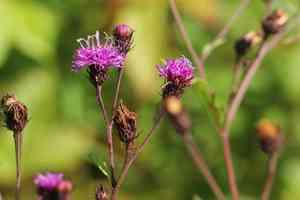
A lofty, herbaceous perennial recognized for its vivid violet blossoms, ironweed flourishes with careful trimming. The ideal time for cutting back is in spring or following its summer flowering to foster denser development and boost flower production. Removing faded blooms can stimulate a subsequent flowering and deter self-propagation. Since the plant can attain considerable dimensions, spring reduction also controls its stature and form. These trimming methods guarantee a vigorous plant with an extended period of bloom.
What Are the Benefits of Pruning Ironweed?
What Are the Benefits of Pruning Ironweed?
Trimming ironweed promotes robust growth and maintains its desired shape. Strategic cutting back enhances development and contributes to a well-formed plant.
What Is the Best Time for Pruning Ironweed?
What Is the Best Time for Pruning Ironweed?
Trimming ironweed in late winter or early spring is advantageous as the plant remains dormant. This timing allows gardeners to sculpt the plant and remove any dead or diseased wood without causing stress, as energy reserves are not yet directed towards growth. Furthermore, cutting back at this time encourages a more compact, bushy habit, improving flowering in the subsequent season. Summer pruning should occur shortly after ironweed has finished blooming. This is often done to deadhead the faded flowers, which can stimulate a second flush of blooms and prevent unwanted seed dispersal. Pruning in summer also helps manage the size of ironweed and preserves its aesthetic form without affecting its vigor or next season's flowers.
What Tools Do I Need to Prune Ironweed?
Bypass Pruners
Perfect for making clean cuts on young or green stems of ironweed, ensuring healthy regeneration.
Pruning Shears
Suitable for deadheading or trimming spent flowers, which encourages further blooming and prevents self-seeding if not desired.
Long-Handled Loppers
Useful for reaching higher stems or for providing leverage to cut through thicker stems commonly found on mature ironweed.
Gardening Gloves
Protect hands from ironweed's occasionally rough stems and potential skin irritants, ensuring a safe pruning process.
Pruning Saw
Recommended for cutting stems thicker than what loppers can handle, particularly applicable to mature or woody growth of ironweed.
How to Prune Ironweed
Damaged Stems
Identify and remove damaged stems from ironweed by cutting them at the base of the plant or just above a healthy set of leaves, using clean and sharp pruning shears. This prevents disease and encourages healthy new growth.
Dead Flowers
Deadhead the spent blooms of ironweed by snipping them off just below the flower head or above the first set of healthy leaves to promote more blooms and prevent self-seeding if desired.
Shape Plant
After removing dead flowers and damaged stems, shape ironweed to maintain the desired plant size and appearance, carefully thinning out any overcrowded areas to improve air circulation.
Common Pruning Mistakes with Ironweed
Overzealous cutting
Pruning ironweed too severely can lead to a reduction in flowering and vigor, as the plant may not have enough time to recover and produce new growth before the flowering season.
Removing too much at once
Taking off more than one-third of the plant's overall mass can stress ironweed, resulting in weaker plants that are more susceptible to pests and diseases.
Improper tool use
Using dull or unclean pruning tools can cause unnecessary damage to the tissues of ironweed, leaving them vulnerable to infections.
Ignoring plant shape
Pruning without considering the natural shape of ironweed can result in an unattractive plant that does not flower well. It's essential to maintain its natural form for best results.
Neglecting deadheading
Failing to remove spent blooms from ironweed can decrease the vigor of the plant, as it continues to invest energy into seed production instead of new growth.
Common Pruning Tips for Ironweed
Selective pruning
Cut back individual stems of ironweed to varying heights to create a more natural appearance and to stimulate new growth from lower down on the stems.
Clean cuts
Make clean cuts at a 45-degree angle just above a set of leaves or a bud to promote healthy regrowth and reduce the risk of disease.
Gradual pruning
Prune ironweed gradually over several seasons if extensive cutting back is necessary, allowing the plant to recover between pruning sessions.
Deadheading
Regularly remove spent flowers of ironweed to encourage repeated blooming and prevent the plant from putting too much energy into seed production.
Careful tool maintenance
Ensure that pruning tools are sharp and disinfected between cuts to prevent the spread of disease and to make precise cuts that can heal quickly.



