How to Prune Gulf vervain?
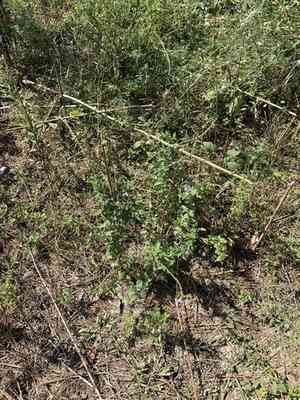
This enduring herbaceous species, recognized for its purple flower spikes, frequently features in butterfly sanctuaries. To ensure the best gulf vervain care, perform trimming in early spring or late winter to foster robust development and thick foliage. Reduce older growth to several inches above the soil surface, enabling fresh sprouts to appear. Consistent removal of spent blooms stimulates ongoing flowering. Pruning assists in preserving form, managing dimensions, and boosting floral production, thereby improving the plant's general vitality and visual attractiveness.
What Are the Benefits of Pruning Gulf Vervain?
What Are the Benefits of Pruning Gulf Vervain?
Trimming gulf vervain promotes vigorous development and maintains its desired form, ensuring peak health and visual appeal.
What Is the Best Time for Pruning Gulf Vervain?
What Is the Best Time for Pruning Gulf Vervain?
Pruning gulf vervain in late winter or early spring is optimal, aligning with the end of dormancy and just before new growth begins. Trimming at this time allows for the removal of dead or damaged parts without disrupting gulf vervain's natural flowering cycle, which typically occurs in warmer months. Pruning during these recommended seasons also enhances sunlight penetration and air circulation, contributing to a healthier plant structure and improved blooming when the growth period starts. Furthermore, since the plant is not yet actively growing, cuts will heal quickly with the surge of new spring growth, minimizing the risk of disease and stress to gulf vervain.
What Tools Do I Need to Prune Gulf Vervain?
Bypass Pruners
Perfect for making precise cuts through the green, living stems of gulf vervain without crushing delicate tissue, preserving plant vitality.
Gardening Gloves
Protect hands from thorns and rough foliage while trimming gulf vervain, ensuring safety during the task.
Pruning Shears
Suitable for managing excessive growth and shaping gulf vervain, allowing for accurate removal of dead or unwanted branches.
Garden Scissors
Useful for deadheading and trimming gulf vervain's lighter foliage or flowers, offering greater control for smaller cuts.
How to Prune Gulf Vervain
Disinfect Tools
Before beginning the pruning process, ensure all cutting tools are sanitized. This prevents the spread of diseases to gulf vervain.
Remove Diseased Leaves
Carefully inspect gulf vervain for any ailing leaves. Use sharp pruning shears to cleanly cut away diseased leaves at their base, taking care not to harm the stems.
Trim Withered Leaves
Identify any dried or dead leaves on gulf vervain. Using the same shears, snip these leaves at the base without disturbing the healthy surrounding foliage.
Clean Up
Gather all removed foliage and dispose of it away from gulf vervain, ensuring any potential disease does not remain in the area to prevent reinfection.
Inspect Plant Post Pruning
After completing the pruning, thoroughly examine gulf vervain to ensure no diseased or withered leaves remain. This allows gulf vervain to focus its energy on healthy growth.
Common Pruning Mistakes with Gulf Vervain
Overpruning
Removing too much foliage from gulf vervain risks harming the plant and limiting its ability to photosynthesize effectively.
Improper Tool Use
Using dull or unclean pruning tools can damage stems, potentially introducing disease to gulf vervain.
Neglecting To Thin
Failing to thin out crowded stems can lead to poor air circulation for gulf vervain, making the plant more vulnerable to disease.
Topping
Cutting off the top of the plant indiscriminately, known as 'topping', can result in a less appealing shape and reduce the vigor of gulf vervain.
Ignoring Dead Growth
Not removing dead or diseased growth could impede the plant's overall health and vitality.
Random Cuts
Making cuts without understanding the growth pattern of gulf vervain can lead to undesirable growth directions and shapes.
Pruning Into Old Wood
Cutting too far back into old wood might prevent gulf vervain from producing new shoots, as it may not regenerate as easily from older growth.
Common Pruning Tips for Gulf Vervain
Selective Pruning
Cut back to just above a leaf node or a branching point to encourage gulf vervain to produce more stems and become bushier.
Sanitize Tools
Before pruning, always clean and sterilize your tools to avoid transmitting diseases to gulf vervain.
Sharp Tools
Use sharp bypass pruners or scissors to make clean cuts on gulf vervain, which help the plant heal faster and reduce stress.
Health Assessment
Regularly assess the plant's health and remove any dead, diseased, or weak stems to maintain a healthy gulf vervain.
Shape Maintenance
Prune lightly to maintain the desired shape and size of gulf vervain, avoiding severe cutting back unless necessary for rejuvenation.
Deadheading
Remove spent blooms to encourage gulf vervain to produce more flowers and prevent energy from going to seed production.
Monitor Response
After pruning, observe how gulf vervain responds to the pruning over time to adjust techniques for future pruning sessions.



