How to Prune Common vervain?
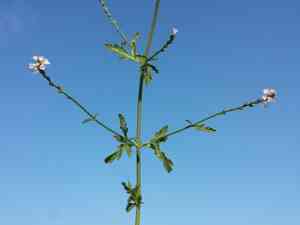
Common vervain, a perennial herb featuring violet blossoms, thrives with consistent trimming to foster dense development and boost bloom production. In early spring, cut back the plant to eliminate lifeless or injured stalks and stimulate fresh emergence. During summer, minor shaping can preserve the plant's structure and remove faded flowers to encourage a subsequent bloom. Autumnal tidying involves clearing away old foliage and averting illness. Drastic pruning is generally unnecessary, as common vervain flourishes under mild, continuous attention, leading to a more vigorous and resilient specimen.
What Are the Benefits of Pruning Common Vervain?
What Are the Benefits of Pruning Common Vervain?
Trimming common vervain encourages more abundant flowering and promotes robust development. Consistent trimming helps maintain its desired form and size, ensuring common vervain remains visually appealing and manageable in the garden.
What Is the Best Time for Pruning Common Vervain?
What Is the Best Time for Pruning Common Vervain?
Pruning common vervain in early spring is advantageous as it revitalizes the plant after its winter dormancy. This timing stimulates healthy new growth and aids in shaping the plant before the active growing season begins. By eliminating dead or damaged sections, the plant can allocate energy to developing fresh foliage and blossoms. Pruning from late summer to early fall aligns with post-flowering upkeep. It keeps common vervain compact, prevents seed dispersal which can lead to unwanted spread, and improves the plant's appearance and health as it heads into winter. Pruning during these periods assists in managing size, controlling disease, and preparing common vervain for the next growth cycle without affecting its blooming period.
What Tools Do I Need to Prune Common Vervain?
Bypass Pruners
Perfect for making clean cuts on common vervain's delicate stems without causing unnecessary harm to the plant's tissues.
Garden Scissors
These are useful for precise trimming of common vervain's smaller or intricate parts, ensuring the plant keeps its intended shape.
Hand Shears
Effective for shaping common vervain or reducing its size quickly and efficiently, especially when working with multiple plants.
Long-Handled Loppers
These might be necessary if common vervain has matured and developed woodier stems that are difficult to cut with smaller implements.
How to Prune Common Vervain
Disinfect Tools
Before starting to prune common vervain, sanitize all pruning implements with a bleach or alcohol solution to prevent disease transmission.
Remove Diseased Leaves
Carefully inspect common vervain for any diseased foliage and snip them off at the base using sharp, disinfected shears. Make clean cuts and avoid tearing to minimize damage.
Trim Withered Leaves
Examine common vervain for withered or dead leaves and remove them by cutting where the leaf stem meets the main stem, using the same disinfected shears to encourage healthy growth.
Deadhead Flowers
Locate spent or faded flowers on common vervain and deadhead by cutting the flower stem back to the first set of healthy leaves. This promotes further blooming and keeps the plant tidy.
Cleanup
After pruning common vervain, gather and dispose of all removed plant material off-site to lessen the risk of disease and pest infestation.
Common Pruning Mistakes with Common Vervain
Overpruning
Removing excessive foliage can stress common vervain, potentially leading to poor health and fewer blossoms. It's crucial to prune only as much as needed to shape the plant or remove dead material.
Improper Cut Location
Cutting too far from a node or into old wood can result in unattractive growth or damage to common vervain. Pruning cuts should be made just above leaf nodes or branching points.
Using Dull Tools
Blunt pruning tools can crush the stems of common vervain, making them more vulnerable to disease. Always use sharp, clean pruners to make healthy cuts.
Neglecting Hygiene
Failing to clean pruning tools between uses can spread diseases to common vervain from other plants. Sterilize tools before and after pruning sessions.
Inconsistent Pruning
Common vervain benefits from regular pruning to maintain its shape and encourage vigorous growth, yet some gardeners may forget or skip sessions, leading to an overgrown or lopsided plant.
Common Pruning Tips for Common Vervain
Selective Pruning
Prioritize removing dead or diseased sections first, then thin out dense areas to improve light penetration and air circulation within common vervain's canopy.
Appropriate Cutting Angle
Make cuts at a 45-degree angle just above a leaf node to encourage common vervain to produce new growth in a desired direction.
Incremental Pruning
Instead of heavy, drastic cuts, perform light, gradual pruning sessions over time to shape common vervain and avoid shocking the plant.
Deadheading
Regularly remove spent flowers of common vervain to stimulate continuous blooming throughout the growing season and prevent the plant from expending energy on seed production.
Height Control
To prevent common vervain from becoming too tall and leggy, pinch or cut back the tips of the stems, especially during the early growing season. This will encourage the plant to become bushier.



