How to Prune Blue vervain?
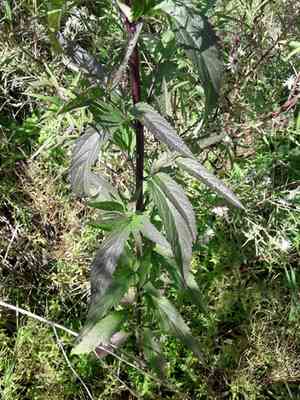
This enduring herbaceous species is recognized for its pointed violet blossoms and vertical growth habit. For blue vervain, strategic trimming in the initial spring period fosters denser development and averts an elongated appearance. Removing spent blooms during late summer stimulates additional flowering. Excising faded flower stalks can improve the plant's aesthetic and inhibit self-propagation. Pruning not only preserves neatness but also revitalizes blue vervain's development, guaranteeing vigorous health and an appealing garden display.
What Are the Benefits of Pruning Blue Vervain?
What Are the Benefits of Pruning Blue Vervain?
Trimming blue vervain encourages robust development and maintains its desired form. This ensures it directs energy into producing healthy leaves and blossoms, rather than elongated, unproductive stems.
What Is the Best Time for Pruning Blue Vervain?
What Is the Best Time for Pruning Blue Vervain?
In early spring, blue vervain is just starting to emerge from dormancy, making it the perfect time to prune for shaping and to remove any dead or damaged stems before new growth begins. This timing allows blue vervain to recover quickly without diverting energy from its growth phase. Late summer pruning is ideal as it coincides with post-flowering management. By this point, blue vervain has completed its main blooming cycle, and trimming can be done to deadhead spent flowers, encourage a second bloom in some cases, and maintain plant vigor without affecting next yearâs growth.
What Tools Do I Need to Prune Blue Vervain?
Hand Pruners
Sharp, bypass hand pruners are suitable as blue vervain has relatively soft stems that can be easily cut without the need for heavy-duty equipment.
Pruning Shears
Since blue vervain may require frequent shaping to encourage bushier growth, pruning shears enable precise control over the cuts made.
Gardening Gloves
Protection is important considering blue vervain may have areas that can cause skin irritation or minor injuries while pruning.
Disinfectant for Tools
Keeping tools clean ensures that pathogens are not transferred to blue vervain during the pruning process, maintaining plant health.
How to Prune Blue Vervain
Step1: Identifying Pruning Targets
Identify the parts of blue vervain that require pruning. Look for old flowers that have finished blooming and any dead stems. These are your primary targets for pruning, as they can hinder new growth and affect the plantâs overall health and appearance.
Step2: Sterilizing Pruning Tools
Sterilize your pruning shears before you start. Wipe the blades with rubbing alcohol or a solution of bleach and water. This prevents the spread of disease between plants.
Step3: Pruning Old Flowers Correctly
Prune the old flowers by cutting them back to just above a leaf node. This is where new growth will occur. Ensure the cut is clean and at a 45-degree angle to promote healing and prevent water accumulation, which could lead to disease.
Step4: Removing Dead Stems Safely
Remove dead stems by making cuts at the base of the plant. Do not leave stubs, as they can invite pests and disease. Cut as close to the ground as possible without damaging new shoots.
Step5: Encouraging Bushier Growth
If the goal is to encourage bushier growth, pinch or cut back the tips of stems early in the season. This will stimulate blue vervain to produce more side branches and become fuller.
Step6: Disposing of Pruning Debris
After pruning, discard the removed material away from the garden to prevent any potential disease spread. Composting disease-free plant material is a good practice, but avoid composting diseased plant parts.
Step7: Watering After Pruning
Water blue vervain appropriately after pruning to help it recover. Avoid overhead watering to minimize the risk of disease.
Step8: Monitoring Post-Pruning Growth
Monitor blue vervain after trimming for signs of new growth, which indicate a successful pruning. Continue regular care, including watering, feeding, and further pruning as necessary to maintain the plantâs shape and vigor.
Step9: Seasonal Major Pruning
At the end of the growing season, assess blue vervain for a more significant pruning. After the first frost, you can cut back the entire plant to help trigger dormancy and prepare it for the next growing season.
Post-Pruning Care for Blue Vervain
Post-Pruning Care for Blue Vervain
Immediately after pruning blue vervain, water the plant to help it recover. Ensure it receives full sun to partial shade and maintain moderate humidity and temperatures between 60-75°F. Apply a balanced, slow-release fertilizer to provide essential nutrients. Regularly check for wilted leaves or discoloration, indicating stress or infection. If symptoms appear, treat promptly with appropriate fungicide or pest control measures.
Common Pruning Mistakes with Blue Vervain
Using Dirty, Dull Tools
Not using clean, sharp tools which can lead to disease transmission and jagged cuts that harm blue vervain's health.
Over-Pruning
Pruning too aggressively and removing too much at once, which can stress blue vervain and potentially reduce its vigor and bloom.
Improper Cutting on Woody Growth
Cutting into old, woody growth without understanding that blue vervain blooms on new growth, potentially reducing the flowering for the season.
Ignoring Damaged Stems
Ignoring dead or damaged stems that need removal for the overall health and aesthetic appeal of blue vervain.
Lack of Shaping in Pruning
Neglecting to shape blue vervain during pruning, leading to an uncontrolled and potentially less attractive growth habit.
Common Pruning Tips for Blue Vervain
Tool Sanitization
Sanitize pruning tools before and after use to minimize the risk of disease spread, ensuring cleaner cuts for blue vervain.
Conservative Trimming
Prune blue vervain by trimming back a quarter to one-third of the plant to promote bushier growth and more blooms, avoiding excessive removal.
Remove Dead Stems First
Focus on removing dead or damaged stems first to improve air circulation and plant health, which can enhance blue vervain's performance.
Structural Shaping
Shape blue vervain during the pruning process to maintain a desirable plant structure and appearance, which can also support more prolific flowering.
Post-Bloom Tip Pinching
Pinch or cut back tips after the first bloom to encourage a second flush of flowers, making sure to make the cuts just above a leaf node for blue vervain.



