How to Prune White mullein?
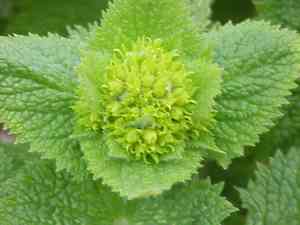
Originating from Europe and Asia, Verbascum thapsus is recognized by its towering stalks of pale yellow to white blossoms and silvery-green leaves. Trimming should involve the removal of deceased or ailing stems and faded flowers to stimulate additional blooming and sustain the plant's vitality. The most effective time for pruning is after the flowering phase to deter self-propagation, usually in late summer or autumn. Refrain from extensive pruning, as white mullein develops a solitary flower stalk. Advantages of pruning encompass fostering an orderly plant structure and robust new development for the subsequent year.
Advantages of Trimming White Mullein
Advantages of Trimming White Mullein
Trimming white mullein encourages robust development and helps preserve its form. This ensures a strong and visually appealing plant, while decreasing disease risk and promoting better air circulation within the foliage.
Optimal Time for Trimming White Mullein
Optimal Time for Trimming White Mullein
Trimming white mullein is best done in late winter or early spring. During these periods, the plant is typically dormant, which minimizes stress and the chance of disease transmission through cuts. Pruning before new growth starts allows gardeners to effectively shape the plant and remove any dead or diseased material, thus fostering healthy growth. Early spring pruning, just before the growth cycle commences, stimulates new growth, ensuring that flowering resources are directed to desired buds. Since white mullein blooms on the current year's growth, pruning in late winter or early spring enables the plant to allocate energy to produce abundant blooms in the subsequent summer months.
Required Tools for Trimming White Mullein
Sharp Bypass Pruners
Perfect for making clean cuts on white mullein's smaller stems, ensuring minimal harm to plant tissues.
Pruning Shears
Suitable for clipping off white mullein's spent flower spikes or leaves, helping to maintain plant vitality and appearance.
Garden Scissors
Useful for precise trimming of white mullein's smaller or hard-to-reach areas, enhancing plant shape without causing unnecessary damage.
Pruning Saw
Essential for cutting through white mullein's thicker stems if overgrown, providing the necessary leverage and control.
Gloves
Crucial for protecting hands from white mullein's rough foliage, ensuring gardener safety during trimming tasks.
Long Sleeved Shirt
Recommended attire to prevent irritation from white mullein's hairy foliage during maintenance.
How to Trim White Mullein
Sanitize Tools
Before beginning, ensure all trimming tools are disinfected to prevent the spread of disease to white mullein.
Remove Diseased Leaves
Carefully inspect white mullein and trim any diseased leaves by making clean cuts at the base of each leaf to avoid harming the healthy parts of the plant.
Cut Withered Leaves
Identify and snip away all withered leaves from white mullein to direct the plant's energy into new growth and flowering. Make sure to trim close to the base but without damaging new buds or stems.
Prune Dead Branches
Remove dead branches from white mullein by cutting them off at the point where they meet healthy wood. Use clean cuts and be conservative to maintain the plant’s natural structure.
Eliminate Diseased Branches
Finally, trim any diseased branches on white mullein by making cuts well below the affected area, ideally back to the main stem, to prevent further infection.
Common Trimming Errors with White Mullein
Excessive Trimming
Cutting back white mullein too much can stress the plant and reduce its vigor, potentially even killing it. A good guideline is never to remove more than one-third of the plant at once.
Incorrect Cuts
Making cuts too far from the buds can result in unsightly stubs, while cutting too close can damage the bud. Cuts should be made at a 45-degree angle approximately 1/4 inch above a bud that faces the desired direction of growth.
Tearing Stems
Using dull or unclean trimming tools can result in ragged cuts and torn stems, which make white mullein more susceptible to diseases and pests.
Trimming For Size
Attempting to maintain white mullein at a smaller size by trimming is a mistake. White mullein has a natural size it will attain, and repeated trimming to reduce size can weaken the plant.
General Trimming Advice for White Mullein
Sanitized Tools
Always use sharp, clean trimming tools to make clean cuts that heal quickly, preventing disease entry points.
Shape And Health
Trim for shape and health by removing any dead, diseased, or damaged stems to maintain a strong structure and promote air circulation.
Seed Control
Remove spent flower spikes before they set seed to control unwanted self-seeding, if this is a concern. Note that seeds are a valuable food source for wildlife; consider leaving some spikes if this aligns with gardening goals.
Encouraging Blooms
Lightly trim white mullein by deadheading spent flowers to potentially stimulate a second bloom and extend the flowering season.



