How to Prune Flat-leaved vanilla?
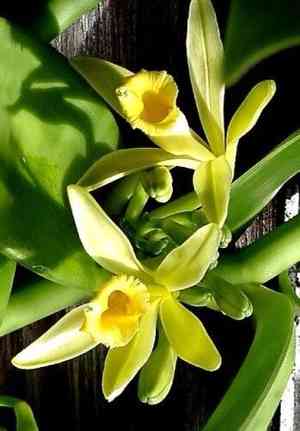
Hailing from tropical regions, flat-leaved vanilla is a favored orchid recognized for its fragrant seed pods utilized in culinary applications. To ensure robust development, promptly remove any lifeless or ailing sections. Strategic trimming of tendrils and new growths enhances air movement and light penetration. The ideal period for this is following pod collection, as flat-leaved vanilla tolerates pruning throughout the year. Consistent thinning improves pod excellence and plant strength, averting excessive density. Always sanitize implements to prevent pathogens, which is crucial for this orchid's lifespan and yield.
What Are the Benefits of Pruning Flat-leaved Vanilla?
What Are the Benefits of Pruning Flat-leaved Vanilla?
Trimming flat-leaved vanilla promotes blooming, stimulates vigorous development, and maintains its form, ensuring peak output and aesthetic appeal.
What Is the Best Time for Pruning Flat-leaved Vanilla?
What Is the Best Time for Pruning Flat-leaved Vanilla?
Flat-leaved vanilla can be trimmed or cut throughout the year due to its continuous growth in tropical environments where it thrives. However, late winter to early spring is particularly advantageous as it precedes the plant's natural growth surge. Pruning during this period allows for the removal of any dead or diseased parts, which could otherwise impede the growth, health, and productivity of flat-leaved vanilla. Additionally, trimming before the active growth phase helps shape the plant, encourage new growth, and improve air circulation. Careful timing ensures the plant can recover quickly and reduces the risk of stress affecting its flowering or fruiting potential. It should be noted that while flat-leaved vanilla can be pruned at any time, excessive pruning or incorrect timing could potentially impact the yield of vanilla pods, so careful and minimal trimming is advised to maintain plant vigor.
What Tools Do I Need to Prune Flat-leaved Vanilla?
Sharp Bypass Pruners
For making clean cuts on flat-leaved vanilla's green stems without crushing plant tissues, allowing for healthy regrowth.
Long-Handled Pruners
To reach the higher vines of flat-leaved vanilla without damaging the plant or needing to overextend.
Pruning Saw
To address any thicker stems or old non-productive vines, ensuring cuts are clean and precise.
Gardening Gloves
To protect hands from potential irritants on flat-leaved vanilla's stems or pods as well as from sharp tools during pruning.
Cleaning Alcohol
For sterilizing pruning tools before and after use to prevent the spread of disease among flat-leaved vanilla plants.
How to Prune Flat-leaved Vanilla
Disinfect Tools
Before beginning, disinfect all pruning tools to prevent the spread of disease to flat-leaved vanilla. Use a solution of 1 part bleach to 9 parts water or rubbing alcohol to sterilize the blades.
Remove Diseased Leaves
Carefully inspect flat-leaved vanilla for any diseased leaves. Use sanitized pruning shears to snip these leaves at the base where they meet the stem, avoiding damage to the vine.
Trim Withered Parts
Look for withered leaves and flowers on flat-leaved vanilla. Gently remove them by hand if loosely attached or use shears to make clean cuts without tearing the plant's tissue.
Cut Dead Branches
Identify dead or diseased branches on flat-leaved vanilla. Cut these branches back to healthy tissue, ensuring a diagonal cut to promote water runoff and prevent disease entry.
Manage Plant Shape
Prune flat-leaved vanilla to maintain its desired shape and size. Remove any excess growth and support the main vine to encourage efficient air circulation and light exposure for the remaining healthy sections.
Common Pruning Mistakes with Flat-leaved Vanilla
Over-Pruning
Removing too much growth can stress flat-leaved vanilla, leading to reduced flowering or even plant death.
Blunt Implements
Utilizing dull tools can cause damage to the flat-leaved vanilla's stems, potentially introducing disease.
Improper Cuts
Incorrect cutting angles or positions can leave flat-leaved vanilla susceptible to pests and diseases and disrupt growth patterns.
Neglecting Sanitation
Failing to sanitize pruning tools before use can spread pathogens between plants.
Pruning Growing Tips
Trimming the growing tips of flat-leaved vanilla can inadvertently limit its potential to climb and reduce overall growth vigor.
Frequent Pruning
Flat-leaved vanilla does not require frequent pruning; doing so can hinder development and fruit set.
Common Pruning Tips for Flat-leaved Vanilla
Sharp Tools
Use sharp, clean pruning shears to make precise cuts without damaging the flat-leaved vanilla's vines.
Targeted Cuts
Focus on removing dead or diseased material, as well as sections that are excessively tangled or crowded.
Supportive Shaping
Trim flat-leaved vanilla to maintain its structure and support, promoting air circulation and exposure to light, which are essential for healthy growth.
Trimming Flowers
Prune after flowering once the pods begin to form, being careful not to remove the pods to ensure vanilla bean production.
Post-Pruning Care
After pruning, provide flat-leaved vanilla with appropriate water and nutrients to promote recovery and new growth.
Cleanliness
Disinfect pruning tools both before and after use to prevent the spread of diseases to or from flat-leaved vanilla.



