How to Prune Fever tree?
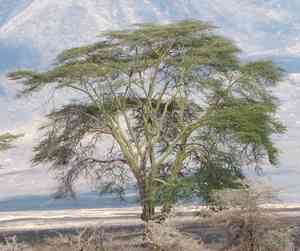
Celebrated for its vibrant yellow trunk and characteristic umbrella-like crown, fever tree contributes a unique visual appeal to outdoor spaces. Perform pruning from late winter through early spring, concentrating on excising deceased or ailing limbs, reducing crowded sections to improve airflow, and sculpting the canopy for robust structure. Strategic trimming encourages vigorous development and refines the tree's inherent design. Employ sanitized, keen implements to avert harm and the spread of pathogens to fever tree.
Advantages of Trimming Fever Tree
Advantages of Trimming Fever Tree
Trimming fever tree encourages robust development and assists in preserving its structural soundness. By eliminating dead or overgrown limbs, the tree can direct its energy towards building a strong framework and dense foliage.
Optimal Period for Trimming Fever Tree
Optimal Period for Trimming Fever Tree
Trimming fever tree in late winter or early spring is preferred because the plant remains dormant then, reducing stress and lowering the chance of pest and disease infestation. This timing allows the plant to recover and produce new growth as temperatures rise. Late winter pruning prepares fever tree for vigorous spring growth, while early spring pruning, done before new growth begins, ensures the plant's energy is directed to desired shoots. These seasons avoid cutting during blooming or intense summer heat, which can negatively impact the plant's health and vitality.
Required Tools for Trimming Fever Tree
Bypass Pruners
Essential for making precise cuts on smaller branches of fever tree, enabling accuracy and minimizing harm to the bark and surrounding tissue.
Loppers
Perfect for reaching higher branches and cutting through thicker stems that hand pruners cannot handle, facilitating larger cuts needed for fever tree's growth habit.
Pruning Saw
Necessary for cutting through the largest branches of fever tree that loppers cannot manage, providing the ability to cleanly remove large limbs without tearing the bark.
Pole Pruner
Suitable for safely trimming branches that are out of reach on taller specimens of fever tree, helping to maintain the tree's shape and remove any dead or diseased wood without using a ladder.
How to Trim Fever Tree
Clean Tools
Before beginning, ensure all trimming tools are clean and sharp to prevent disease spread and to make clean cuts that fever tree can heal more quickly.
Safety
Wear protective gear, including gloves and safety glasses, to guard against fever tree's thorns and any debris.
Identify
Examine fever tree to locate all dead or diseased branches. These will often be discolored, feel brittle, or show visible signs of fungal growth or insect damage.
Cutting Technique
Using appropriate tools like secateurs for smaller branches or a saw for larger ones, make cuts at a slight angle, about 1/4 inch above an outward-facing bud. This directs new growth away from the center of fever tree, preventing overcrowding.
Cleanup
Remove the cut branches from the area around fever tree and dispose of them properly to prevent the potential spread of disease or pests.
Common Trimming Errors with Fever Tree
Over-Trimming
Removing too much foliage at once can stress fever tree, hindering its growth and overall health.
Incorrect Cuts
Making cuts that are either too close or too far from the nodes can impede healing and increase susceptibility to disease.
Tearing Bark
Attempting to cut larger branches without proper tools can result in torn bark, which exposes fever tree to pests and diseases.
Trimming Diseased Wood
Not sanitizing tools after cutting away diseased material can spread pathogens throughout fever tree.
Neglecting Tool Maintenance
Dull tools lead to rough cuts that make fever tree more vulnerable to infection.
General Trimming Advice for Fever Tree
Sharp Tools
Use clean, sharp secateurs or loppers to make clean cuts that fever tree can heal quickly from, minimizing disease risk.
Cutting Technique
Cut at a 45-degree angle approximately 1/4 inch above a leaf node to encourage healthy regrowth in fever tree.
Selective Thinning
Remove only the necessary branches to improve light penetration and air circulation without compromising the structure of fever tree.
Dead Wood Removal
Regularly remove dead or dying branches to maintain the vigor of fever tree and prevent decay organisms from entering.
Protective Growth
Retain lower branches on young fever tree for protection against sunburn until the tree has developed a sufficient canopy.



