How to Prune Highbush blueberry?
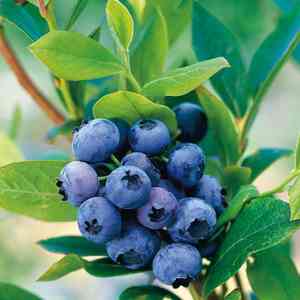
This leaf-shedding bush, recognized for its abundant seasonal produce and vivid autumn leaves, flourishes with appropriate trimming. For highbush blueberry, eliminate deceased or ailing limbs, reduce density to improve light access, and trim back one-third of the most mature stalks to stimulate fresh development. Perform pruning in late spring or early summer following the harvest. Trimming stimulates fruit yield, enhances the plant's well-being, and controls its dimensions for simpler collection.
What Are the Benefits of Pruning Highbush Blueberry?
What Are the Benefits of Pruning Highbush Blueberry?
Trimming highbush blueberry promotes abundant flowering and robust development, while decreasing illness occurrence and pest infestations, thereby guaranteeing a plentiful and healthy harvest.
What Is the Best Time for Pruning Highbush Blueberry?
What Is the Best Time for Pruning Highbush Blueberry?
Highbush blueberry's growth cycle includes a dormant phase in winter, followed by active development in spring and summer. Pruning in late spring allows gardeners to eliminate any cold-damaged limbs and to shape the plant without depleting its energy reserves vital for new growth. By early summer, new shoots have begun to firm up, making it simpler to determine which should be trimmed to maintain plant health and encourage better air circulation and sunlight penetration. These periods are chosen to avoid removing flower buds, which form on the previous year's growth and are crucial for fruit production, and to prevent stress on the plant that could result from pruning during hot, dry spells or when the plant is preparing for dormancy.
What Tools Do I Need to Prune Highbush Blueberry?
Hand Pruners
Highbush blueberry have relatively slender twigs and branches that hand pruners can easily cut through. Opting for bypass pruners is advised as they create clean, precise cuts which are essential for healthy new growth.
Loppers
For the thicker branches of highbush blueberry that hand pruners cannot manage, loppers with sharp blades are the perfect implement. Their extended handles offer leverage that permits cutting larger branches without harming the plant.
Pruning Saws
If highbush blueberry has matured and developed branches of greater diameter, a pruning saw is necessary. It enables safe removal of large limbs that other pruning tools cannot handle.
Gloves
To safeguard the gardenerâs hands from scrapes and ensure a firm grip, durable gloves are crucial during the pruning process of highbush blueberry.
Garden Sanitizer
Keeping pruning tools clean is vital to prevent the spread of disease. A garden sanitizer should be used to disinfect tools between cuts, especially when working on diseased or damaged parts of highbush blueberry.
How to Prune Highbush Blueberry
Step1: Identifying Old Wood
Identify highbush blueberry's old wood by looking for branches that are more than three years old, have rough bark, or have not produced much new growth. These are typically thicker and more woody than younger branches.
Step2: Cutting Old Wood
Utilize sharp, clean pruning shears or loppers to remove old wood. Cut at the base of the old wood where it meets younger, more productive branches, leaving about a quarter-inch above a healthy bud facing the outside of the plant.
Step3: Removing Diseased Branches
Inspect highbush blueberry for any diseased branches, indicated by discolored bark, cankers, or withered foliage. These branches should be removed promptly to prevent spreading the disease to the rest of the plant.
Step4: Disinfecting After Disease Pruning
Make cuts on diseased branches well below the affected area, into healthy wood. Ensure that you clean your tools with a disinfectant such as a 10% bleach solution after each cut to prevent transferring disease to other parts of the plant.
Step5: Pruning Vertical Shoots
Locate vertical shoots, or 'water sprouts,' which grow straight up and do not produce fruit. These shoots are vigorous and can overtake the plant if not controlled.
Step6: Pruning for Airflow and Sunlight
Prune vertical shoots back to their point of origin on one of the main branches or at the base of highbush blueberry. Use clean cuts without leaving stubs to promote healing and to maintain a desirable shape.
Step7: Shaping the Plant
Thin out highbush blueberry's branches to ensure good air circulation and sunlight penetration, which are critical for healthy growth and fruit production. Aim to have evenly spaced main branches that allow light to reach the center of the plant.
Step8: Disposal of Pruning Debris
Finalize the shape of highbush blueberry by heading back long, unbranched stems to encourage branching. Cut each stem just above a healthy bud, ideally pointing outward to shape the plant.
Step9: Post-Pruning Care
Remove all pruned material from the base of highbush blueberry to prevent the spread of disease and pests.
Step10: Enhancing Recovery with Mulch and Water
Complete the pruning process by mulching and watering highbush blueberry sufficiently to promote recovery and growth for the upcoming season.
Post-Pruning Care for Highbush Blueberry
Post-Pruning Care for Highbush Blueberry
Immediately after trimming highbush blueberry, water thoroughly to alleviate stress. Optimal light is crucial; ensure highbush blueberry receives full sun exposure without scorching. Maintain mild humidity and avoid temperature extremes. Apply balanced fertilizer to replenish nutrients, aiding in vigorous regrowth. Monitor highbush blueberry for wilted leaves or discoloration indicative of stress or infection, requiring prompt treatment. Consistent care and observation solidify highbush blueberry's post-pruning recovery and future health.
Common Pruning Mistakes with Highbush Blueberry
Over-pruning Stresses Plant and Lowers Yield
Trimming too much at once, which can stress highbush blueberry and lead to reduced fruit production.
Top-only Trimming Causes Dense Canopy and Disease
Cutting off only the top part of the branches, which can result in a dense canopy and poor air circulation, making highbush blueberry more susceptible to disease.
Sparse Removal of Old Canes Leads to Overcrowding
Removing too few of the older, less productive canes, which can lead to overcrowding and decreased overall vigor and fruit quality.
Neglecting Lateral Branches Affects Fruit Set
Ignoring the lateral branches, which can lead to an imbalance in the plantâs structure and affect fruit set on highbush blueberry.
Unsanitized Tools Increase Disease Risk
Neglecting to sanitize pruning tools between cuts, raising the risk of spreading diseases to other parts of highbush blueberry or to other plants.
Common Pruning Tips for Highbush Blueberry
Prioritize Dead or Diseased Branches for Plant Health
Focus on removing dead or diseased branches first to maintain the health and structural integrity of highbush blueberry.
Yearly Thinning of Oldest Canes Aids Sunlight and Air Flow
Thin out the canes to improve sunlight penetration and air circulation, by selecting two to three of the oldest canes each year to prune at ground level.
Remove Twiggy Wood to Boost New Growth and Berry Production
Promote new growth and berry production by additionally removing any twiggy, small-diameter wood at the ends of the branches.
Cut Vigorous Shoots for Balanced Plant Structure
Encourage a balanced structure by selectively cutting back excessively vigorous shoots that can shade out productive canes below.
Clean Cuts with Sharp Tools for Faster Healing and Infection Prevention
Use clean, sharp pruning tools to make precise cuts, which help highbush blueberry heal faster and reduce chances of infection.



