How to Prune Large-flowered bellwort?
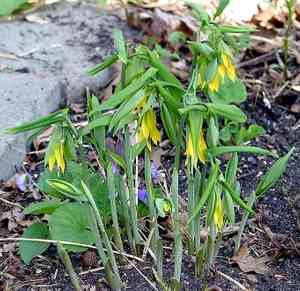
This impressive indigenous perennial, recognized for its pendulous yellow blossoms, large-flowered bellwort flourishes with infrequent trimming. Removing spent blooms after their late spring display improves aesthetics and inhibits self-propagation. Conversely, permitting seed formation encourages natural spread. Trim back the foliage to soil level in autumn for a neat appearance. Periodically dividing congested groupings is advantageous; undertake this in early spring. While not essential for well-being, pruning can foster more compact development and rejuvenate the plant's form.
What Are the Benefits of Pruning Large-flowered Bellwort?
What Are the Benefits of Pruning Large-flowered Bellwort?
Trimming large-flowered bellwort promotes abundant blooms, stimulates robust development, and preserves its compact shape, crucial for both its look and vitality.
What Is the Best Time for Pruning Large-flowered Bellwort?
What Is the Best Time for Pruning Large-flowered Bellwort?
Late Spring and Early Summer are optimal for trimming large-flowered bellwort as it enters a period of active growth post-flowering. Pruning at this time encourages healthy foliage and vigor without compromising next year's blossoms. Fall pruning is less recommended as new growth might not harden before winter, increasing vulnerability to damage.
What Tools Do I Need to Prune Large-flowered Bellwort?
Bypass Pruners
Large-flowered bellwort is a delicate herbaceous perennial, and bypass pruners are perfect for making clean, precise cuts on its slender stems. The sharp, scissor-like blades ensure minimal harm to plant tissues, aiding quicker recovery.
Snips or Micro-Tip Pruning Snips
For accurate thinning or removal of spent flowers, snips or micro-tip pruning snips are ideal for large-flowered bellwort due to their small blades that can easily navigate tight spaces without causing unnecessary damage to surrounding foliage or stems.
Gloves
Wearing gloves is important when trimming large-flowered bellwort to shield the gardener's hands from any potential irritants or sharp edges, and also to protect the plant from any oils or substances on the hands that could cause disease.
How to Prune Large-flowered Bellwort
Sanitize tools
Before trimming large-flowered bellwort, clean and sterilize all pruning tools. This prevents the spread of disease. Use a solution of 1 part bleach to 9 parts water or use isopropyl alcohol for sterilization.
Remove diseased
Carefully inspect large-flowered bellwort for any diseased leaves. Remove these by cutting them off at the base with your sterilized shears, ensuring not to damage the stems or adjacent healthy leaves.
Trim withered leaves
Identify any withered leaves on large-flowered bellwort. Using your shears, snip them off cleanly at their base, without harming the nearby foliage or flowers that are still healthy and unfurling.
Deadhead flowers
Locate withered flowers on large-flowered bellwort. Deadhead these by snipping the flower stalk just above the topmost leaf to encourage growth and discourage seed production unless propagation is desired.
Cleanup
After trimming large-flowered bellwort, collect all removed material and dispose of it away from the garden to prevent the spread of any potential diseases. Clean the tools again following the same method as in Step 1.
Common Pruning Mistakes with Large-flowered Bellwort
Over-pruning
Removing too much foliage at once can stress large-flowered bellwort and hinder its growth. Novice gardeners often make the mistake of cutting back the plant too severely, which can lead to reduced flowering or even kill the plant.
Improper cut placement
Incorrectly placed cuts may result in damage to large-flowered bellwort. Cutting too close or too far from the bud can prevent proper healing and regrowth, potentially inviting disease.
Pruning during growth
While general pruning times are excluded, it's important to mention that pruning large-flowered bellwort when it is actively growing can interrupt its natural growth cycle and affect flowering.
Not sterilizing tools
Failure to sterilize pruning tools between cuts and plants can spread disease to large-flowered bellwort. Even experienced gardeners can overlook this crucial step.
Neglecting dead or diseased stems
Overlooking the removal of dead or diseased stems is a common oversight. This can inhibit new growth and make large-flowered bellwort vulnerable to infection and infestation.
Ignoring plant shape
Inexperience may lead to pruning without considering the natural shape of large-flowered bellwort, which can result in a less aesthetically pleasing appearance and hinder its growth.
Excessive thinning
While thinning out large-flowered bellwort can be beneficial, overdoing it reduces the plant's ability to photosynthesize effectively and can weaken it overall.
Common Pruning Tips for Large-flowered Bellwort
Selective Pruning
Carefully select which stems to prune based on overall health and position. Focus on thinning out the plant to enhance air circulation and light penetration, favoring the strongest shoots.
Clean, Angled Cuts
Make clean cuts at a 45-degree angle near a bud or branch junction to encourage proper healing and new growth. This helps direct the growth of large-flowered bellwort in the desired direction.
Sterilize Tools
Regularly clean and disinfect pruning tools to prevent the spread of disease among large-flowered bellwort and other plants in the garden.
Cut for Shape
Prune with the natural form of large-flowered bellwort in mind, aiming to maintain an appealing silhouette while promoting healthy growth.
Regular Maintenance
Regularly check large-flowered bellwort for dead, damaged, or diseased stems and remove them promptly. This maintenance encourages more vigorous growth and flowering.
Encourage Ground Growth
For novice gardeners, cutting back to ground level might seem drastic, but large-flowered bellwort responds well to such treatment if the specific circumstances call for renewal.



