How to Prune Slippery elm?
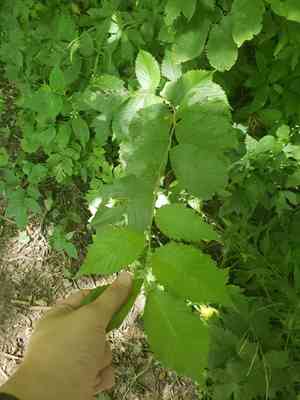
A deciduous tree recognized for its inner bark utilized in botanical treatments, slippery elm thrives with judicious trimming to eliminate deceased or ailing branches, foster a robust framework, and improve air movement. Conduct pruning of slippery elm from late winter to early spring, prior to the emergence of new foliage. Reducing the density within the canopy and excising intersecting branches aids in averting harm and illness. Focus on narrow crotches and suckers for peak tree vitality and visual appeal. Such methods not only preserve slippery elm's beauty but also amplify its intrinsic therapeutic qualities by encouraging energetic development.
What Are the Benefits of Pruning Slippery Elm?
What Are the Benefits of Pruning Slippery Elm?
Trimming slippery elm encourages robust growth and helps maintain its desired form. Strategic cuts promote new, healthy branches and leaves, improving the plant's overall structure and function.
What Is the Best Time for Pruning Slippery Elm?
What Is the Best Time for Pruning Slippery Elm?
Late winter to early spring is the optimal period to prune slippery elm because the plant remains dormant, reducing the risk of disease transmission and sap loss common in active growth. Pruning before spring's growth spurt allows for vigorous regrowth and wound healing once the season begins. This timing also prevents the removal of developing flowers or fruits, as slippery elm blooms and fruits on new wood. Additionally, the absence of leaves makes the plant's structure clearer, enabling more precise pruning.
What Tools Do I Need to Prune Slippery Elm?
Hand Pruners
Essential for making clean cuts on smaller branches and twigs of slippery elm. Suitable for branches up to 3/4 inch thick, allowing for precise control, vital for the tree’s health and shape.
Loppers
These are ideal for cutting branches too thick for hand pruners but not thick enough for a saw. Given the size of slippery elm, loppers can handle branches up to 1 1/2 inches in diameter, providing the necessary leverage for thicker cuts.
Pruning Saw
For larger branches of slippery elm beyond lopper capacity, a pruning saw is necessary. A curved blade saw is recommended for its effectiveness on branches up to 5 inches in diameter. This tool is crucial for removing larger limbs that may be dead, diseased, or structurally unsound.
Pole Pruner
This tool extends the gardener's reach to prune higher branches without ladders, maximizing safety. Given slippery elm's potential height, a pole pruner is especially useful for maintaining the upper canopy of younger or medium-sized trees.
Hedge Shears
While not typically used for tree pruning, hedge shears can be useful for shaping the outermost foliage of slippery elm if grown as a hedge. This allows for even, uniform cuts along the hedge line.
Chainsaw
Only to be used for the largest branches or for complete tree removal if slippery elm is too large or diseased for safe maintenance. This powerful tool should only be operated by trained individuals.
How to Prune Slippery Elm
Clean
Before pruning slippery elm, ensure all pruning tools are clean and sharp to prevent disease spread and make clean cuts that heal faster. Sterilize tools with a solution of one part bleach to nine parts water or use isopropyl alcohol between cuts, especially when cutting diseased limbs.
Cut Dead Wood
Remove any dead wood from slippery elm by cutting at the base of the dead branch, close to the trunk or main limb. Make the cut just outside the branch collar without damaging it, as this area contains cells that will help close the wound.
Remove Diseased Limbs
Identify and remove diseased limbs from slippery elm. Cut the limb at least several inches below the diseased area to prevent infection spread. If removing a large portion of the limb, use the three-cut method to prevent bark tearing: make a notch on the underside of the limb away from the trunk, then cut through the limb above the notch, and finally, cut the stub just outside the branch collar.
Trim Broken Branches
Trim broken branches on slippery elm back to undamaged wood, just above a lateral branch or bud that faces the outside of the plant to encourage outward growth.
Shape
After removing dead, diseased, and broken wood from slippery elm, assess the tree's overall shape and structure. Thin out branches if necessary to improve air circulation and light penetration, taking care not to remove more than one-third of live foliage in a single season.
Common Pruning Mistakes with Slippery Elm
Over Pruning
Removing too much foliage from slippery elm can stress the tree and lead to a weak structure. It also exposes the tree to diseases and pests.
Improper Cut Location
Cutting too close to the trunk can damage the branch collar, leading to poor healing. Conversely, leaving too long a stub can also prevent proper healing and lead to disease.
Tearing Bark
During the removal of larger branches, if proper undercutting techniques are not employed, the weight of the branch can tear the bark and create a wound susceptible to infection.
Flush Cutting
Making flush cuts against the trunk can remove the branch collar, increasing the risk of decay pathogens entering the wound.
Pruning In Damp Conditions
Performing pruning when slippery elm is wet can facilitate the spread of disease, as pathogens thrive in moist environments and can easily be transferred from tool to plant.
Common Pruning Tips for Slippery Elm
Clean Tools
Ensure all pruning tools are sterilized before use to prevent the spread of disease to slippery elm.
Three Cut Method
For removing larger limbs, use the three-cut method to avoid tearing bark: make the initial cut on the underside of the limb a few inches away from the trunk, followed by a second cut from the top down to remove most of the limb's weight, and the final cut just outside the branch collar to cleanly remove the stub without damaging the trunk.
Selective Pruning
Prune selectively, focusing on removing only dead, diseased, or crossing branches to maintain slippery elm's natural shape and promote air circulation.
Gradual Reduction
If size reduction is necessary, gradually reduce the size of slippery elm over several seasons rather than cutting back drastically all at once.
Healing Promotion
Make clean cuts that are angled downwards, away from the branch to be retained, to promote effective healing and water runoff from the wound.



