How to Prune Chinese elm?
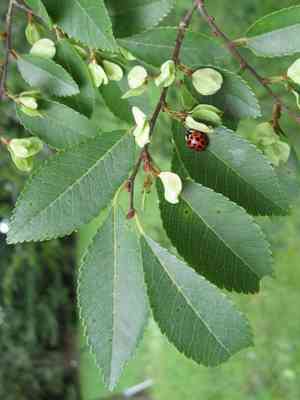
This shedding tree, recognized for its flaking bark and elegant leaves, flourishes when adequately tended. For chinese elm, the primary trimming should take place in late winter or early spring prior to foliage emergence. Routine upkeep involves excising deceased or intersecting limbs to foster a robust framework. Reducing the density of the crown improves light access and air movement, which are crucial for the plant's well-being. Refrain from excessive pruning, as chinese elm reacts with rapid development, potentially resulting in poorly anchored branches.
What Are the Benefits of Pruning Chinese Elm?
What Are the Benefits of Pruning Chinese Elm?
Trimming chinese elm promotes robust, resilient development and maintains its desired shape. Strategic cuts can revitalize the tree, enhance light penetration and air circulation, thereby fostering a strong structure and aesthetic appeal.
What Is the Best Time for Pruning Chinese Elm?
What Is the Best Time for Pruning Chinese Elm?
These periods are ideal because chinese elm has typically finished its dormant phase, but has not yet started its rapid growth stage in spring. Pruning at this time minimizes stress on chinese elm, allowing the plant to recover and grow effectively. Furthermore, the absence of leaves during this interval offers better visibility of chinese elm's structure, enabling more precise cuts and the removal of any damaged or diseased branches. This timing also prevents cutting off new growth, which can happen if pruning is done too late in the spring or summer. Pruning before the onset of warm weather reduces the risk of fungal infections, which chinese elm can be susceptible to when wounds are exposed during wet, warm conditions.
What Tools Do I Need to Prune Chinese Elm?
Hand Pruners
Perfect for trimming small branches on chinese elm, typically those under 3/4 inch in diameter. They provide accuracy for shaping the tree and managing its development.
Loppers
Suitable for addressing slightly larger branches, usually up to 1 1/2 inches in diameter. The extended handles offer leverage to make clean cuts without harming chinese elm.
Pruning Saw
Essential for removing branches over 1 1/2 inches thick. A pruning saw enables cutting through larger limbs that hand pruners and loppers cannot manage.
Pole Pruner
Useful for reaching elevated branches without needing a ladder, ensuring safety when pruning chinese elm. It can cut through branches typically up to 1 inch in diameter.
Hedge Shears
Effective for shaping and controlling the dense foliage of chinese elm, especially for creating a formal hedge. They allow for even, straight cuts across multiple small branches.
Pruning Gloves
Offers hand protection from scratches and sap when pruning chinese elm, enhancing safety and comfort during the task.
Sharpening Tool
Maintains the cutting effectiveness of pruning tools, ensuring clean cuts that promote faster healing of the wounds on chinese elm.
How to Prune Chinese Elm
Step1: Inspect Plant for Pruning Areas
Carefully examine chinese elm to identify all sections requiring pruning, such as dead wood, suckers, water sprouts, and discolored leaves. Ensure all tools are clean and sharp to prevent plant damage.
Step2: Trim Dead Wood at Healthy Tissue
Begin by removing any dead wood. Cut dead branches back to the point where healthy, green tissue is present. Make cuts at a 45-degree angle, approximately 1/4 inch above a living bud or branching point to encourage healthy growth.
Step3: Cut Back Suckers at Base or Roots
Prune suckers, which are shoots emerging from the base of chinese elm or its root system. Suckers can deplete the main tree's energy. Trim these close to their origin, being careful not to harm the main trunk or root system.
Step4: Remove Vertical Water Sprouts Flush
Identify and eliminate water sprouts, which are vigorous vertical shoots growing along branches and the trunk. These can be removed by cutting them flush with the branch they originate from, leaving no stubs.
Step5: Snip Discolored Leaves at Base
Carefully remove all discolored leaves that may indicate disease or pest issues. Snip them off close to the base, taking care to prevent the spread of any potential disease to healthy parts of the plant.
Step6: Shape Canopy and Clear Crossed Branches
Once all specified parts are removed, step back to assess the overall shape of chinese elm. If further shaping is needed, selectively prune to maintain the natural umbrella-like canopy characteristic of chinese elm, removing branches that cross or rub against each other.
Step7: Clean Debris and Discard Diseased Material
After pruning, clear all debris from around chinese elm to prevent the spread of pests or diseases. Compost healthy trimmings, but dispose of any diseased material.
Step8: Water and Fertilize after Pruning
Finally, thoroughly water chinese elm after pruning to help reduce stress and promote recovery. If possible, apply a balanced fertilizer to support new growth.
Post-Pruning Care for Chinese Elm
Post-Pruning Care for Chinese Elm
Immediately after pruning chinese elm, clear any debris from the area to prevent disease. Adjust environmental conditions by providing partial shade and maintaining ambient humidity to reduce stress. Increase watering slightly to support the healing process but avoid waterlogging. Apply a balanced, slow-release fertilizer to aid in recovery, avoiding excessive nitrogen which can stimulate vulnerable new growth. Regularly inspect pruned sites for unusual signs such as discoloration or oozing, indicative of infection or pests, and if detected, treat promptly with an appropriate fungicide or insecticide.
Common Pruning Mistakes with Chinese Elm
Excessive Pruning
Trimming too much at once, which can stress chinese elm and make it susceptible to disease and pests.
Dull or Dirty Tools
Utilizing dull or unclean pruning tools, potentially leading to jagged cuts and introducing pathogens to chinese elm.
Damaging Bark When Cutting
Tearing or stripping the bark when cutting larger branches, which can harm chinese elm's underlying tissues and delay healing.
Ignoring Dead or Diseased Wood
Failing to remove dead or diseased wood, which can impede chinese elm's growth and overall health.
Improper Understanding of Branch Structure
Not identifying chinese elm's specific branch structure before cutting, which can result in a misshapen canopy or poor branch architecture.
Common Pruning Tips for Chinese Elm
Use Sharp, Clean Tools
Employ sharp, clean pruning tools for precise cuts that will heal quickly, preventing unnecessary stress to chinese elm.
Correct Angle and Position of Cuts
Make cuts just above a bud or branch junction at a 45-degree angle, allowing water to drain and reducing the chance of disease.
Maintain Natural Form
Follow the natural shape of chinese elm, selectively removing branches to maintain its form and promote good airflow within the canopy.
Perform Thinning Cuts
Practice thinning cuts to remove entire branches or limbs back to their point of origin to keep chinese elm from becoming too dense.
Three-Cut Method for Large Limbs
When cutting back larger limbs, use the three-cut method to avoid bark tearing: an undercut first, a top cut second, and a final cut at the branch collar.
Remove Suckers and Water Sprouts
Remove any suckers or water sprouts that appear at the base or along the trunk, as these can detract from chinese elm's form and divert energy from healthy growth.



