How to Prune European white elm?
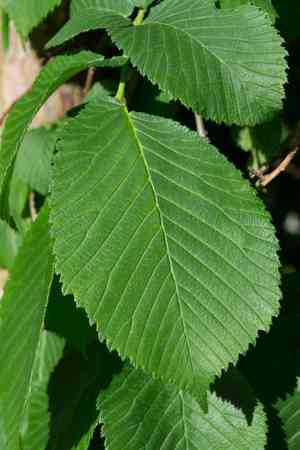
The European white elm, a deciduous tree recognized for its shimmering leaves and resilience against Dutch elm disease, necessitates regular trimming to ensure its well-being and proper form. Employ thinning cuts to eliminate deceased, ailing, or intersecting branches, thereby enhancing air movement and light exposure. The most suitable period for pruning is late winter to early spring, while the tree is dormant and before sap begins to circulate, which reduces stress and the likelihood of disease. Advantages of pruning encompass preserving a robust structure and averting potential harm from limb fractures.
Advantages of Trimming European White Elm
Advantages of Trimming European White Elm
Trimming european white elm promotes vigorous development and maintains its desired shape. Regular pruning aids in resource distribution for a stronger framework, boosting resilience and minimizing excessive size for a refined landscape presence.
Optimal Period for Pruning European White Elm
Optimal Period for Pruning European White Elm
Pruning european white elm in late winter or early spring is advisable due to its dormant state, which minimizes sap loss and stress. This timing allows for wound recovery to begin before the growing season. It also helps reduce the risk of Elm disease transmission, as vectors are less active. Pruning at this time enables gardeners to easily identify and remove any dead, diseased, or damaged wood, as the absence of leaves provides better visibility. This pruning schedule aligns with european white elm's natural growth cycle and prepares it for robust growth in spring.
Essential Tools for Pruning European White Elm
Hand Pruners
Perfect for making clean cuts on small branches and twigs of european white elm, hand pruners are vital for severing branches up to approximately 3/4-inch thick. They ensure a precise cut that encourages faster healing.
Loppers
Designed for cutting larger branches up to 1 1/2 inches in diameter, loppers provide the necessary leverage to prune branches of european white elm that hand pruners cannot manage. They offer both reach and power, crucial for controlling the tree's development.
Pruning Saw
For branches thicker than what loppers can handle, a pruning saw is indispensable. It can cut branches exceeding 1 1/2 inches in diameter, likely needed for older or larger specimens of european white elm.
Pole Pruner
When the canopy of european white elm is tall, pole pruners are essential. They enable the cutting of high branches without the need for a ladder, allowing for safe pruning from the ground.
Hedge Shears
European white elm may occasionally require shaping for hedging purposes. Hedge shears are useful for trimming and shaping the foliage on the outer parts of the plant to maintain a tidy appearance.
How to Prune European White Elm
Choose Tools
Select appropriate tools such as pruning shears, loppers, or a pruning saw depending on the thickness of the branches of european white elm to be trimmed.
Inspect
Thoroughly examine european white elm to identify all dead and diseased branches that need removal.
Sanitize
Clean pruning tools with a disinfectant before and after trimming each individual branch to prevent the spread of disease in european white elm.
Remove Dead Branches
Carefully remove dead branches by cutting just outside the branch collar to promote proper healing on european white elm.
Remove Diseased Branches
Prune away diseased branches by making clean cuts well below the affected areas to ensure all diseased tissue is removed from european white elm.
Common Pruning Errors with European White Elm
Excessive Pruning
Removing too much foliage or too many branches from european white elm can lead to stunted growth or a weakened structure. It is crucial to limit pruning to no more than 25-30% of the total canopy in a single season.
Flush Cutting
Cutting branches flush against the trunk can remove the branch collar, creating a larger wound and increasing the risk of disease and decay for european white elm.
Torn Bark
Improper cutting techniques can result in torn bark, which can lead to wounds susceptible to disease and pests. Clean cuts are important for the health of european white elm.
Incorrect Cutting Angle
Cuts at improper angles may not heal correctly and can encourage water pooling, leading to rot. Each cut should be angled away from the bud to allow water runoff and promote proper healing for european white elm.
Tool Hygiene
Using dirty or contaminated tools can spread diseases to european white elm. It is critical to disinfect tools before moving from one tree to another.
General Pruning Advice for European White Elm
Sharp Tools
Always use sharp and clean pruning tools to make precise cuts, which will help european white elm recover more quickly and reduce the risk of disease.
Strategic Cuts
Remove limbs that are damaged, diseased, or crossing over others to improve air circulation and light penetration through the canopy, which benefits the overall health of european white elm.
Prune For Architecture
Focus pruning to maintain the natural form of european white elm while enhancing its structural integrity to prevent damage from wind and weather.
Healing Consideration
Make cuts just above a bud, lateral branch, or main trunk to encourage proper wound healing and direct new growth outward or away from the center of european white elm.
Balance Reduction
Gradually thin the crown if reduction is necessary, rather than cutting back dramatically at once. This encourages a more stable growth pattern and reduces stress for european white elm.



