How to Prune Winged elm?
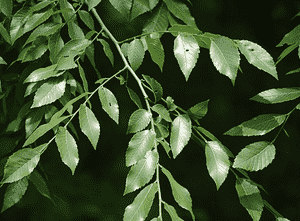
Recognized for its distinctive 'winged' boughs, winged elm is a resilient variety that needs very little regular trimming. Essential methods include excising deceased, injured, or intersecting branches to preserve the plant's well-being and framework. Performing pruning in late winter or early spring, prior to the emergence of new foliage, is optimal. This schedule enables winged elm to recover swiftly, diminishing the likelihood of illness. Trimming also encourages development, refines its shape, and can avert potential dangers from fragile limbs. Particular attention should be paid to sanitizing implements to preclude the spread of pathogens.
What Are the Benefits of Pruning Winged Elm?
What Are the Benefits of Pruning Winged Elm?
Trimming winged elm encourages robust development and maintains its desired form. Strategic cutting back eliminates crowded branches, improving air circulation and sunlight exposure, crucial for strong health. Controlled size prevents excessive growth, ensuring winged elm fits appropriately in its designated area.
What Is the Best Time for Pruning Winged Elm?
What Is the Best Time for Pruning Winged Elm?
Late winter and early spring are considered optimal times for pruning winged elm because the tree is typically inactive during these periods. Pruning prior to the spring growth surge allows winged elm to recover from cuts before entering its active growth phase. This minimizes stress and reduces the likelihood of pest or disease infection, as these are less active in colder weather. This timing also prevents the removal of spring flowers since winged elm blooms on new wood. Furthermore, without leaves, the branch structure is more visible, simplifying the identification and removal of damaged or diseased branches. Pruning in late winter or early spring helps maintain the tree's health and promotes vigorous growth in the upcoming season.
What Tools Do I Need to Prune Winged Elm?
Hand pruners
Perfect for making clean cuts on small branches and twigs of winged elm, causing minimal harm to plant tissues.
Loppers
Most suitable for cutting thicker branches of winged elm that hand pruners cannot manage, offering good leverage and control.
Pruning saw
Useful for removing larger limbs of winged elm that loppers cannot cut through, allowing for precise and clean cuts on branches exceeding 1.5 inches in diameter.
Pole pruner
Enables safe pruning of higher branches of winged elm from the ground, reducing the need for climbing.
Hedge shears
Generally not needed unless shaping hedges or creating formal designs with the foliage of winged elm.
Safety gear
Crucial for protecting the gardener from potential injury while pruning winged elm, including gloves, eye protection, and durable clothing.
How to Prune Winged Elm
Sterilize
Before beginning, ensure all pruning tools are disinfected to prevent disease transmission. Clean cuts help winged elm heal quickly and effectively.
Identify
Examine winged elm and pinpoint dead wood, diseased limbs, and damaged branches that need removal. Look for changes in bark texture, color, or branches lacking leaves and flexibility.
Cut
For dead wood and damaged branches, use sharp pruning shears or a saw to make clean cuts. Cut just outside the branch collar to encourage proper healing and avoid cutting into healthy tissue unnecessarily.
Disinfect
After each cut, sanitize the pruning tools. This is especially important when moving from diseased limbs to healthy ones to prevent the spread of pathogens on winged elm.
Shaping
Ensure that the remaining structure of winged elm is balanced and open to light. Pruning should preserve the tree's natural shape and should not remove more than 25% of the canopy at once to prevent stress.
Common Pruning Mistakes with Winged Elm
Over-Pruning
Removing too much foliage at once can stress winged elm and potentially lead to disease or decline. It's crucial not to remove more than about 25-30% of the crown in a single session.
Topping
Cutting off the top of winged elm to reduce its height is a detrimental practice that can result in weak regrowth and increased vulnerability to pests and diseases.
Improper Cuts
Making cuts that are too close to the trunk or leaving stubs can impede winged elm's natural healing process and lead to decay.
Excessive Cleaning
Removing too many interior branches, often referred to as 'lion's tailing', can cause winged elm to become top-heavy, increasing the risk of branch failure.
Neglecting Tools
Using dull or unsanitized pruning equipment can cause unnecessary harm to winged elm and spread disease.
Common Pruning Tips for Winged Elm
Selective Pruning
Focus on removing only the essential branches, such as those that are damaged, dead, or rubbing against each other, to encourage healthy growth of winged elm.
Collar Cuts
Prune branches just outside the branch collar to promote faster wound healing without harming the trunk of winged elm.
Thinning
Thin out branches to improve air circulation and light penetration throughout the canopy of winged elm, which can foster better health and reduce disease incidence.
Shaping
Carefully shape winged elm by targeting specific branches to maintain its natural form rather than shearing or shaping into an unnatural form.
Sterilizing Tools
Clean and sterilize pruning tools before and after use to prevent the spread of disease to or from winged elm.
Sequential Pruning
Distribute major pruning work over several seasons if extensive pruning is required, to avoid shocking winged elm and to allow it to recover gradually.



