How to Prune Eastern bulrush?
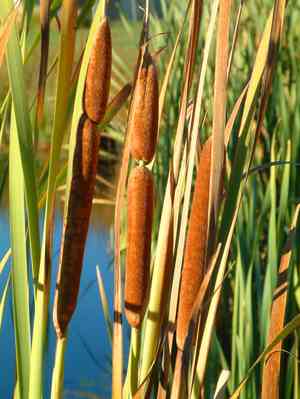
The eastern bulrush, a towering wetland perennial, is distinguished by its thick, reed-like form. For optimal pruning, remove any deceased or aged foliage down to the soil surface in late spring or early summer, coinciding with its period of vigorous development. This timely trimming stimulates fresh sprouts, inhibits self-propagation, and sustains the plant's well-being. Cultivators gain from less plant litter and regulated expansion, which is crucial in cultivated environments. Bundles of severed stems can additionally offer refuge for local fauna.
What Are the Benefits of Pruning Eastern Bulrush?
What Are the Benefits of Pruning Eastern Bulrush?
Trimming eastern bulrush promotes more vigorous development, encouraging new shoots and robust growth. It also aids in maintaining its form, contributing to a more attractive appearance in garden settings.
What Is the Best Time for Pruning Eastern Bulrush?
What Is the Best Time for Pruning Eastern Bulrush?
The ideal trimming periods for eastern bulrush coincide with its active growth phase. Late Spring allows for the removal of any winter damage before the plant enters its rapid growth stage. Early Summer pruning ensures the plant has ample time to recuperate before colder months, without disrupting its natural flowering cycle, which typically occurs in mid to late summer. Pruning at this time fosters healthy growth and preserves the plant's desired shape. It also prevents excessive self-seeding, which can happen if pruning is postponed until after the flowering period. These seasons also align with when the plant has sufficient resources to heal from pruning cuts, minimizing the risk of stress and disease.
What Tools Do I Need to Prune Eastern Bulrush?
Heavy-duty Gardening Gloves
Protection is essential when handling eastern bulrush due to its potentially irritating sap and sharp leaf edges. Robust gloves will shield hands during trimming.
Long-Handled Loppers
Given the height and sturdy stems of eastern bulrush, long-handled loppers will provide the necessary leverage and reach for clean cuts without uncomfortable bending.
Hand Pruners
For thinner stems and precise work at the base or for removing smaller offshoots of eastern bulrush, hand pruners offer the required control and ease of use.
Serrated Garden Knife
A serrated garden knife is effective for cutting through the more robust and fibrous stems of eastern bulrush when other pruners may not be sufficient.
Safety Glasses
When cutting back eastern bulrush, plant fragments can become airborne. Safety glasses help shield the eyes from any debris.
How to Prune Eastern Bulrush
Cleaning
Prepare trimming tools like sharp scissors or shears. Clean and sanitize them to prevent the spread of diseases to eastern bulrush.
Identify
Inspect eastern bulrush for diseased, withered, or dying leaves and stems. Look for any discoloration, spots, or signs of decay.
Cut Leaves
Use the scissors or shears to carefully snip off diseased and withered leaves at their base where they meet the stem. Avoid tearing or ripping leaves to prevent unnecessary harm to eastern bulrush.
Cut Stems
Trim diseased stems at their base where they emerge from the roots or just above the last healthy node, making a clean angled cut to encourage water runoff and prevent rot.
Disposal
Gather and discard all removed leaves and stems away from healthy plants to minimize the risk of disease transmission. Do not compost diseased material.
Common Pruning Mistakes with Eastern Bulrush
Overpruning
It is a mistake to remove too much foliage at once, which can stress eastern bulrush. Removing more than one-third of the plant can hinder its ability to photosynthesize and store energy for growth.
Improper cut location
Making cuts too close to the base or too far from the node can lead to poor regrowth and potential infection. Pruning should be done just above the node where new shoots can emerge.
Using dull tools
Dull or unclean trimming tools can damage eastern bulrush stalks and spread disease. Properly sharpened and sanitized tools make clean cuts and help prevent infection.
Neglecting deadheading
Failing to remove spent flowers can prevent eastern bulrush from producing new blooms and can lead to unnecessary seed dispersal, potentially making control of the plant more difficult.
Pruning active growth
Cutting actively growing shoots or the central spike of eastern bulrush can impede the development and aesthetic form of the plant, as this part of the plant is crucial for its vertical growth and characteristic appearance.
Common Pruning Tips for Eastern Bulrush
Hydration
Ensure eastern bulrush is well-hydrated before trimming. Well-watered plants recover better from the stress of pruning and are less likely to incur damage during the process.
Tool selection
Choose the correct tools for pruning eastern bulrush, typically sharp shears, scissors, or possibly a saw for thicker stalks, ensuring they are suitable for the thickness of the material being cut.
Clean cuts
Make clean, angled cuts that allow water to drain, which helps prevent rot or disease at the cut site, promoting healthier regrowth.
Targeted pruning
Focus on removing only dead or damaged material and spent blooms to encourage more flowering and maintain the health and shape of eastern bulrush.
Aesthetic shaping
Gradually shape eastern bulrush to maintain a natural look, avoiding over-pruning in one session which can lead to a less aesthetically pleasing and unhealthy plant.
Debris removal
After pruning, remove all cuttings and debris from around eastern bulrush to prevent the growth of mold or fungi, and to discourage pests from nesting in the plant debris.



