How to Prune Graceful cattail?
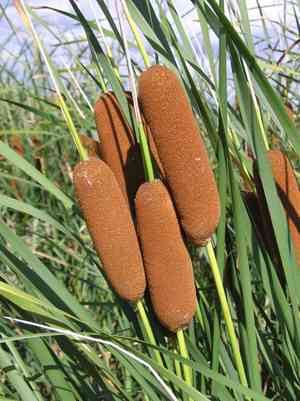
A unique aquatic perennial, recognized for its narrow, reed-like leaves and cylindrical brown flower heads, the elegant cattail flourishes close to water sources. Trim away deceased or aged leaves in spring to stimulate fresh development. During summer, remove faded flower spikes to preserve visual appeal and inhibit self-propagation. Trimming boosts plant health and manages expansion. Execute these actions with sanitized, sharp implements to avert the spread of pathogens.
What Are the Benefits of Pruning Graceful Cattail?
What Are the Benefits of Pruning Graceful Cattail?
Trimming graceful cattail promotes robust development and helps maintain its form, ensuring a neat look while boosting the plant's overall vitality.
What Is the Best Time for Pruning Graceful Cattail?
What Is the Best Time for Pruning Graceful Cattail?
Trimming or cutting graceful cattail during late spring or early summer aligns with the period before its rapid growth phase. In late spring, removing damaged or dead sections of graceful cattail can encourage healthier and stronger growth, as the plant is emerging from its dormant winter state. Pruning at this time helps prevent shocking the plant, which might occur if done during its peak growing season. Early summer pruning is also beneficial as it allows gardeners to thin out dense areas to improve air circulation and light penetration, leading to a healthier plant. Additionally, performing maintenance before the plant flowers ensures that energy is directed towards new growth rather than seed production. By adhering to these seasons, gardeners can help prevent potential diseases and pests commonly associated with the wetter and warmer conditions of later summer months.
What Tools Do I Need to Prune Graceful Cattail?
Long-Handled Loppers
Long-handled loppers are recommended for their ability to reach tall stems without causing back strain. Graceful cattail can form dense clusters with relatively thick stalks. Loppers with extended handles provide leverage and reach for clean cuts without harming the plant's central structure.
Heavy-Duty Pruning Shears
Graceful cattail has thinner stems in its younger stages, and heavy-duty pruning shears offer the necessary control and precision for making selective cuts without causing undue damage to the plant's younger parts.
Handheld Pruning Saws
Handheld pruning saws are highly effective for cutting through the thicker, woody sections of graceful cattail near the base if complete removal of certain parts becomes necessary. They enable more substantial cuts that shears or loppers might not handle.
How to Prune Graceful Cattail
Identify
Examine graceful cattail for any diseased foliage, withered leaves, and unhealthy stems to determine which sections require trimming.
Sanitize
Before beginning the pruning process, clean and disinfect cutting tools to prevent the spread of diseases to healthy parts of graceful cattail.
Cut diseased leaves
Remove diseased and withered leaves by cutting them at the base where the leaf emerges from the stem or rhizome. Make clean cuts to avoid damaging graceful cattail.
Cut diseased stems
Cut diseased stems down to ground level or to the point where healthy tissue begins. Avoid leaving stubs, which could attract pests and disease to graceful cattail.
Dispose
Discard all removed diseased and withered parts away from healthy graceful cattail plants to prevent disease transmission.
Common Pruning Mistakes with Graceful Cattail
Overpruning
Removing too much foliage at once can stress graceful cattail, leading to stunted growth or increased susceptibility to diseases.
Imprecise cuts
Making jagged or torn cuts can injure graceful cattail's stems, potentially inviting infection and hindering the plant's natural healing process.
Pruning live flower spikes
Cutting back the live, distinctive flower spikes of graceful cattail not only diminishes its aesthetic appeal but can also reduce its reproductive capacity.
Disregarding plant structure
Failing to consider graceful cattail's natural shape and growth pattern can result in an unnatural appearance and reduced vitality.
Using unclean tools
Pruning graceful cattail with dirty or contaminated tools can introduce pathogens, leading to disease spread within the plant.
Common Pruning Tips for Graceful Cattail
Sharp tools
Use sharp, clean pruning shears to make precise cuts that will heal quickly, reducing stress and infection risks for graceful cattail.
Selective thinning
Selectively thin out old or overcrowded stems of graceful cattail to improve air circulation and light penetration, which is crucial for healthy growth.
Maintenance pruning
Regularly remove dead or yellowing leaves and old flower heads from graceful cattail to encourage new growth and maintain the plant's appearance.
Height reduction
If necessary, reduce the height of graceful cattail by cutting the stems back to a node or a set of leaves, promoting denser growth without compromising the plant's health.
Habit consideration
Prune graceful cattail in a way that maintains its natural, upright habit, focusing on removing only the necessary parts to sustain or enhance its form and vigor.



