How to Prune Broadleaf cattail?
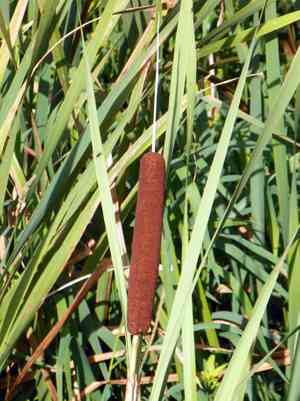
This enduring aquatic vegetation flourishes in marshy areas, featuring elevated, thin stalks and characteristic cylindrical brown inflorescences. For Typha latifolia, trimming entails severing deceased or aged leaves at their base in early spring, prior to the emergence of new shoots, to sustain the plant's vigor and curb uncontrolled proliferation. Trimming in late summer can regulate its dimensions and foster a neat aesthetic. Eliminating spent flower spikes might also stimulate more vigorous development. Effective trimming guarantees a controlled growth pattern and diminishes detritus in the adjacent water.
Why Prune Broadleaf Cattail?
Why Prune Broadleaf Cattail?
Trimming broadleaf cattail promotes robust development by removing dead or overgrown sections, improving air circulation and light exposure. It also helps maintain its desired form, preventing congestion and enhancing its aesthetic appeal in the landscape.
Optimal Pruning Period for Broadleaf Cattail
Optimal Pruning Period for Broadleaf Cattail
Pruning in early spring is ideal as broadleaf cattail enters a strong growth phase post-winter dormancy, enabling rapid recovery and new growth. Trimming in late summer coincides with the end of broadleaf cattail's active growth, reducing plant stress and helping maintain its shape and health before autumn. Pruning during these times minimizes impact on flowering and seed production, preserving the plant's natural cycle and ecological benefits.
Essential Tools for Pruning Broadleaf Cattail
Heavy-Duty Garden Shears
Given the thick and sturdy nature of broadleaf cattail's stems, heavy-duty garden shears are crucial for cutting through the plant material efficiently without damaging the tool.
Long-Handled Loppers
Broadleaf cattail often grows in dense clusters in wet areas, which can be difficult to access. Long-handled loppers will provide the necessary reach and leverage to prune thicker stems that garden shears might not handle.
Waterproof Gloves
Since broadleaf cattail thrives in moist environments, waterproof gloves are recommended to keep hands dry and protected from wet and potentially muddy conditions.
Protective Clothing
To shield skin from potential irritation when pruning broadleaf cattail, wearing protective attire such as a long-sleeved shirt and pants is advisable.
Rubber Boots
Considering broadleaf cattail's typical wetland habitat, rubber boots are essential to keep feet dry and offer stability and grip in muddy, aquatic settings during the pruning process.
How to Prune Broadleaf Cattail
Step1: Prepare and Sanitize Tools
Gather the necessary tools for pruning broadleaf cattail, including sharp pruning shears, long-handled loppers, and garden gloves. Sanitize the tools with a 1:9 bleach-to-water solution to prevent disease transmission.
Step2: Identify Dead Stalks for Removal
Locate the dead stalks of broadleaf cattail that require pruning. These are typically brown and dry, unlike the green, living stalks. Pruning should occur in late fall or early winter when the plant is dormant.
Step3: Cut Dead Stalks at the Base
Using pruning shears, cut the dead stalks of broadleaf cattail at their base, near the water level or soil line. Be careful not to harm new, green growth.
Step4: Dispose of Trimmed Stalks
Remove trimmed dead stalks from the area to prevent fungal growth or pest infestation that could occur if left to decompose on site.
Step5: Timing for Trimming Overgrown Rhizomes
To manage overgrown rhizomes of broadleaf cattail, which can be aggressive and invasive, the best time for trimming is in the spring before new growth begins.
Step6: Expose Rhizomes for Trimming
Carefully dig around the base of broadleaf cattail to expose the rhizomes, which are the horizontal underground stems from which the stalks grow.
Step7: Cut Overgrown Rhizomes
Using sharp loppers or a saw, cut the overgrown rhizomes of broadleaf cattail, ensuring that at least one-third of the rhizome remains intact to avoid harming the plant's health.
Step8: Replant or Dispose of Rhizome Segments
After cutting the overgrown rhizomes, replant or discard the removed segments. If replanting, ensure each segment has at least one viable growth point.
Step9: Clean Up Pruning Debris
Tidy the area by removing all cuttings and debris. This will prevent rot and any potential disease from affecting broadleaf cattail.
Step10: Post-Pruning Watering
Water the base of broadleaf cattail moderately, if the environment is not naturally wet, to aid recovery after pruning the rhizomes.
Post-Pruning Care for Broadleaf Cattail
Post-Pruning Care for Broadleaf Cattail
Immediately after pruning broadleaf cattail, ensure the environment is damp with high humidity to support recovery. Provide filtered sunlight; avoid intense direct light as broadleaf cattail acclimates. Adjust temperatures to mimic broadleaf cattail's natural habitat, cool to moderate preferred. Post-pruning, apply a balanced fertilizer to encourage growth but avoid excessive fertilization which can stress broadleaf cattail. Monitor cuts for unusual discoloration or foul odor indicating infection and treat promptly with fungicide or bactericide. Watch for wilting or yellowing leaves as signs of stress.
Common Pruning Errors with Broadleaf Cattail
Excessive Pruning Harms Plants
Pruning broadleaf cattail too aggressively can severely damage the plant. Removing too much foliage or cutting into the root zone can stress the plant and impede its ability to flourish.
Unpruned Flower Stalks Lead to Overgrowth
Failing to remove spent flower stalks on broadleaf cattail can result in self-seeding and potential overgrowth, which may not be desired in a controlled garden setting.
Dull and Dirty Tools Cause Plant Infection
Using dull or dirty pruning tools on broadleaf cattail can create jagged cuts that are more susceptible to infection, and can spread disease between plants.
General Pruning Advice for Broadleaf Cattail
Use Sharp, Sterilized Shears for Clean Cuts
Employ sharp and sterilized pruning shears to make clean cuts through broadleaf cattail's stalks to prevent any potential disease infection and to promote faster healing of the cuts.
Prune Spent Stalks to Control Self-Seeding
Prune the spent flower stalks of broadleaf cattail to maintain a neat appearance and to prevent unwanted spreading through self-seeding. However, if supporting wildlife is a goal, consider leaving some stalks, as they provide food and habitat.
Thin Out Outer Shoots for Shape and Health
When thinning broadleaf cattail, focus on removing only the outermost shoots. This helps maintain the plant's natural shape and allows for air circulation, which can help prevent fungal diseases.



