How to Prune Mountain hemlock?
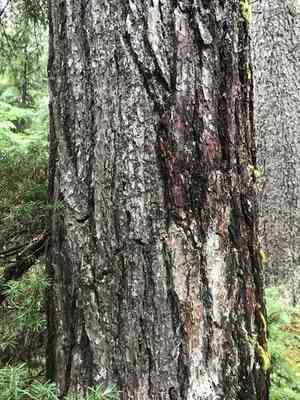
The mountain hemlock, a coniferous evergreen, flourishes in colder environments. Trimming is most effective in the dormant season to preserve its form and stimulate thicker growth. Begin by eliminating any deceased or compromised limbs, then reduce congested sections to improve light exposure and air movement. Cuts for pruning ought to be executed directly above branch collars, steering clear of flush cuts. This practice enhances general well-being and diminishes the likelihood of illness. Such methods assist this gradually developing tree in sustaining its inherent structure and vitality.
What Are the Benefits of Pruning Mountain Hemlock?
What Are the Benefits of Pruning Mountain Hemlock?
Trimming mountain hemlock fosters vigorous development and preserves its desired shape. Consistent cutting helps this species direct energy into forming a robust, healthy framework, and maintain its visual appeal in a garden environment.
What Is the Best Time for Pruning Mountain Hemlock?
What Is the Best Time for Pruning Mountain Hemlock?
From late winter to early spring, mountain hemlock remains dormant, which minimizes stress and lowers the chance of disease entering through pruning wounds. Pruning prior to new growth allows the plant to allocate energy to recovery and the emergence of new shoots, leading to a healthier, well-structured plant. It ensures the tree's energy isn't wasted on branches destined for removal and that mountain hemlock's overall form can be better managed to support its growth in the upcoming season.
What Tools Do I Need to Prune Mountain Hemlock?
Hand Pruners
Perfect for cutting small branches and twigs of mountain hemlock up to 1 inch in diameter. Bypass pruners are recommended for clean cuts that encourage healthy regrowth.
Loppers
Ideal for severing branches between 1 and 2 inches thick. Their long handles offer leverage, simplifying the pruning of mountain hemlock without harming the plant.
Pruning Saw
Essential for cutting branches exceeding 2 inches in thickness. A curved blade pruning saw can be more effective for reaching into mountain hemlock's dense foliage and making precise cuts.
Pole Pruner
Useful for reaching elevated branches without needing a ladder. This tool combines a saw and a bypass cutting blade on an extendable pole for safe pruning of mountain hemlock.
Pruning Shears
For shaping and refining mountain hemlock's foliage, particularly for fine, small growth. These are valuable for detailed work and ensuring a neat appearance.
Gloves
Protects the gardener's hands from sap and sharp needles, ensuring a safer and more comfortable experience while pruning mountain hemlock.
How to Prune Mountain Hemlock
Cleaning Tools
Before pruning mountain hemlock, begin by cleaning and sanitizing your pruning tools to prevent disease spread. Use a solution of 1 part bleach to 9 parts water to wipe down the blades.
Identify Portion
Locate the dead and diseased branches on mountain hemlock that require trimming. Look for branches that are discolored, show unusual growth patterns, or display clear signs of damage and decay.
Cut Dead Branches
Using sharp pruning shears, make clean cuts to remove dead branches. Cut at a slight angle approximately 1/4 inch above a living branch or bud, being careful not to damage the collar or the remaining healthy wood.
Cut Diseased Branches
Carefully trim away diseased branches from mountain hemlock, cutting back to a healthy section of the branch. If the entire branch is affected, remove it at its origin, but avoid leaving a stub.
Dispose Trimmed Material
Properly dispose of the removed dead and diseased branches. Do not compost them, as this could allow diseases to spread. Seal them in a bag and discard them with household waste or through a designated plant material disposal service.
Common Pruning Mistakes with Mountain Hemlock
Overpruning
Removing too much foliage from mountain hemlock at once can severely compromise the plant's health. This frequent error can stress the plant, hindering its growth or even leading to its demise.
Improper Cut Location
Cutting too close to the trunk or parent branch when pruning mountain hemlock might damage the branch collar, leading to poor healing and potential disease entry.
Ragged Cuts
Leaving uneven edges on branches after a cut may prevent mountain hemlock from healing correctly, making it vulnerable to infections and pests.
Flush Cuts
Making cuts flush against the trunk can remove the branch collar, an area rich in healing and protective tissues, increasing the risk of disease for mountain hemlock.
Ignoring Dead Material
Failing to remove dead, diseased, or damaged material can impede healthy growth and may attract pests and diseases to affect mountain hemlock.
Wrong Tools
Using dull or unsuitable tools for pruning can harm the branches of mountain hemlock, leading to improper cuts and potential plant stress.
Neglecting Sanitization
Not sanitizing tools between cuts, especially when dealing with diseased material, can spread contaminants and disease to healthy parts of mountain hemlock.
Common Pruning Tips for Mountain Hemlock
Sharp Tools
Always use clean, sharp tools to make precise cuts on mountain hemlock, which aids in quick healing and minimizes disease risk.
Angle Cuts
Cut branches of mountain hemlock at a 45-degree angle, approximately 1/4 inch above an outward-facing bud, to promote water runoff and reduce disease risk.
Gradual Pruning
Prune mountain hemlock gradually over several seasons if extensive shaping or size reduction is needed, rather than all at once, to maintain the plant's health.
Natural Shape
Follow mountain hemlock's natural form when pruning and avoid excessive shaping, as this preserves the plant's structural integrity and aesthetic.
Dead Material Removal
Regularly remove dead, diseased, or damaged wood to improve air circulation and light penetration within mountain hemlock's canopy, promoting healthier growth.
Branch Collar Awareness
When removing larger branches from mountain hemlock, cut just outside the branch collar to encourage proper wound healing.
Correct Timing
Ensure that pruning is performed at an appropriate time for the plant's lifecycleâalthough explicit seasonal advice is not included here, timing remains a crucial consideration for mountain hemlock's health.
Post-Pruning Care
After pruning mountain hemlock, provide sufficient water and nutrients to support recovery and new growth.
Tool Sanitization
Sanitize tools before and after pruning mountain hemlock, especially when moving between different plants or after cutting through diseased material.



